[001][09.04.26]
Brazilian retailer Gondolo & Laboriau capitalised on a market upturn by leveraging community and creative salesmanship. Then, it all came crashing down.
Imagine you’re a Chicago insurance broker working in the world’s first skyscraper, reaping the economic whirlwind of American progress during the Gilded Age. You decide to buy a watch to celebrate your newfound success, but with the internet still some decades away, your only real source of information is from print advertising: bursting with European-sounding names you can’t really pronounce.
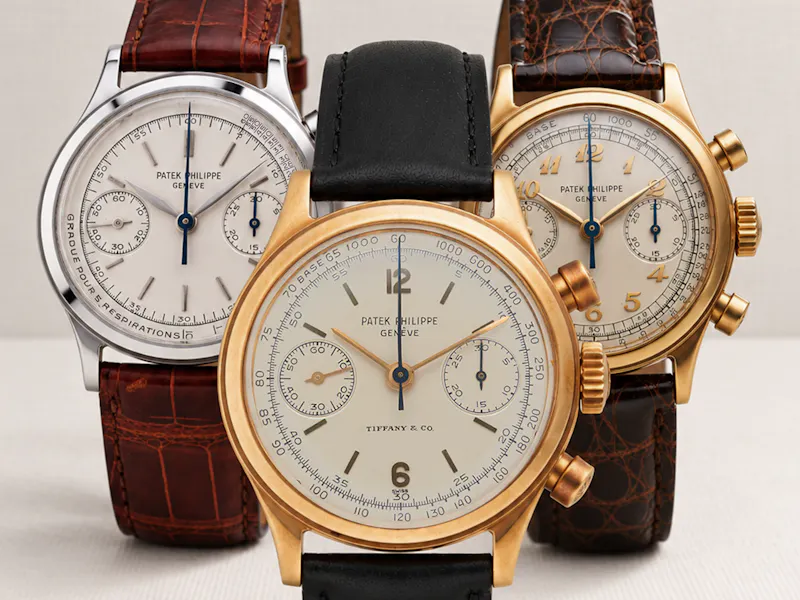
How do you know who to trust with your hard-earned cash? A quick scan of the Tiffany & Co. windows on your business trip to New York ought to do it: the esteemed Manhattan jeweller appears to be comfortable putting its stamp on this so-called “Patek Philippe”, so it must be worthy of consideration right?
The importance of retailer signatures was not just limited to North America. While Tiffany went about their business in the US, the South American market also underwent its own evolution during the early 20th century. The fashionable foil to their northern neighbours, the boom experienced by so many South American economies during this era saw focus shift from subsistence to global industry.
Resource exports like rubber and petroleum, and foodstuffs including coffee and sugar, brought a massive influx of wealth into the region; with the likes of Brazil, Cuba, and Venezuela (which eventually went on to become the fourth richest nation per capita in the ‘50s) each developing booming markets for luxury goods, including the ever-desirable tranche of mechanical watches. To capitalise on the growing upper class in their respective countries, Latin American retailers followed in the footsteps of their European and North American counterparts – selling watches co-branded with their names.
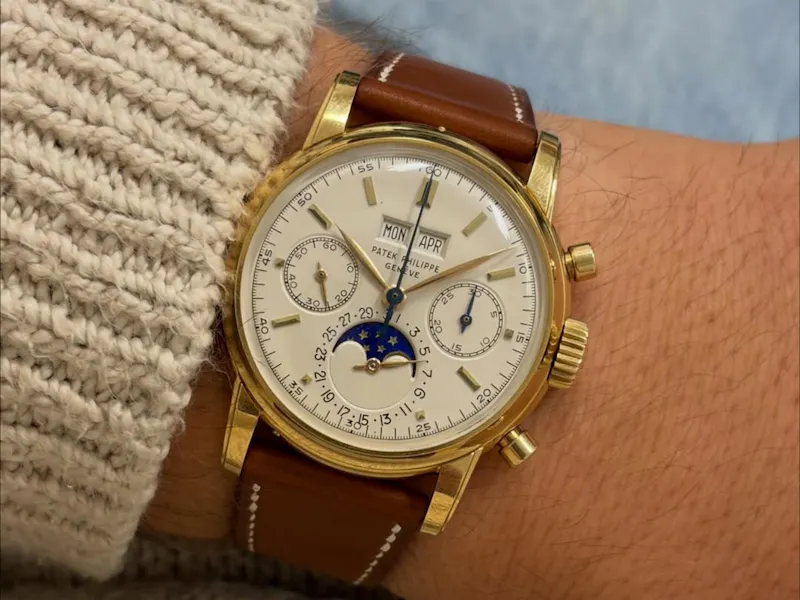
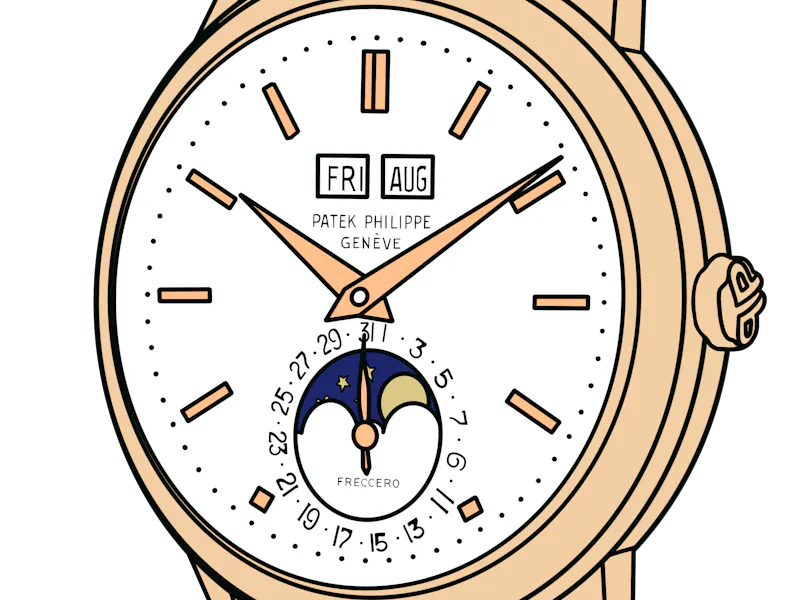
These days, to have a name like Cuervo y Sobrinos, Freccero, or Serpico y Laino gracing the dial of your vintage Patek timepiece means that you can comfortably demand a premium over single-stamped examples. Historic provenance, it seems, commands a hefty price.
One notable name I didn’t mention earlier is that of Gondolo & Laboriau. While you’re unlikely to come across many Pateks with its name stamped on the dial, the story of this Rio jeweller is properly riveting: and tells of how innovative thinking can turn a local success story into legend, inscribed in the annals of world history.
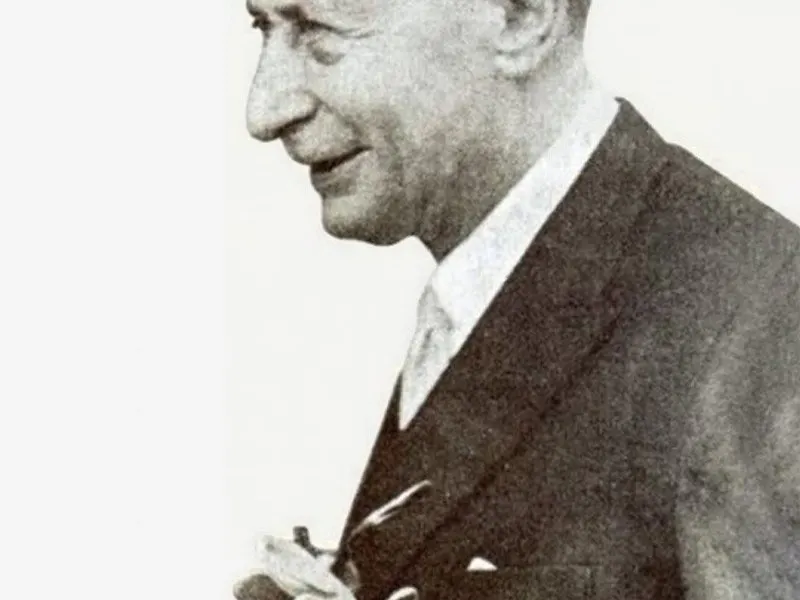
A union of two families in the watch & jewellery business, Gondolo & Laboriau resulted from a merger between businesses owned by Carlo Gondolo and Ferdinand Antoine Laboriau. Gondolo was already a known quantity in Rio de Janeiro, thanks to Carlo’s brother Emilio: an Italian-born watchmaker who had previously been commissioned to make pocket watches for Dom Pedro II, Emperor of Brazil. The Laboriaus were jewellery makers hailing from Paris, who had established themselves in Rio in the mid-19th century. Through the marriage of Carlo’s daughter to Ferdinand’s son, Gondolo & Laboriau was born, setting their sights on one target – Patek Philippe.
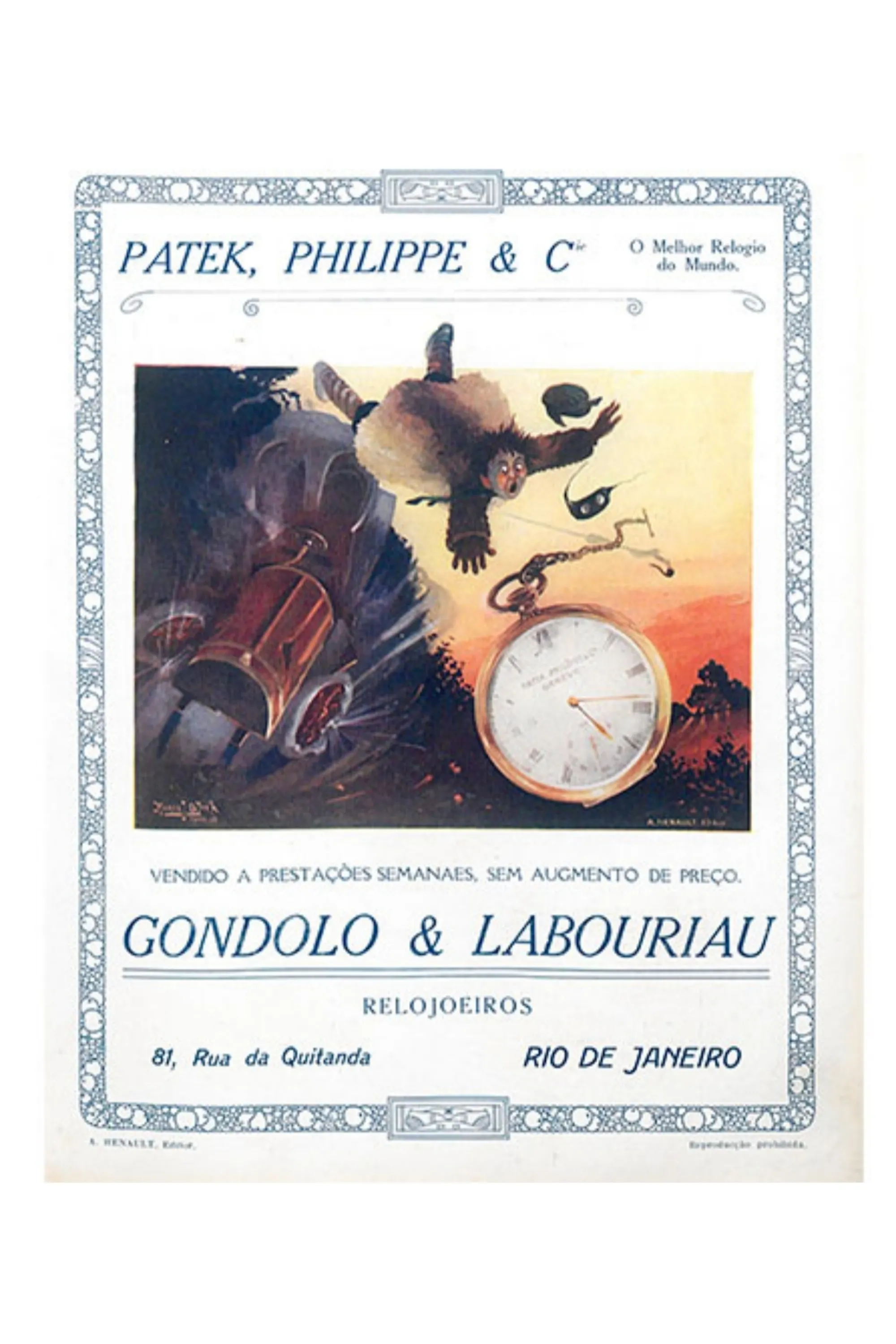
Doing what his brother Emilio could not in his regrettably short lifetime, Carlo Gondolo made a successful bid to become Patek’s sole Brazilian distributor in 1874; burnishing the brand’s reputation across the country by commissioning newspaper ads that promoted its achievements in Swiss chronometry trials. This, however, was not enough to take Gondolo & Laboriau to its eventual peak. For reference: at one time, a third of all Patek Philippe watches sold globally passed through the Rio retailer’s doors. Achieving such a feat required critical thinking, and was the result of adopting a ‘club’ model akin to those you still see in use with certain collectors associations today.
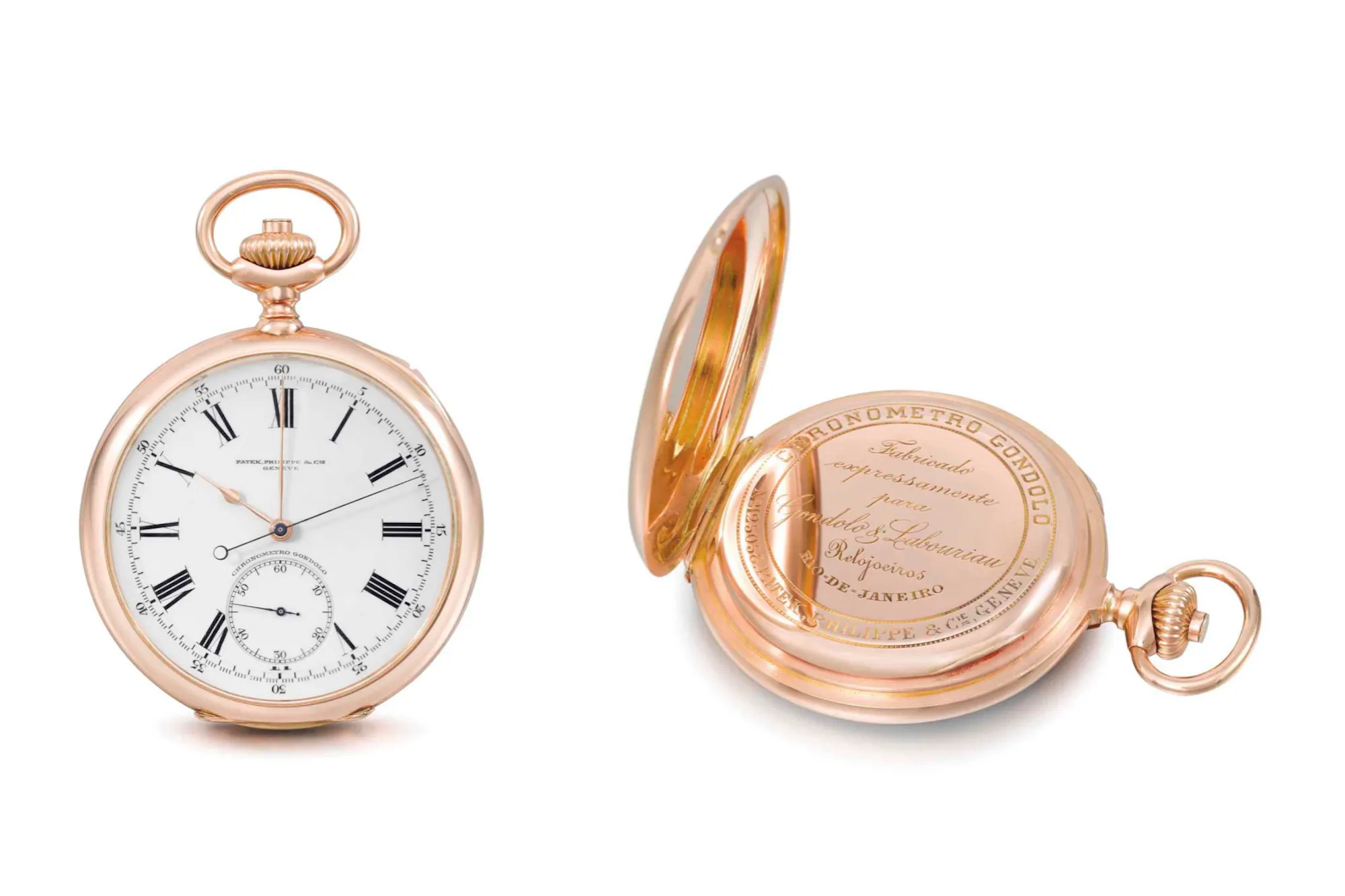
The system sounds deceptively simple, but the genius was in its lucky draw element. Every week, one of the 180 contestants would be selected to receive their Patek Philippe early, also alleviating them of the obligation to make any outstanding payments. So, hypothetically, your new 22-ligne Patek pocket watch could cost all of about 10 francs, instead of the 740-franc retail price – assuming you got lucky in the second week. In contemporary terms, that would amount to putting down $500 every week for 1.5 years, if the watch in question you had signed up for was a standard Calatrava.
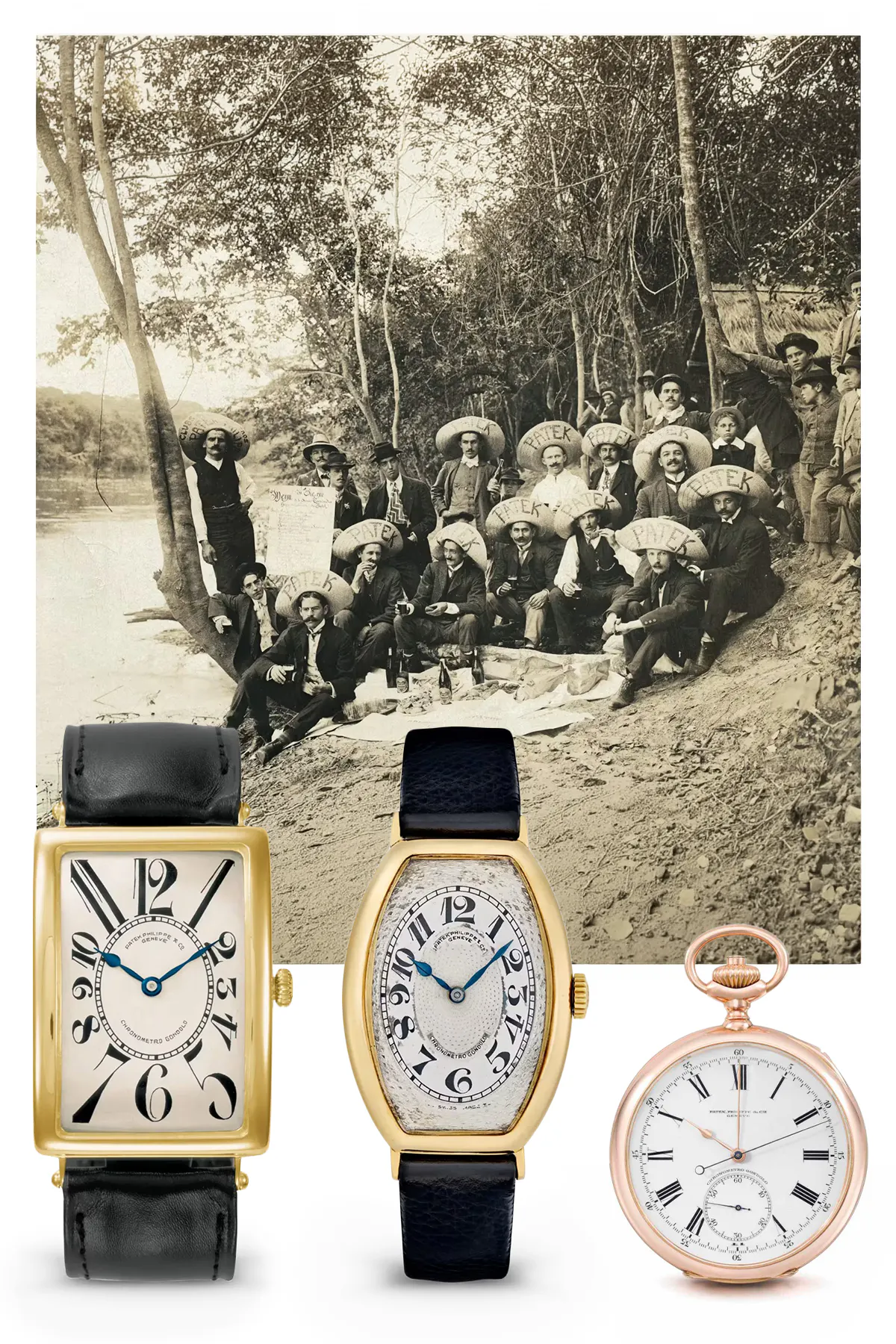
Gondolo & Laboriau’s watches were also not run-of-the-mill Pateks (to the extent that any Patek timepiece from this era can be considered ‘run-of-the-mill’). Recognising the potential of these ‘club’ editions, Carlo Gondolo commissioned special pocket watches from the Genevan maker; insisting on replacing the standard brass componentry with gear trains machined in 9k gold, upgrading the escapement with a new balance spring, and prominently signing “Chronometro Gondolo” text on the white enamel dials.
Over the next fifteen years, Gondolo & Laboriau ran 118 clubs. By 1914, the number of participants in an individual club edition had grown to 250, topping out at a thousand in the following years. The program proved so popular among Brazilian clients that it survived both WWI and the death of Carlo Gondolo himself in 1919.
The Chronometro Gondolo moniker also became synonymous with more than just pocketwatches. Art Nouveau designs made for the wrist, branded with the retailer’s moniker, would eventually join the offering; including complications such as repeaters and chronographs. In fact, the status of these clubs became so prominent throughout Brazil that they led to the formation of the ‘Gondolo Gang’.
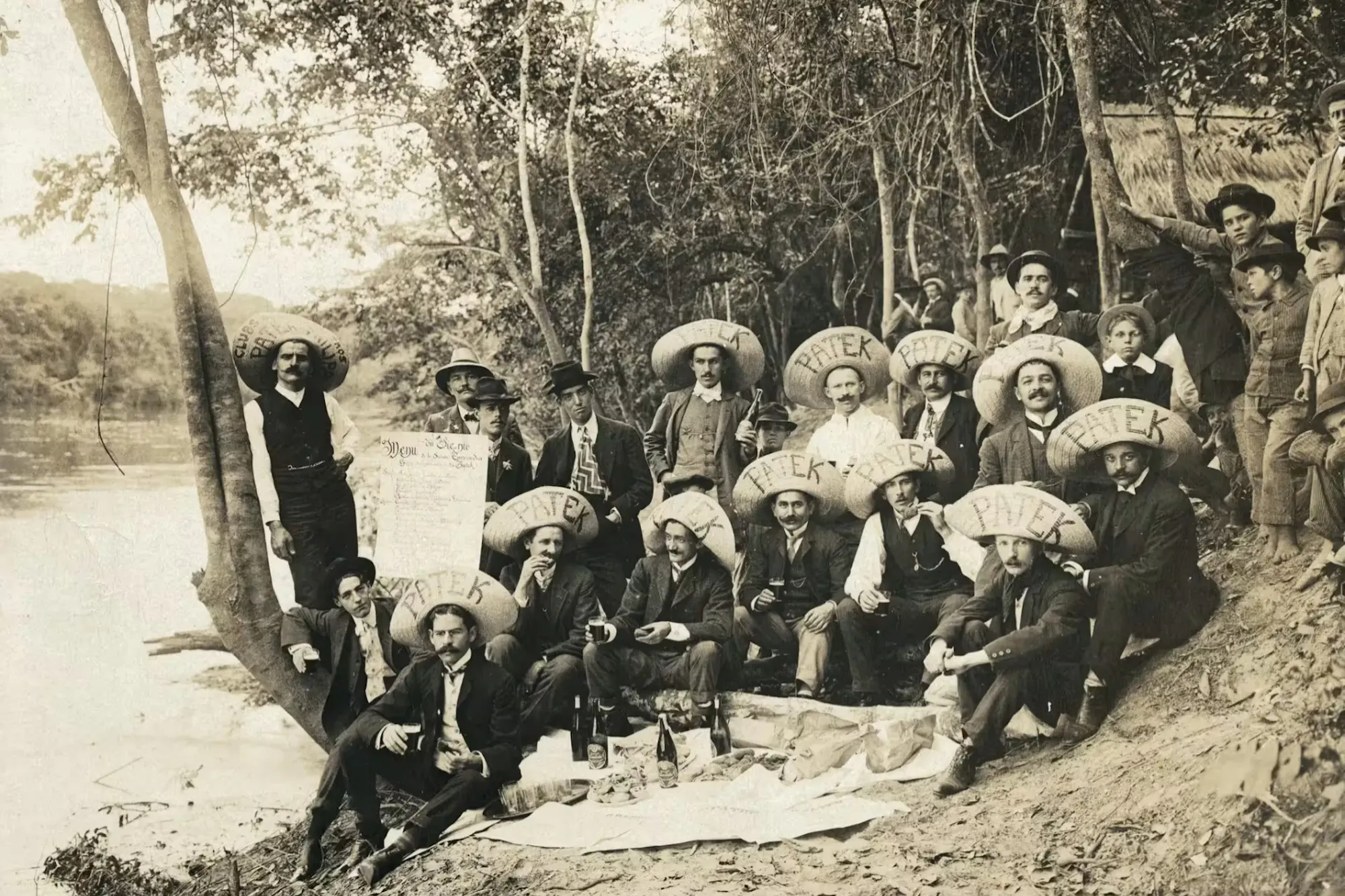
As you can see from the image above, each member’s suave, moustachioed appearance requires little in the way of additional explanation. But to give you an impression of what a typical afternoon at one of the gang’s riverside picnics might look like: think three-piece suits, enormous straw hats, and the dulcet tones of F. Santini’s Patek Waltz (1912). Yes, you heard right: an actual waltz composed as part of Gondolo & Laboriau’s promotional material.
In the years following WWI, Brazil experienced a heightened degree of civil unrest, which combined with the country’s overreliance on several key exports of dwindling importance – and the region-wide effects of the Great Depression – came to a head in the Revolution of 1930. Against this backdrop, and its own fiscal mismanagement, Gondol & Laboriau ceased trading in 1935. The licence to distribute club watches was pulled shortly thereafter: in part, no doubt, because the Rio retailer owed the equivalent of US$10 million to Patek.
Some 10,000 kilometres away, the Swiss watch industry wasn’t immune to the shockwave of this global crisis either. Industry exports dropped a staggering 60%, with Patek Philippe itself narrowly avoiding ruin thanks to the company’s acquisition by Sterns Frères in 1932 – and the subsequent sale of the Henry Graves Supercomplication.
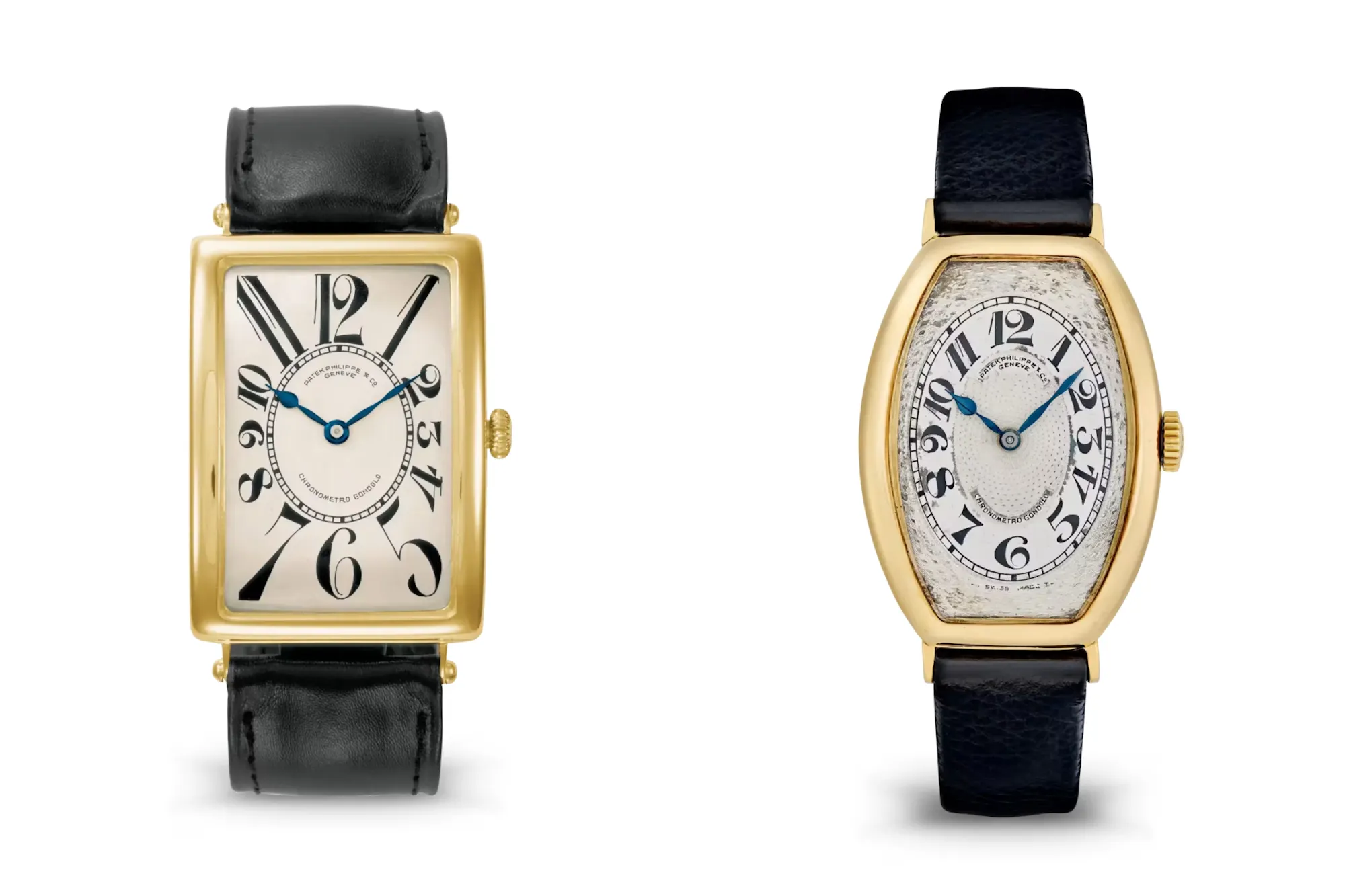
If today all of this sounds irrelevant, given that these events took place more than 100 years ago, I’d urge you to think twice. Gondolo & Laboriau’s efforts influenced more than just the collecting habits of well-monied consumers. By favouring a club-based distribution model, the Patek Philippe moniker became a lynchpin for an entire community; and the resultant word of mouth helped catapult the brand into new markets, outside the elite sphere of the Gondolo Gang.
One particularly fun urban legend has it that Brazilians began using ‘Patek’ as a synonym, in Portuguese, for the word ‘watch”. More recently, Patek Philippe paid tribute to the “revered retailer” in the most explicit way possible – with a whole collection of Gondolo-branded watches, first unveiled in 1993. How’s that for lasting influence?