[001][16.05.22]
It’s not unusual for watch brands to weave alluring narratives around heritage, but how many maisons are able to truly celebrate the past as they pave the way forward? To get a sense of how the very best do it, UNEKUAL visited the Patek Philippe Watch Art Grand Exhibition in Milan.
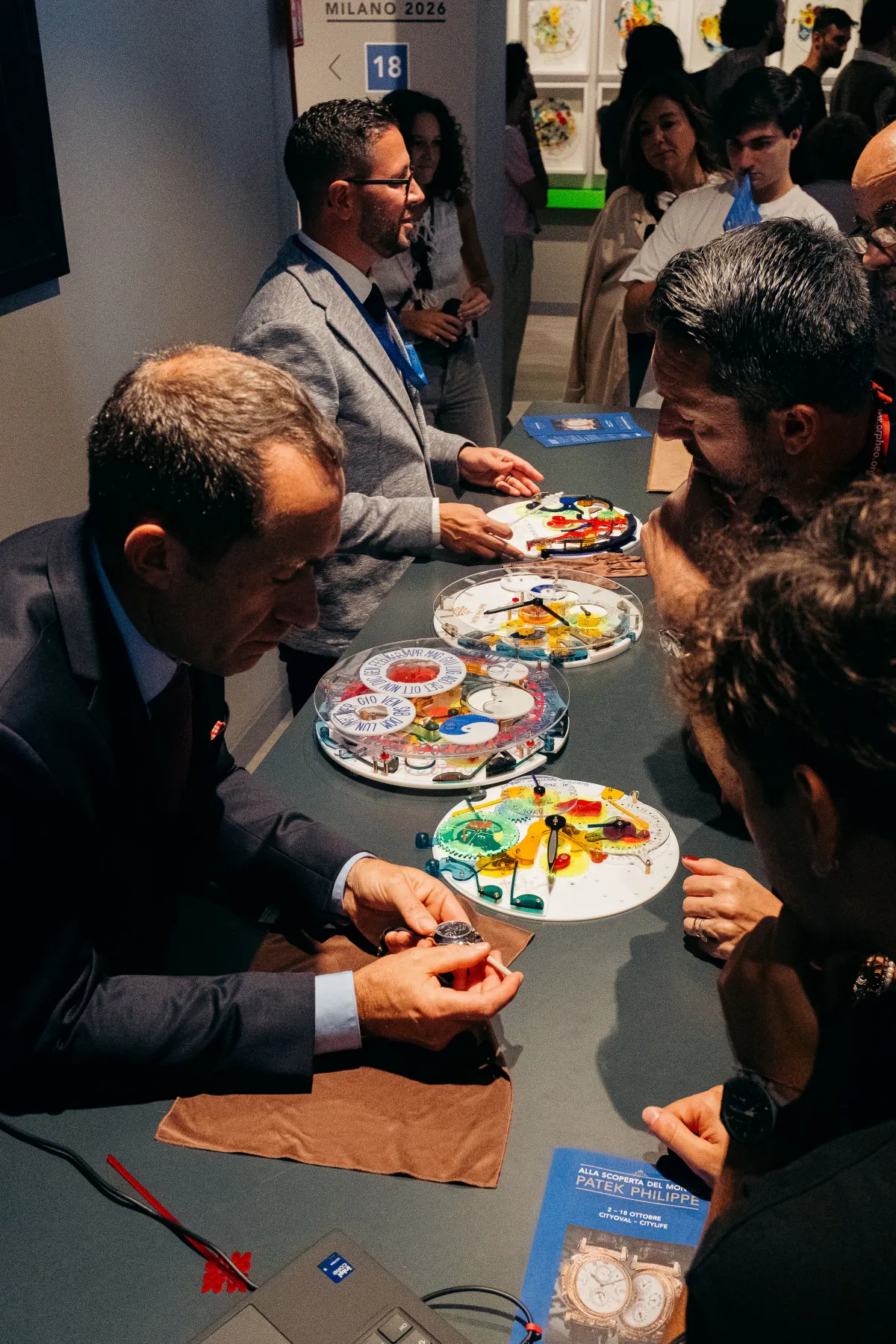
Italy, and especially its foremost industrial city Milan, has long been an international nexus for watch culture. Italian collectors and dealers are often credited with shaping global taste beginning in the 1980s, thanks to their early interest in hand-wound Rolex Daytonas, the Nautilus, and Royal Oak, to name but a few. Last month, Italy’s second largest metropolis returned to the spotlight as the stage for Patek Philippe’s Watch Art Grand Exhibition — the seventh edition of the brand’s famed public horological salon and the grandest yet organised.
First hosted in Dubai 14 years ago, with subsequent notable editions at London’s Saatchi Gallery, Singapore, and Tokyo, the Watch Art Grand Exhibition is now a much-anticipated event for Patek Philippe collectors and the broader watch collecting community globally. But what exactly is it? And how does it feel to visit?
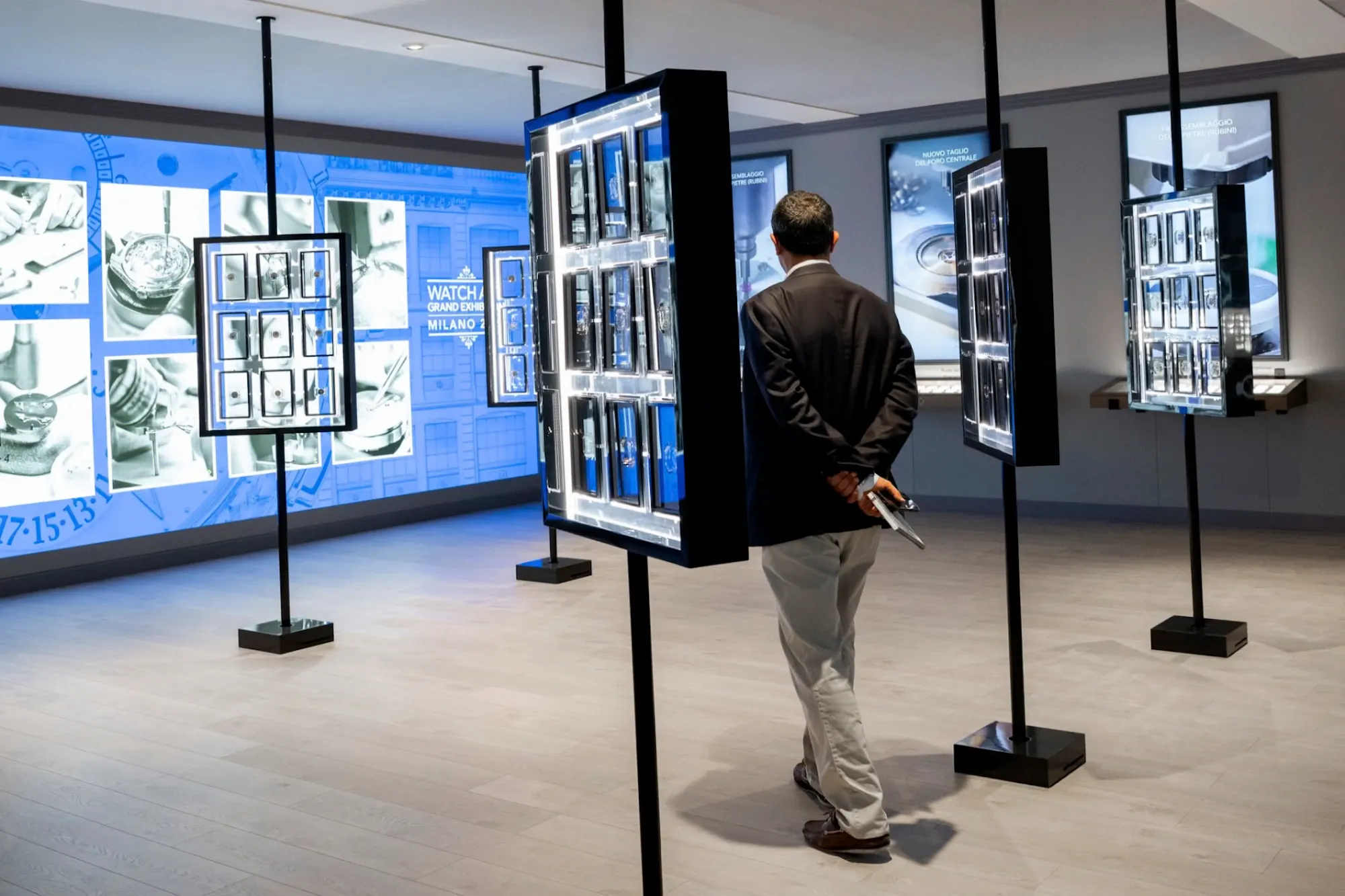
In simplest terms: it’s a complete and compelling deep-dive into the past, present, and future of Patek Philippe. A well-orchestrated journey that seamlessly carries visitors from the dawn of portable timekeepers through to the finest innovations that are researched and forged in the Maison’s laboratories, presented and explained by the very same artisans and engineers who’ve devoted their lives to both the ancient craft and progressive science of watchmaking.
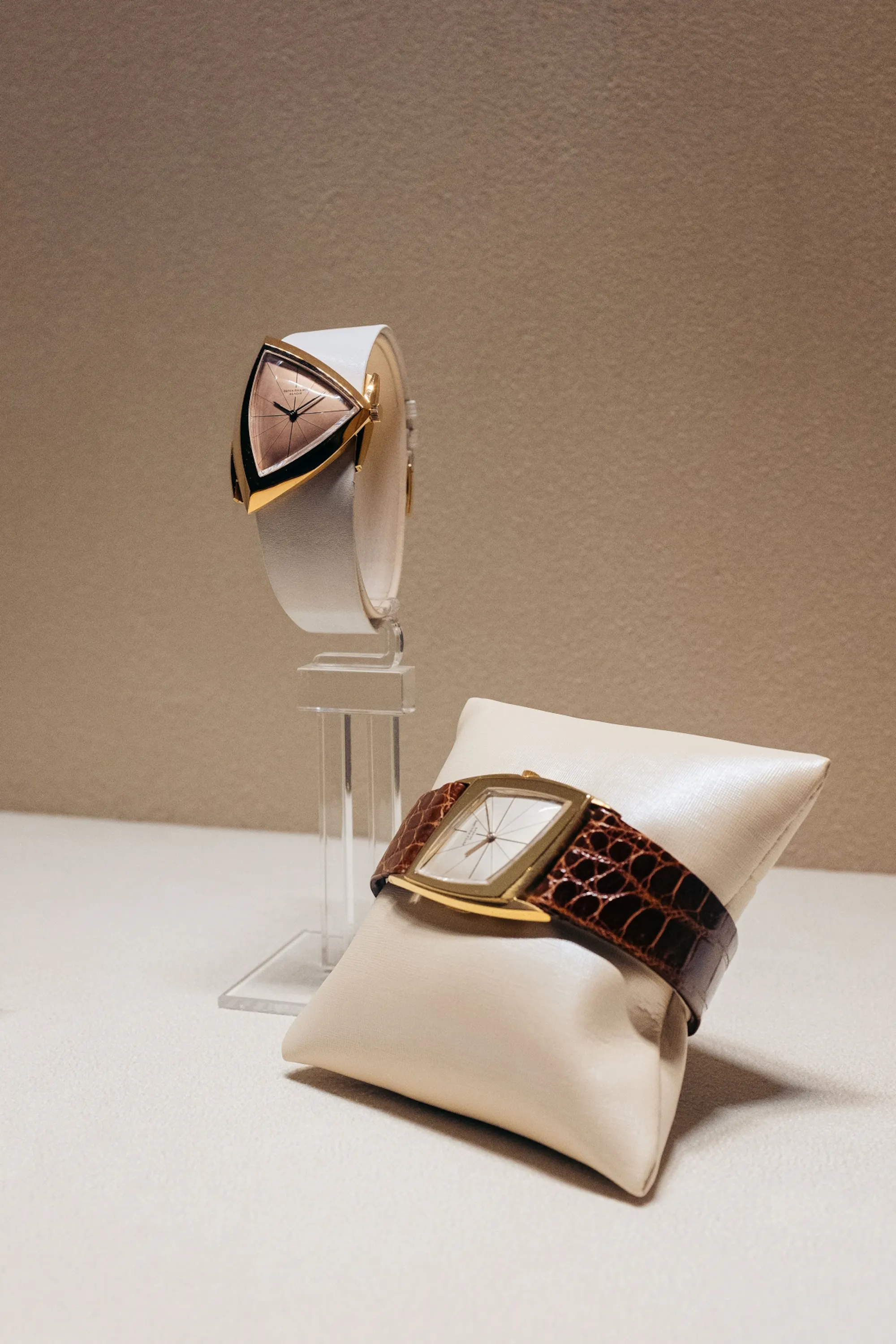
Spanning the almost 3,000 sqm of Palazzo delle Scintille — a domed, 1930s Art Deco fair hall — the Exhibition welcomed visitors with a room showcasing watches from the Museum’s Ancient Collection, dating as far back as 1548. Despite this venerable dating, the ‘ancient’ exhibits were anything but a bore: a fact that most visitors would quickly realise by witnessing, for instance, a pocket watch incorporating an automaton of Moses fetching water from the rocks while two angels strike the time on a bell with tiny hammers. Exquisite.
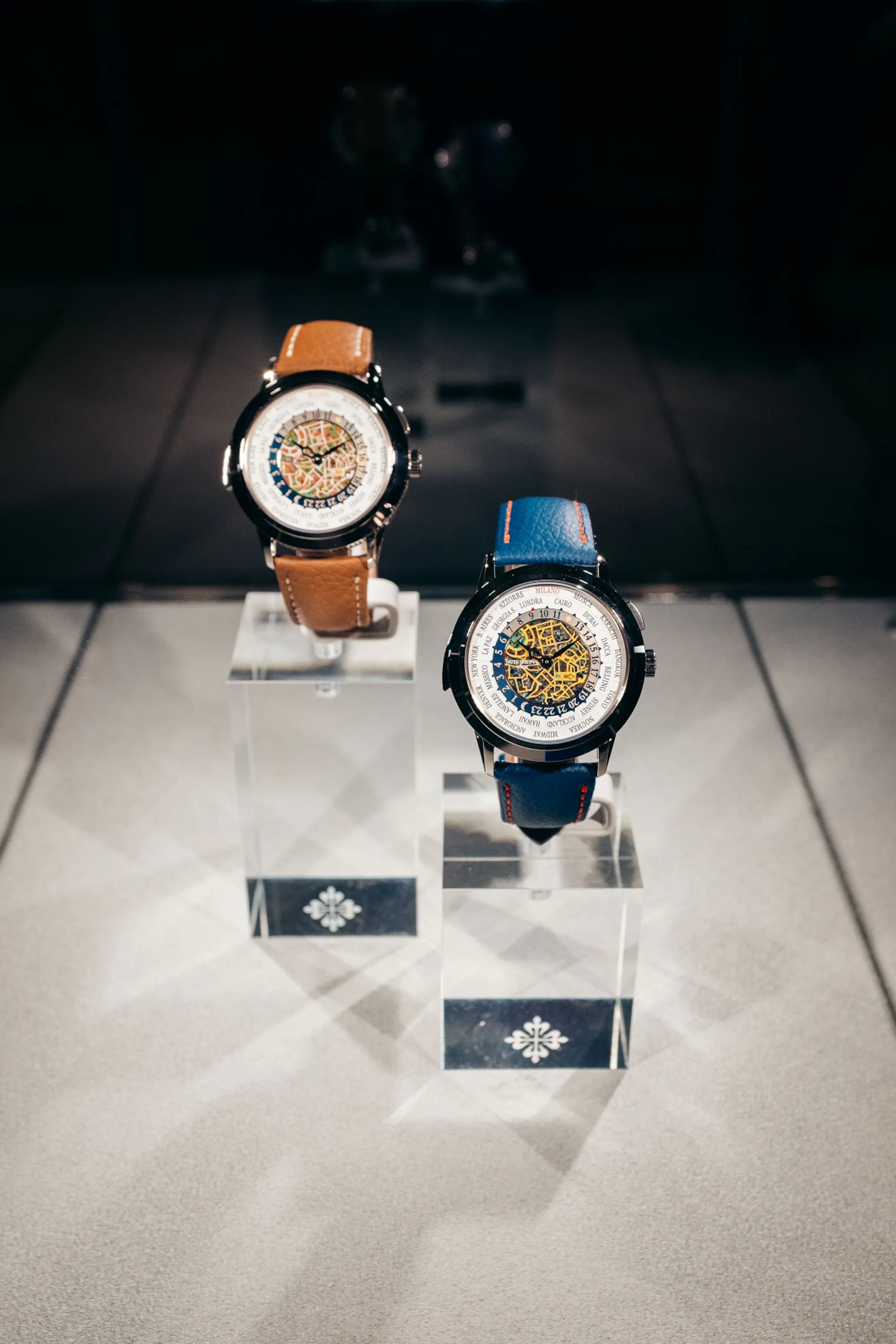
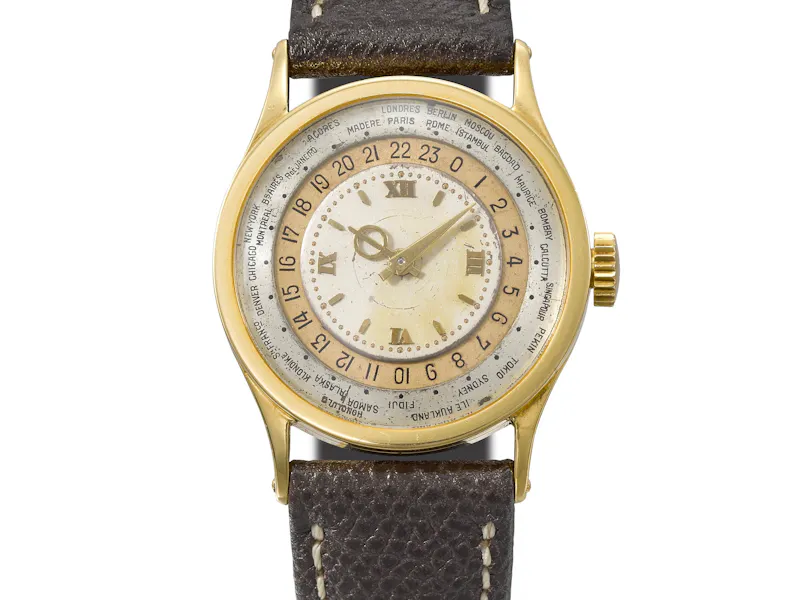
Much as one would navigate the halls of Rue des Vieux-Grenadiers, the next room featured timepieces from the eponymous Patek Philippe collection, ergo 1839 onwards. Through showcase after showcase, it quickly became apparent how, for just a few weeks, the Milan exhibition held perhaps the finest selection of Patek Philippe watches outside of the Museum itself. Think prototypes and ultra-rare world timers, several Gilbert Albert-designed pieces, and a staggering total of four enamel masterpieces by Suzanne Rohr.
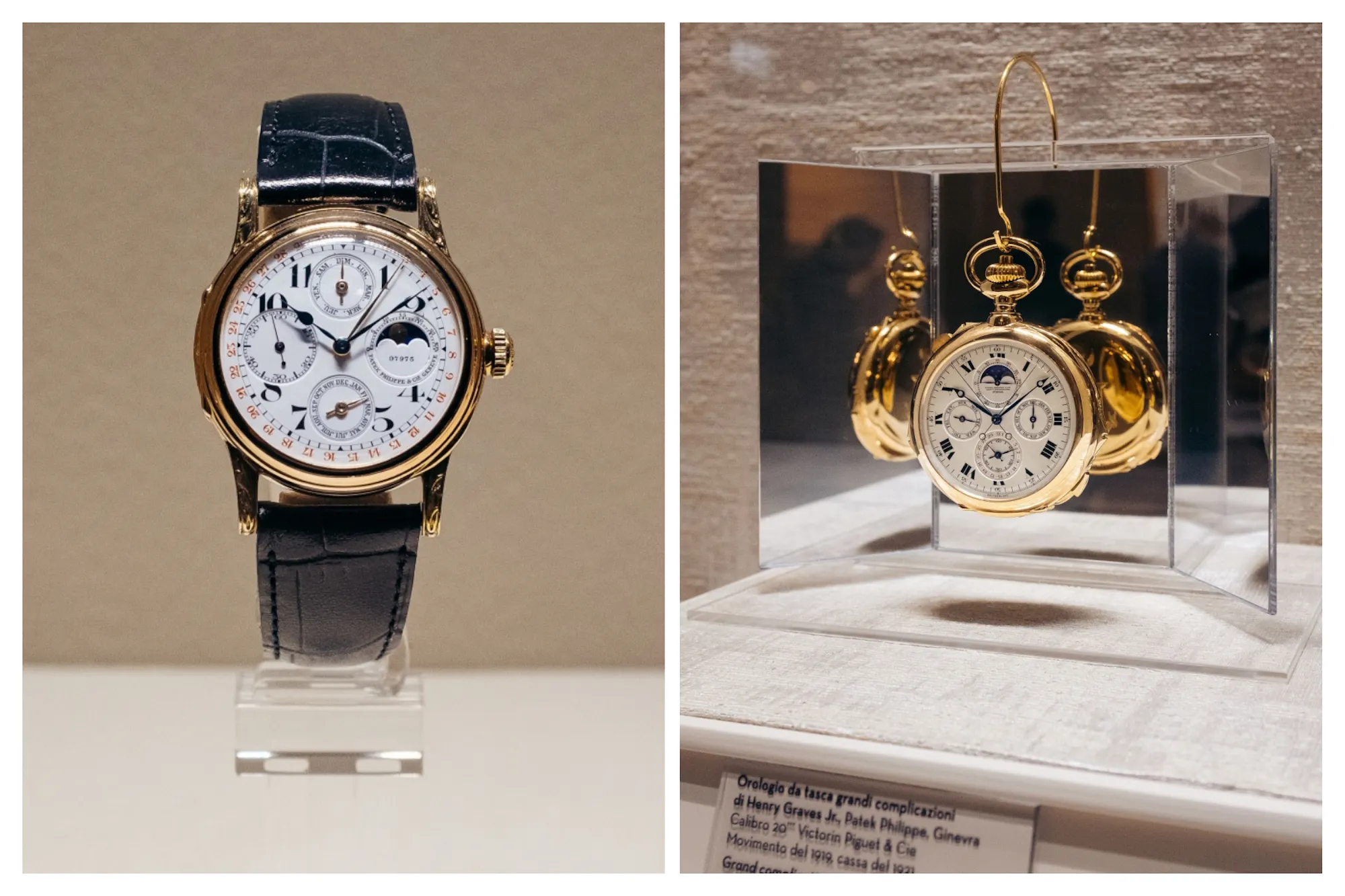
Moving on, a gallery presenting a lineage of historic Patek patrons displayed the Graves Supercomplication; one of James Ward Packard’s minute repeaters; and the Duke Ellington 1563, all casually sitting side by side. Visitors were led into an immersive exploration of the Maison’s archive, detailing patents and innovations, alongside profiles of four generations of the Stern family that helmed Patek Philippe throughout the twentieth century.
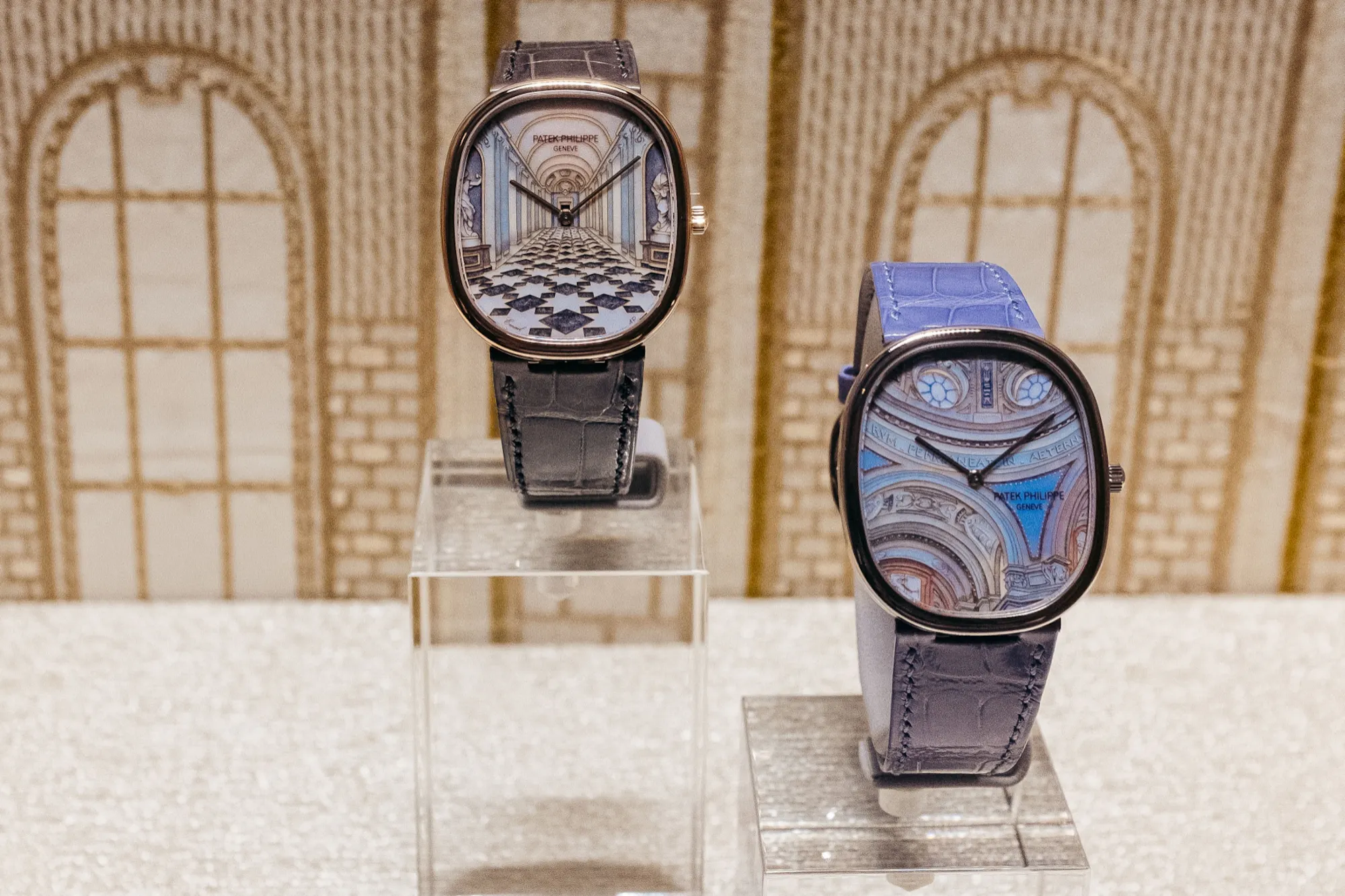
The next part of the show was possibly even more impressive: a display of twenty seven (count them) ‘Rare Handcrafts’ created expressly for the this Grand Exhibition, culminating in five workbenches where Patek artisans demonstrated a range of crafts: gem cutting and setting, enameling, engraving, guilloché and wood marquetry. To witness any one of these disciplines bends the concept of human skill, but watching a dial take shape before your very eyes — through the juxtaposition of hair-thin wood shards — is by far the most impressive thing.
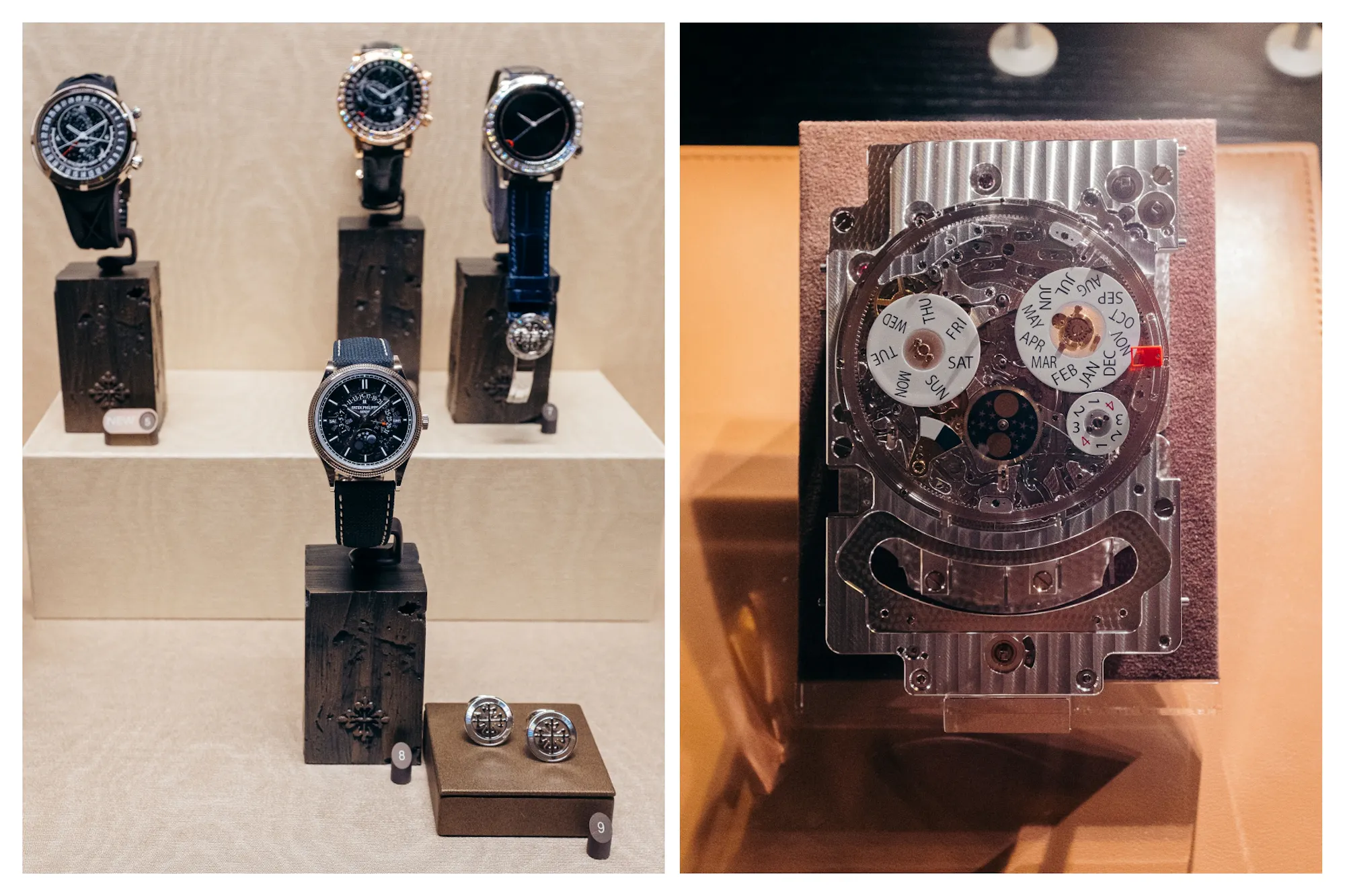
The exhibition also delivered for those wondering what lies beneath, in a manner of speaking, with three rooms containing the entire lineup of movements employed in the current Patek Philippe catalogue. These were all cleverly displayed in revolving cases with their own magnifier: allowing attendees to peek at even the smallest of gears. After the calibers, came a focus on mechanical audacity, guiding visitors through technical patents, ‘Advanced Research’ watches, and chiming timekeepers; culminating in the room of supercomplications. Between the Caliber 89, Star Caliber, and Grandmaster Chime, that is an eyewatering number of complications on displays — 74 to be exact.
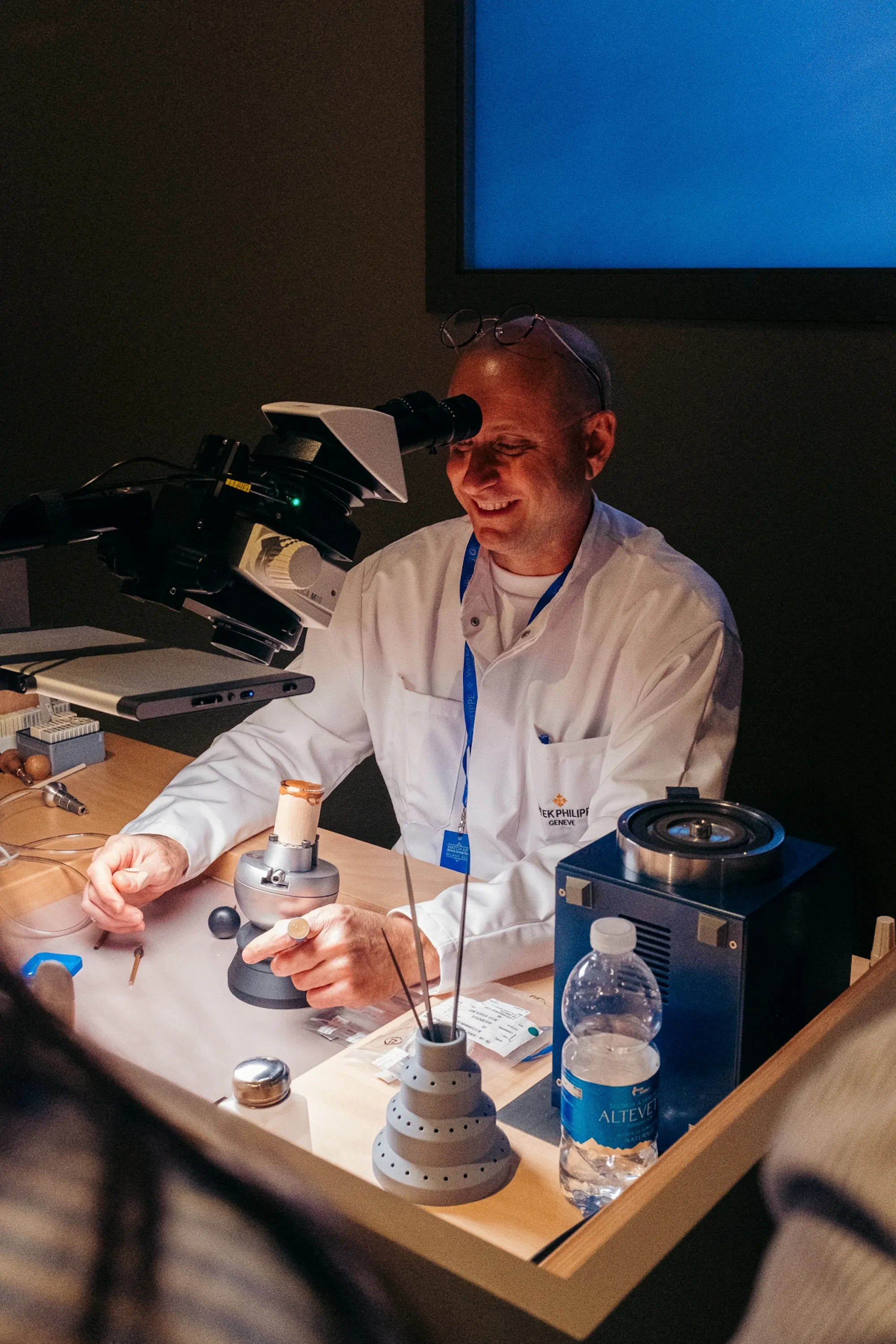
Finally, as a very deliberate counterpoint to the dialmakers, four watchmakers sat at workstations erected for the purposes of this Grand Exhibition. Assembling and regulating movements in real time; all while explaining the various minutiae involved to passersby.
There are certainly a few ways to measure the success of an exhibition. If the discernible impact it has on visitors is one of them, then by that logic, this year’s Watch Art Grand Exhibition in Milan was a resounding success: we spent several hours on the ground at the Palazzo delle Scintille, and in that time were hard-pressed to find a single person who looked bored or unimpressed.
The takeaway among devotees of fine horology? As long as we have Patek Philippe carrying forth the torch of watchmaking, the future would appear to be in fairly safe hands.