[001][09.05.23]
[Written by Borna Bosnjak]
Patek Philippe ref. 3509: a vintage, steel Patek you can actually afford
There are few things as revered and valuable in vintage Patek collecting as steel — the humble material rarely found in the collections of the crown watchmaker in the ‘Holy Trinity’. But what if I told you the material doesn’t have to be quite so illusive?
For many enthusiasts, there comes a point in the collecting journey, when you have to stop yourself and ask: “what’s next”?
Exact timing for this self-enquiry differs between individuals, but it generally arrives as a kind of emotional crossroad. Either, when feels fulfilled and satisfied with where their watch pile happens to be. Or, there’s a distinct sensation of longing so palpable, one can’t decide where to go. For Patek Philippe collectors, thoughts often stray to the heady heights of steel.
It’s a material that numerous other makers take for granted: given that the watch industry has almost unilaterally agreed to make it the first rung on the luxury ladder. Attainable, popular, and (relatively) low in cost to produce at scale. Naturally, you can’t quite attribute any of those characteristics to Patek Philippe: a maison that only began to introduce steel in a substantial way in the ‘70s, with the advent of the integrated bracelet Nautilus.
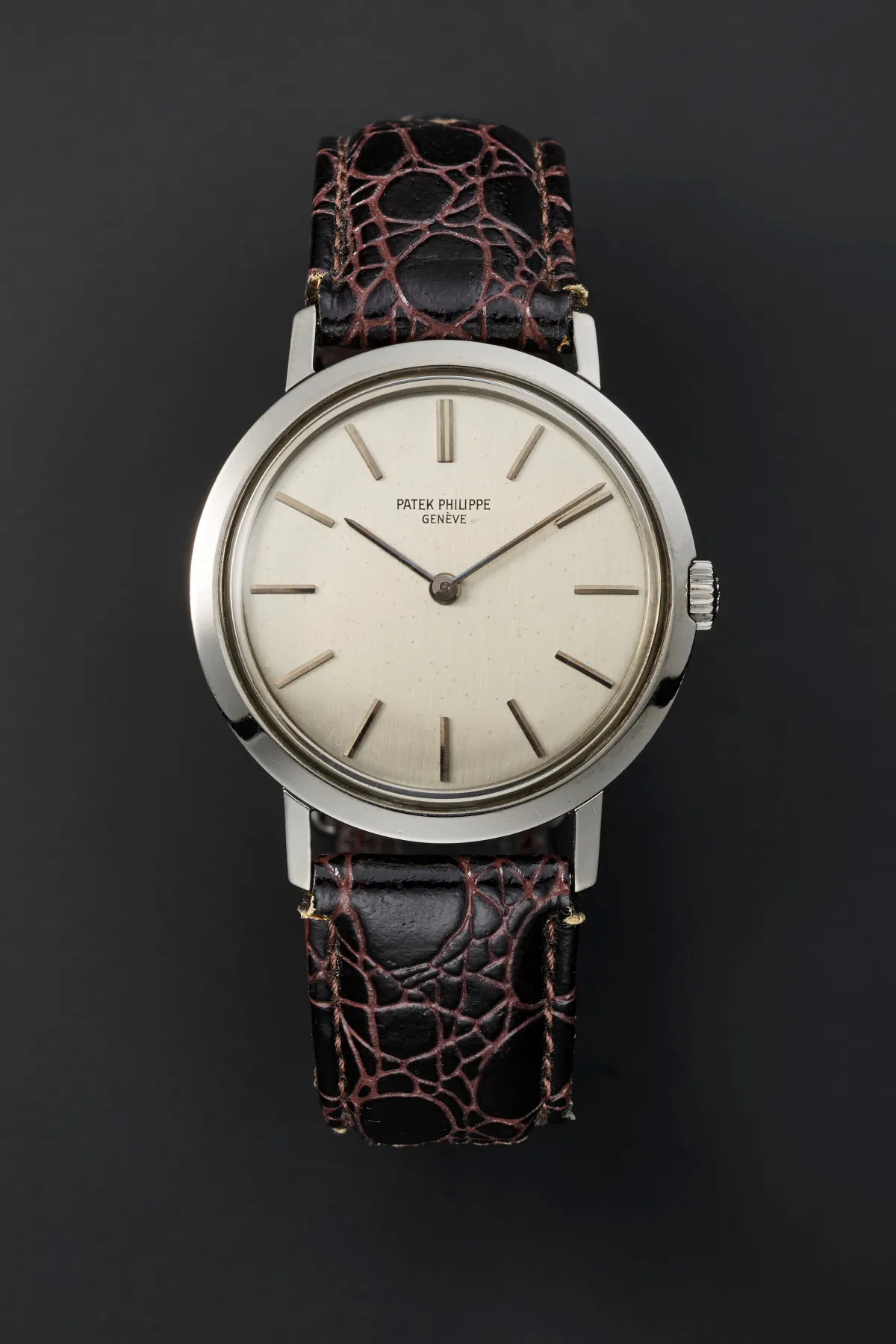
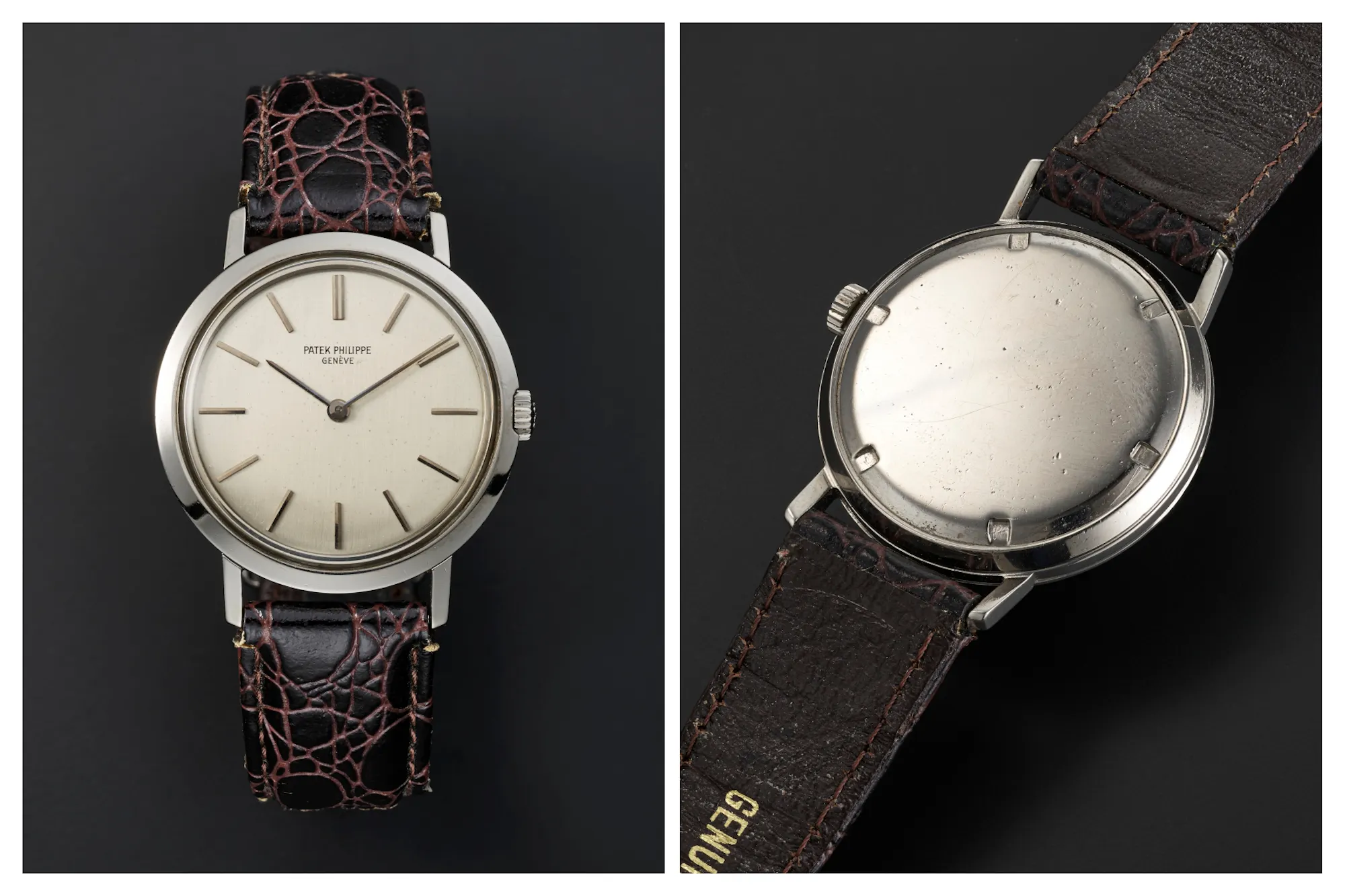
Much of the brand’s steel-cased catalogue remains the stuff of legend. Case in point: the ref. 3509A, an underrated Patek dress watch that has yet to experience the fanfare of other vintage references such as the 2552.
Why steel?
Understanding why a non-precious metal can demand premiums over gold and platinum requires a simple, yet fairly unsatisfying, calculus. It’s the same paradox all luxury depends on: brought on by scarcity and successful marketing, eventuating into historical significance and demand.
The same inverted-U theory that holds for similar enthusiast pursuits (e.g. car or wine collecting) holds in relation to Patek Philippe and steel. For what is arguably the world’s most famed fine watchmaker, they’re rare and nonsensical; and people have managed to take that dissonance and turn it into desire.
At the most affordable end, features are stark and value is emphasised — steel dominates entry-level watches for all the right reasons. As you spend more, you demand more : titanium, ceramic, gold, platinum, integrated complications, the list goes on. But as you crest that peak, you seek things with philosophical value, which is calculated using more than just an amalgam of components and carat value.
In the same way that a top-end Porsche GT3 RS has manual seats and fabric loops for door pulls, the most cash you can splash on a watch is a steel Patek. But alas, we’ve accepted it, so let’s steadily move on.
The Ref. 3509, in a nutshell
Since I’ve committed to this whole automotive analogy, it’s helpful to think about the 3509 as a 996-series 911. It’s what people on the forums never talked about for one reason or another, but now that everything else is increasingly beyond reach, they’re recognising value and preconceived notions aside.
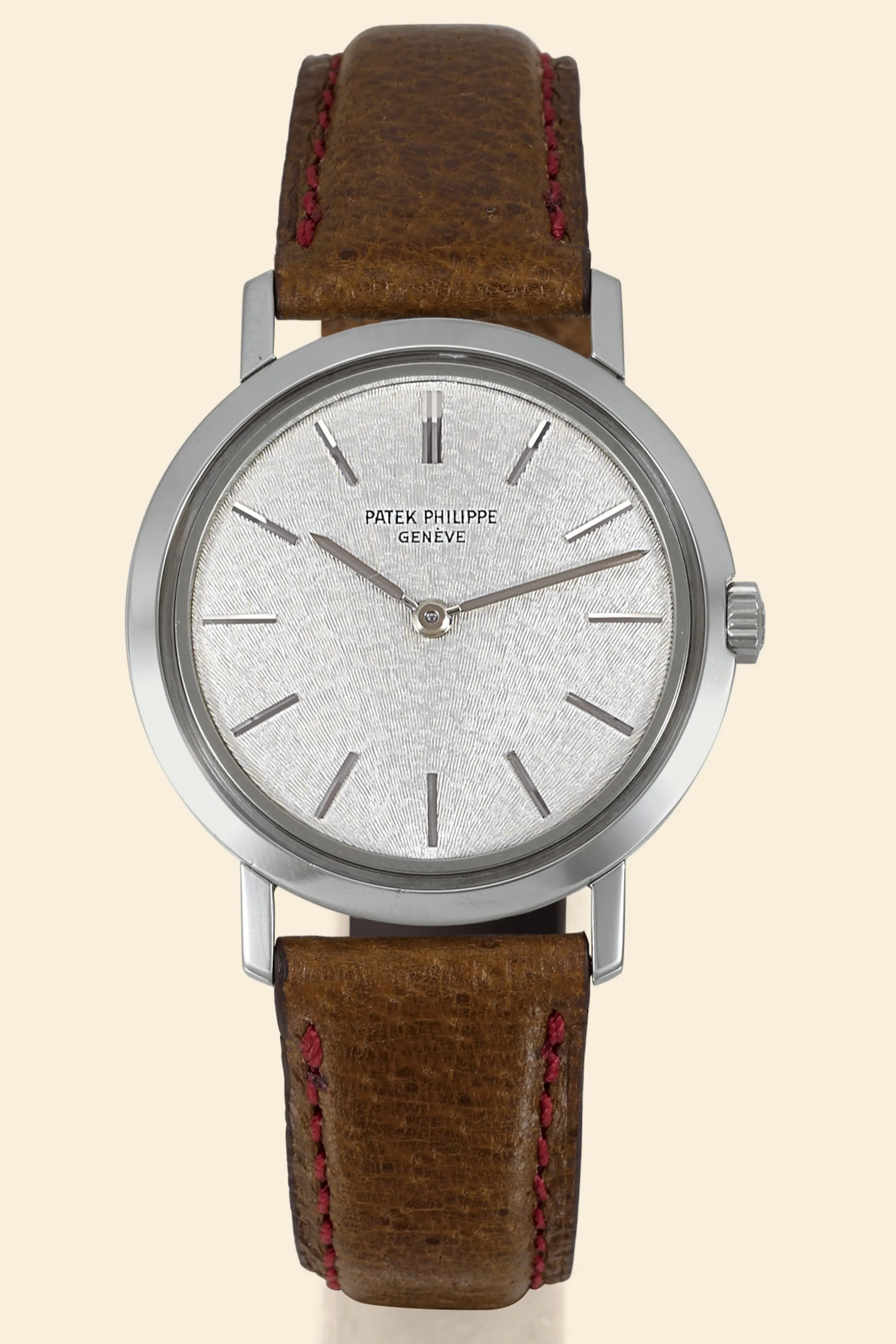
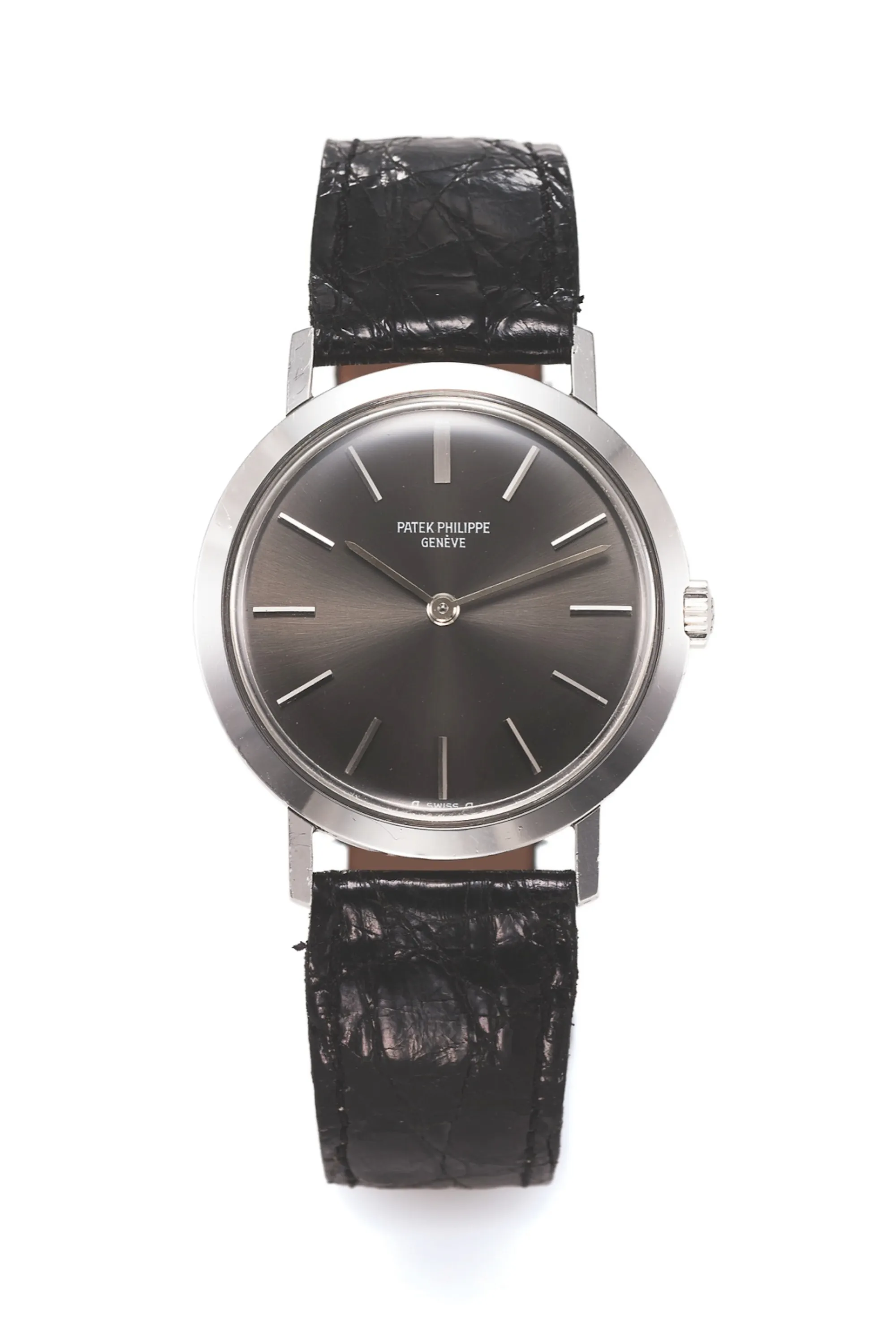
The 3509 was produced for a few short years between 1963-1969, as the smaller sibling to the much more expensive, sought-after automatic reference 3466. Best guesses around production numbers count several hundred examples with a few dial configurations, making the 3509 exceedingly rare. You could choose between Roman numerals or gold stick indices, with both available in light or dark dial finishes; ranging from matte white and opaline silver to anthracite and black, as well as a special textured silver variation.
The main drawcard, of course, is the reference’s 33mm steel case: sporting simple, straight lugs and a wide bezel that gives the whole package much more presence on the wrist than you’d initially expect. But the case has another trick, as it oddly sports a screw-down caseback — another rare distinction in the world of vintage Patek.
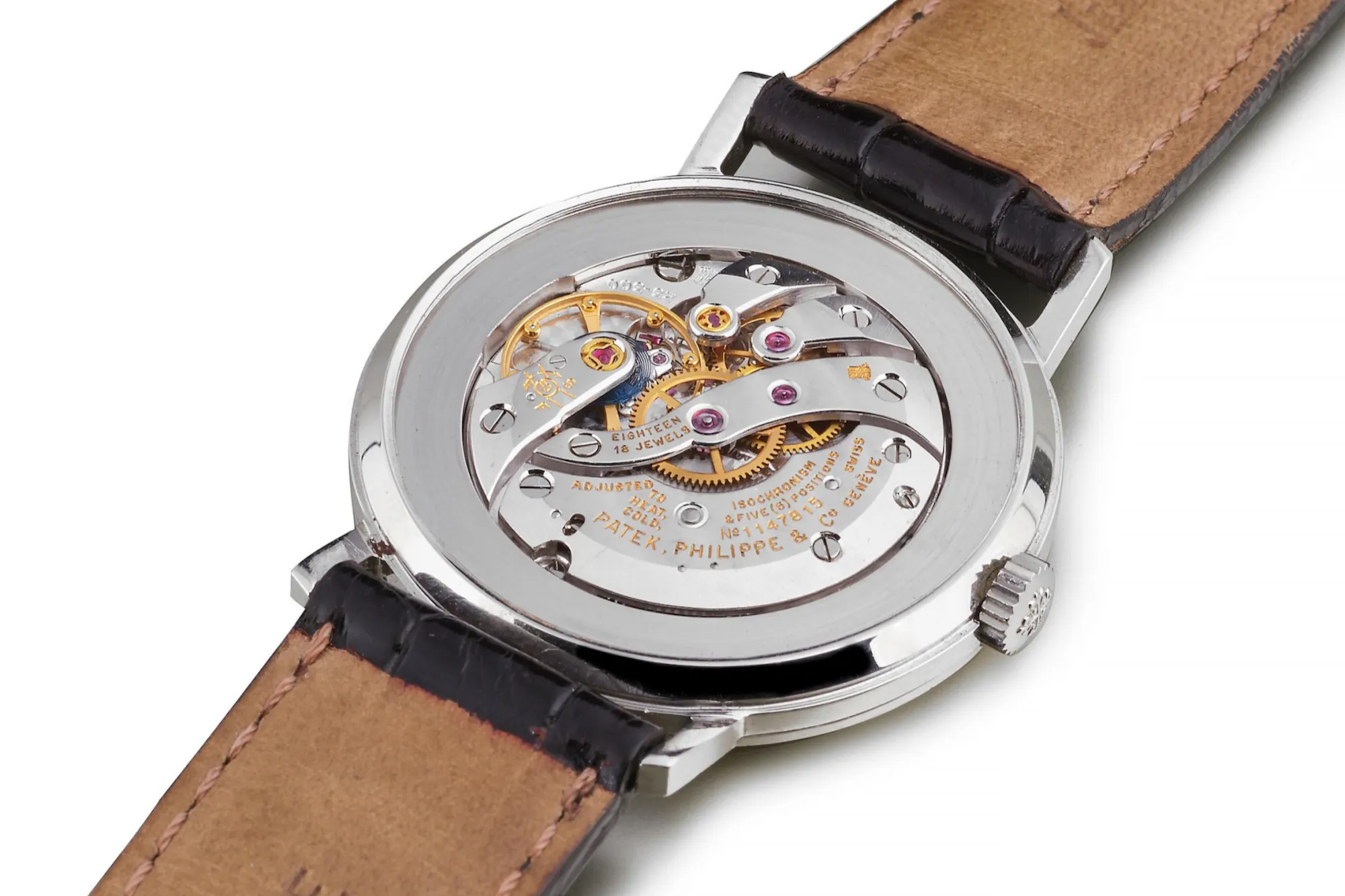
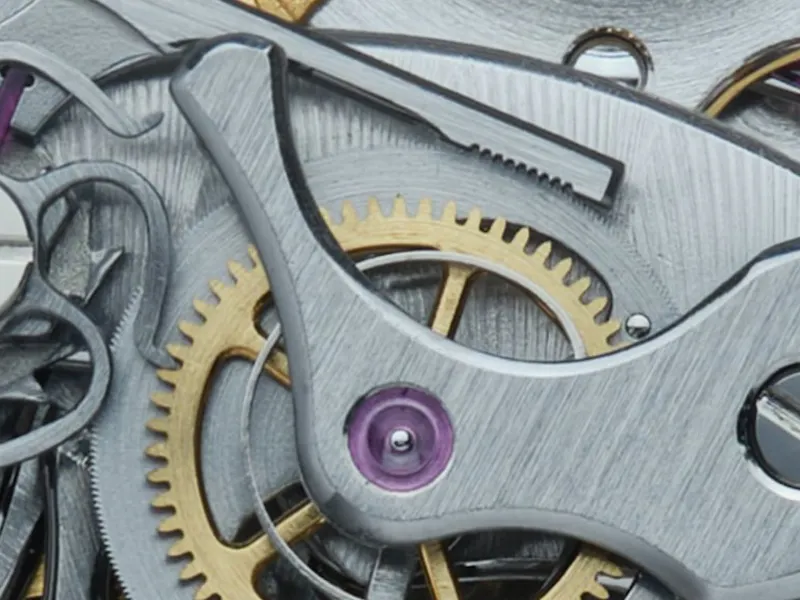
Inside is the manually wound Calibre 23-300, a movement made between 1956 and 1976, with a Breguet overcoil hairspring and Gyromax balance. Its swooping finger bridges are neatly striped, and the polished steel cap of the escape cock draws the eye.
Price is usually a good indicator of the context a watch finds itself in, and is doubly relevant when we’re talking about the ref. 3509 as it was the primary inspiration for me to write this essay in the first place. Pricing usually hovers above the US$10,000 mark, and if you get lucky, there are even decent quality examples selling for four figures. In comparison: steel, time-only Pateks like the ref. 565 and famed 96 Calatrava regularly sell for ten times this.
When a thing isn’t ‘too good to be true’
This is usually the part of the story where I tell you the catch: the revelatory reason why the ref. 3509, despite being a rare vintage steel Patek, never caught on. The thing is, there really isn’t a single universal criticism in that vein — and I don’t want to hear any moaning about the size. Plenty of highly valued and sought-after vintage Pateks hover in the 32mm-34mm zone, so I simply don’t acknowledge it as a factor.
Even after years of handling and writing about watches, references like the 3509 have the capacity to delightfully surprise. If I ever get to the place on my own collecting journey where I get the chance to ask myself that existential query — “what’s next?” — I now might just have the ultimate answer.
[News]