[001][15.05.23]
[Written by THOMAS WOJTOWICZ]
The Art of Subtlety: Patek Philippe and Hard Enamelled Dials
Unekual’s London contributor dives into the distinctive world of hard enamelling, a subtle and rare play on one of watchmaking’s most classical crafts – championed by the house of Stern for over half a century.
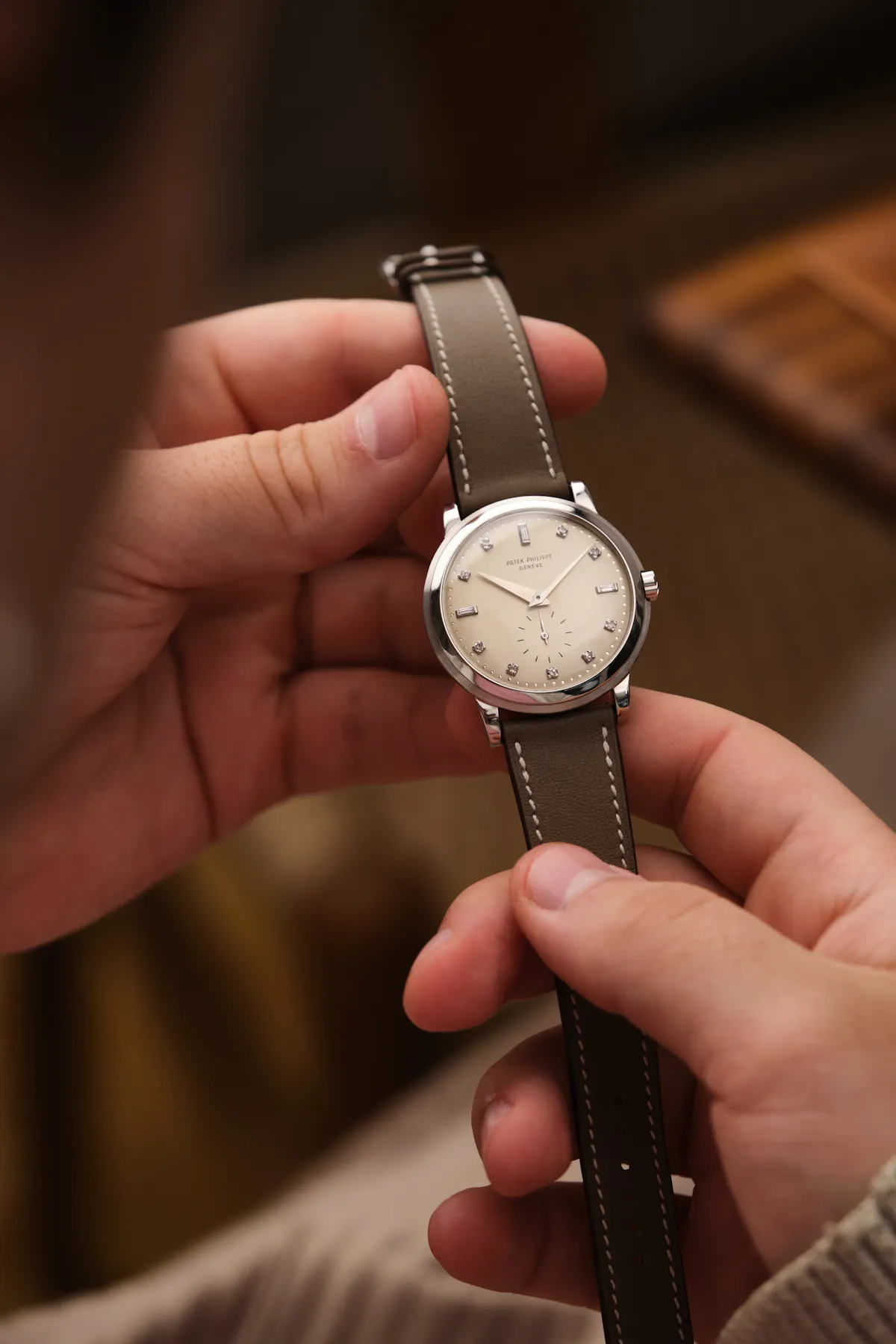
Background
In the 20th century, the playing field for high-end watches was very different from how it appears today. Only a few key players were pioneering the development of various techniques and inventions, with other brands following suit many years later.
Naturally, Patek Philippe was one of these – and one of the most renowned techniques it championed was enamelling. Both Henri and Philippe Stern famously kept the art alive during the second half of the 20th century, even as consumer demand for enamelled watches fell.
While the likes of painted or cloisonné enamel was still a rare feature for a Patek, even with access to the artists, the Sterns had long possessed a way to subtly incorporate enamel in a manner not so noticeable to the untrained eye. This technique is called hard enamelling.
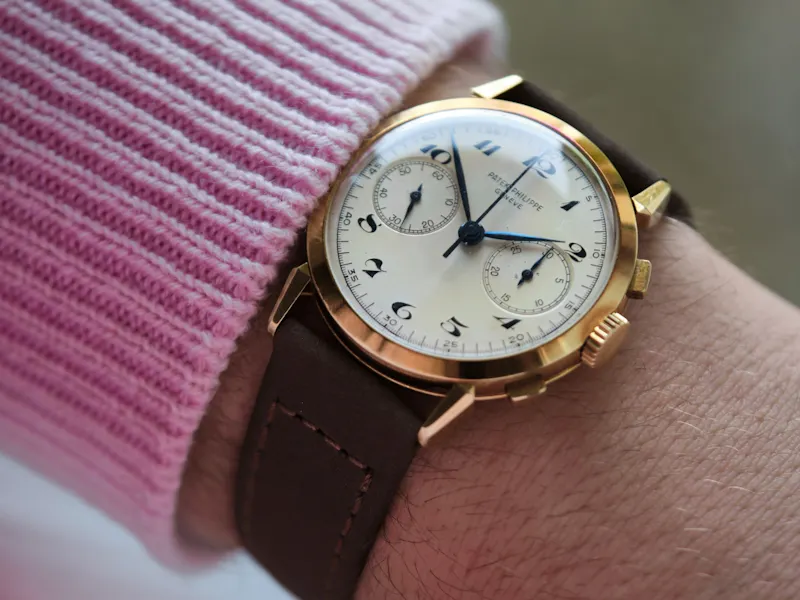
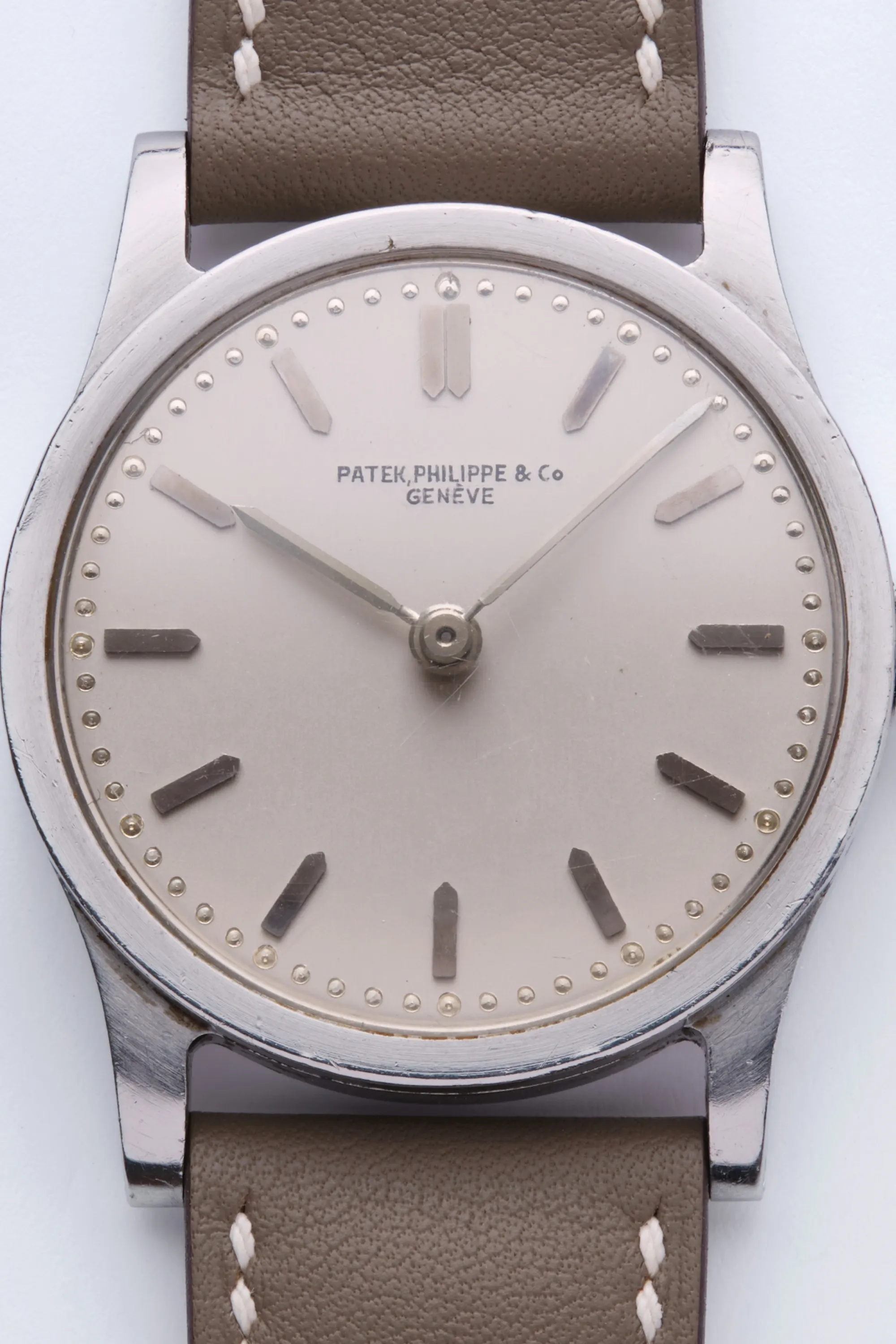
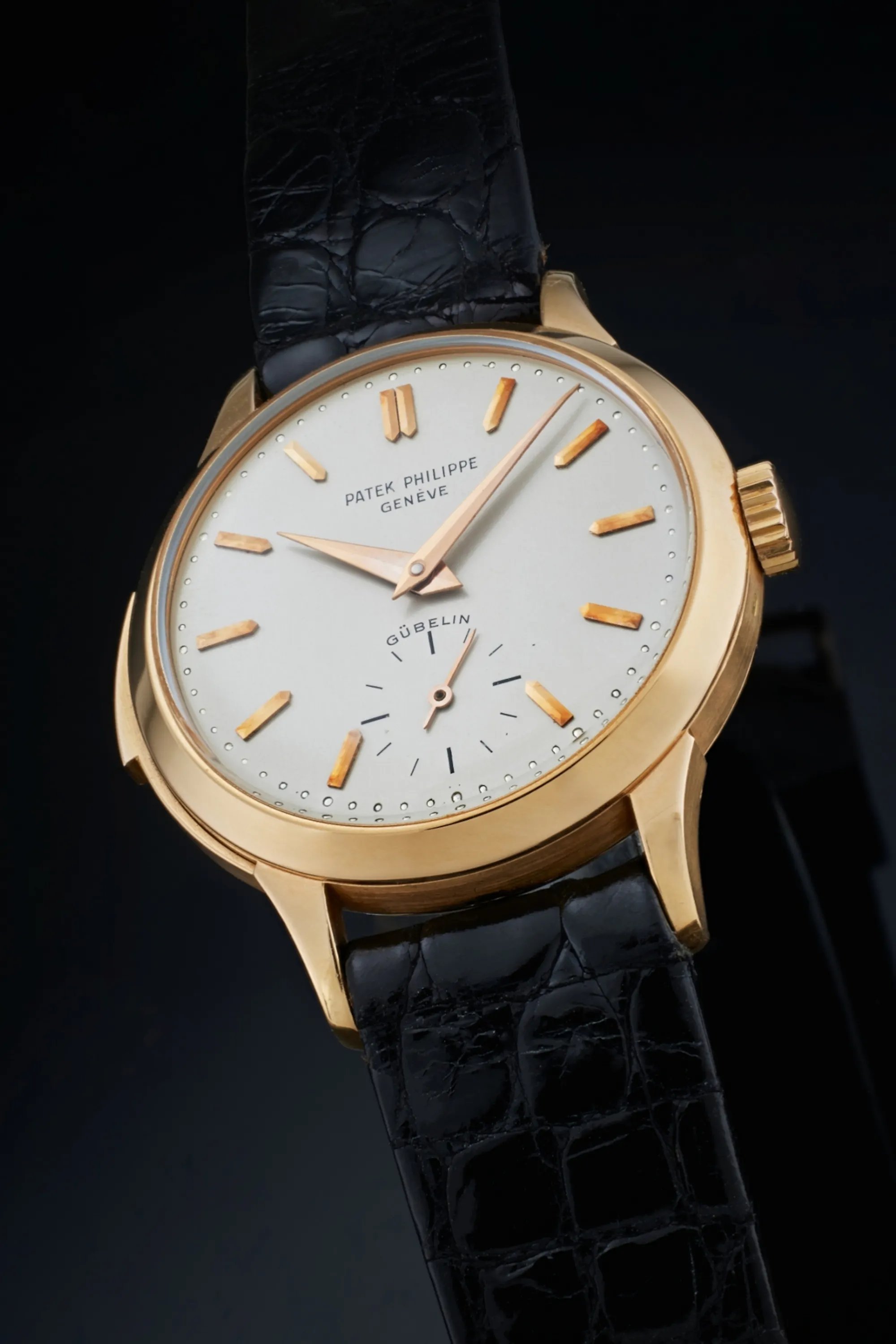
In effect, hard enamelling is a process whereby enamel is just used for the signature or markings of a dial, rather than the entirety of the dial’s surface. It resulted in a charming three-dimensional effect, giving dials much more depth compared to a regular ink-printed finish – particularly when paired with the older signatures, such as ‘Patek, Philippe & Co.’ (where ‘Genève’ is written with an accent grave).
An Arduous Process
The process of hard enameling began with hand-engraving of the dial, often made using a gold base. Once the engraving of the signature or markings was complete, it would be filled with enamel powder and then fired in an oven multiple times at a very high temperature; with polishing between each firing to remove impurities. This would allow the enamel to rise and set, creating the distinctive 3D effect. A layer of varnish was then added in order to seal the enamel, likely also contributing to its glossy texture.
This laborious process was used by Créations Stern SA when producing dials for Patek Philippe, as well as other high-end watchmakers. It gave the signatures and markings greater resistance to wear when dials were removed and cleaned, which was a common challenge that printed dials faced over time. Because it was such a laborious task, it was reserved for those more prestigious brands that Créations Stern supplied.
Restoration
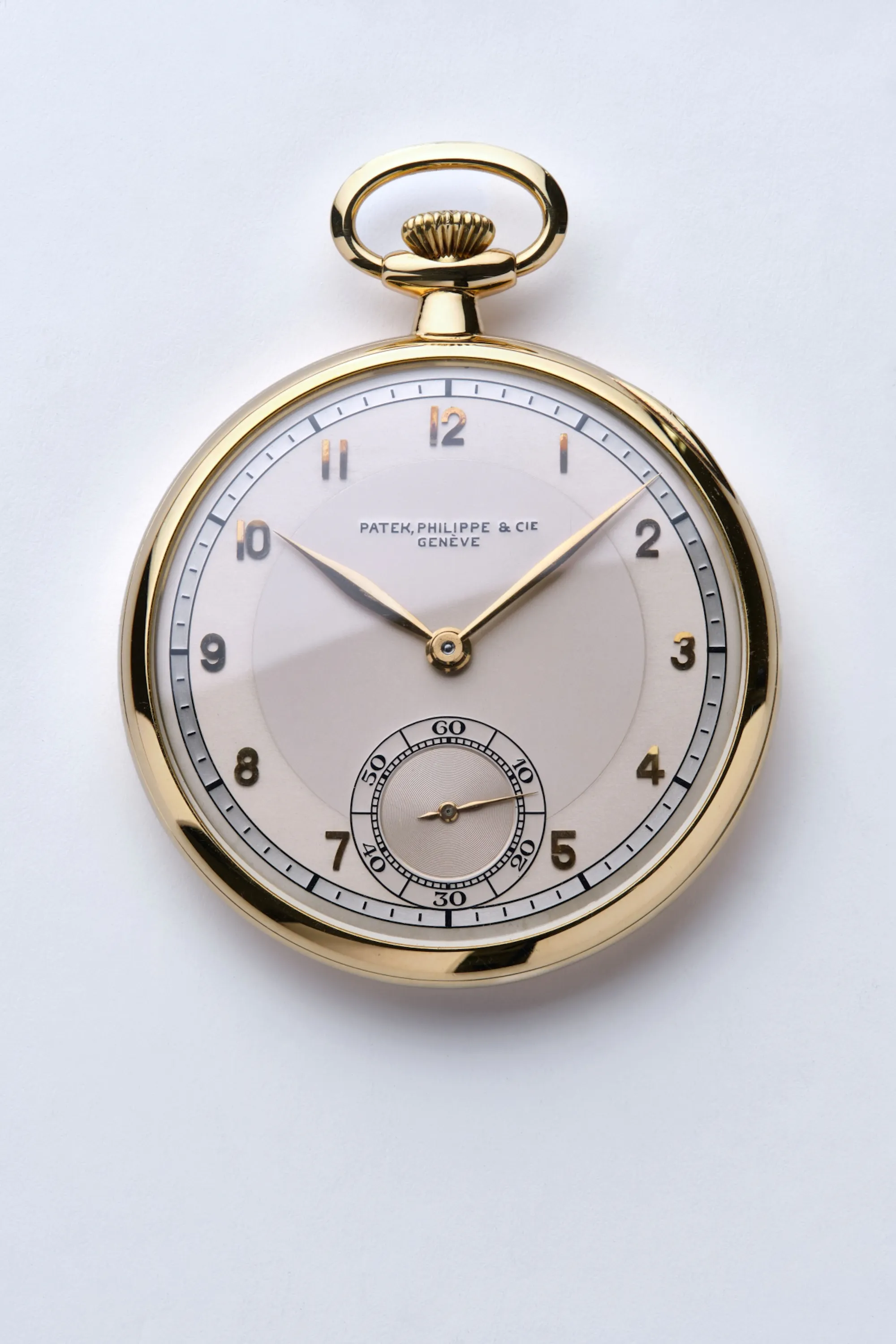
Although hard enamel endures better than ink printing, it’s not completely immune to damage during the restoration process. The presence of smaller details, like the aforementioned accent on Genève, or even a comma, usually indicates an unrestored or well-restored hard enamel dial, as these are capable of fading (or falling) off. Generally speaking, dials featuring more extensive hard enamel work are more challenging to disguise during restoration as there is greater scope for error.
Varying Examples
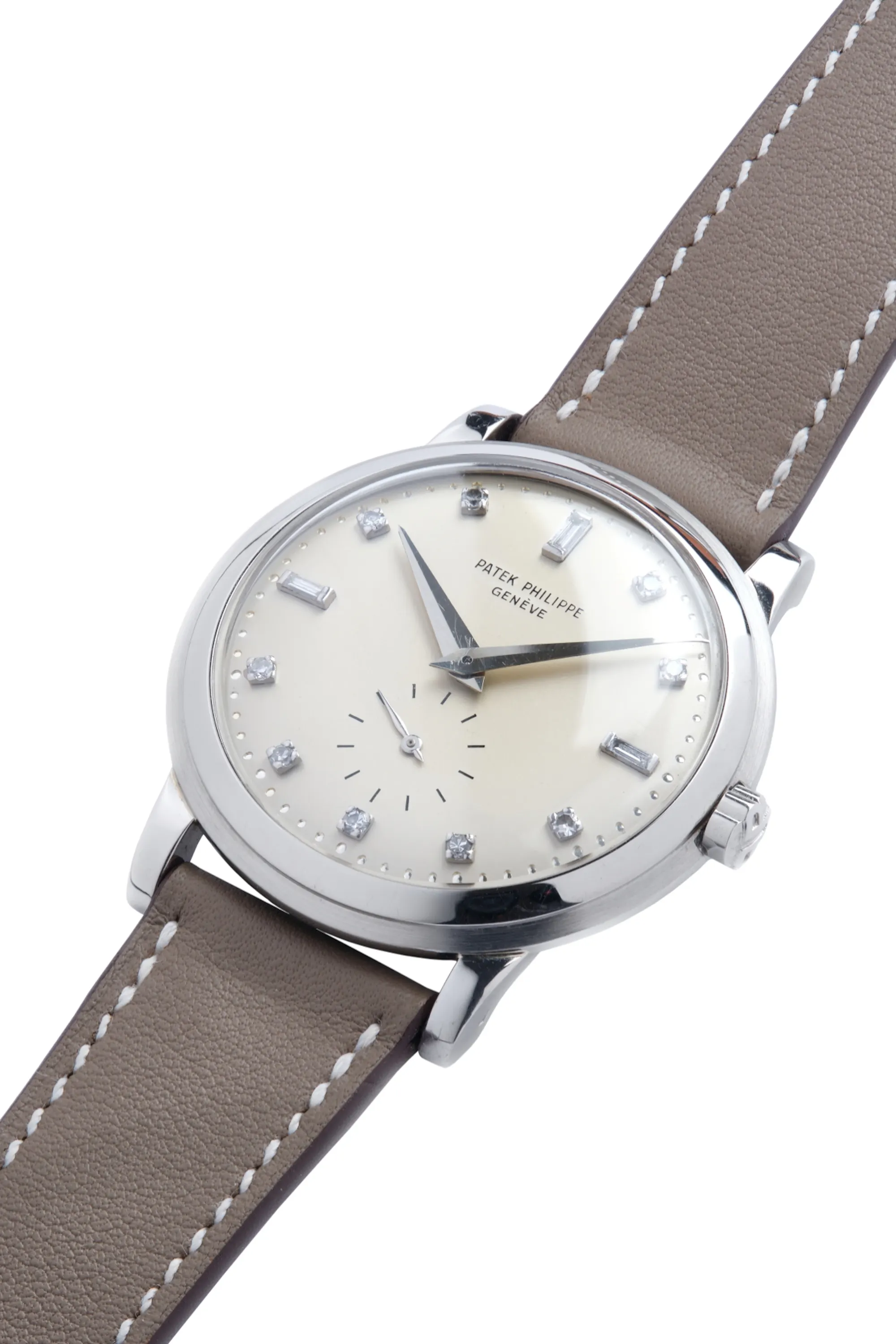
The extent to which hard enamel was used varied depending on the reference. Whilst some simple Calatrava references, such as the 96 or 2552, only featured hard enamelled signatures, other more complicated references like the 1463 ‘Tasti Tondi’, 1518 or early examples of the 2499, feature both hard-enameled tachymeters as well as signatures, giving them an additional layer of depth. Some examples of 1518 and 2499 also use a mix of engraved hard enamel for the tracks and printed enamel for the signatures.
Further additional references, such as the 2524, featured small seconds indexes in hard enamel: a subtle touch, but one which reflects the understated nature of a minute repeating wristwatch in the mid-1900s.
Phasing Out
As production increased for Patek Philippe and Créations Stern, keeping this technique alive became increasingly unrealistic. During the 1970s it was phased out of production until eventually it was no longer seen on any watches that left the Patek Philippe Manufacture. This was followed by the departure of the accent on Genève during the late 1980s, drawing a close to an incredibly special era.
While very few have tried to revive this craft, it has never quite lived up to its former glory. For the very reasons that Patek dropped hard enamelling, modern interpretations have had to cut corners in order to make the process more feasible (e.g. CNC machines are now often used to engrave the dial bases).
Many collectors long for the return of hard enameling to Patek’s dials, but the truth is, it remains more special sealed in the past – a powerful reminder that vintage watches will always offer something that their modern counterparts cannot.
[News]