[001][24.08.24]
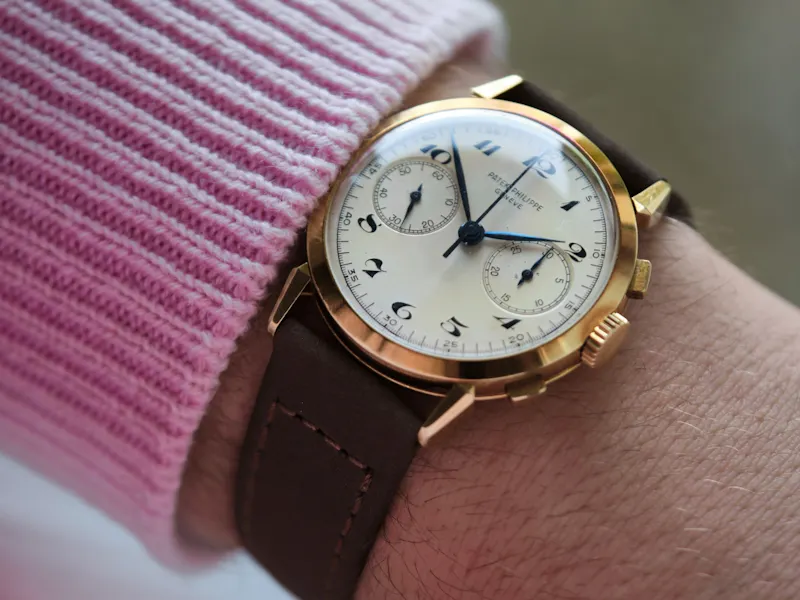
These days, there’s no way you’d find the name of any other maker involved with crafting a Patek Philippe movement, but that wasn’t always the norm. In fact, until very recently, Patek Philippe based its most celebrated watches – the perpetual calendar chronographs – on a chronograph dating back to the 1940s – the vaunted Lémania 2310.
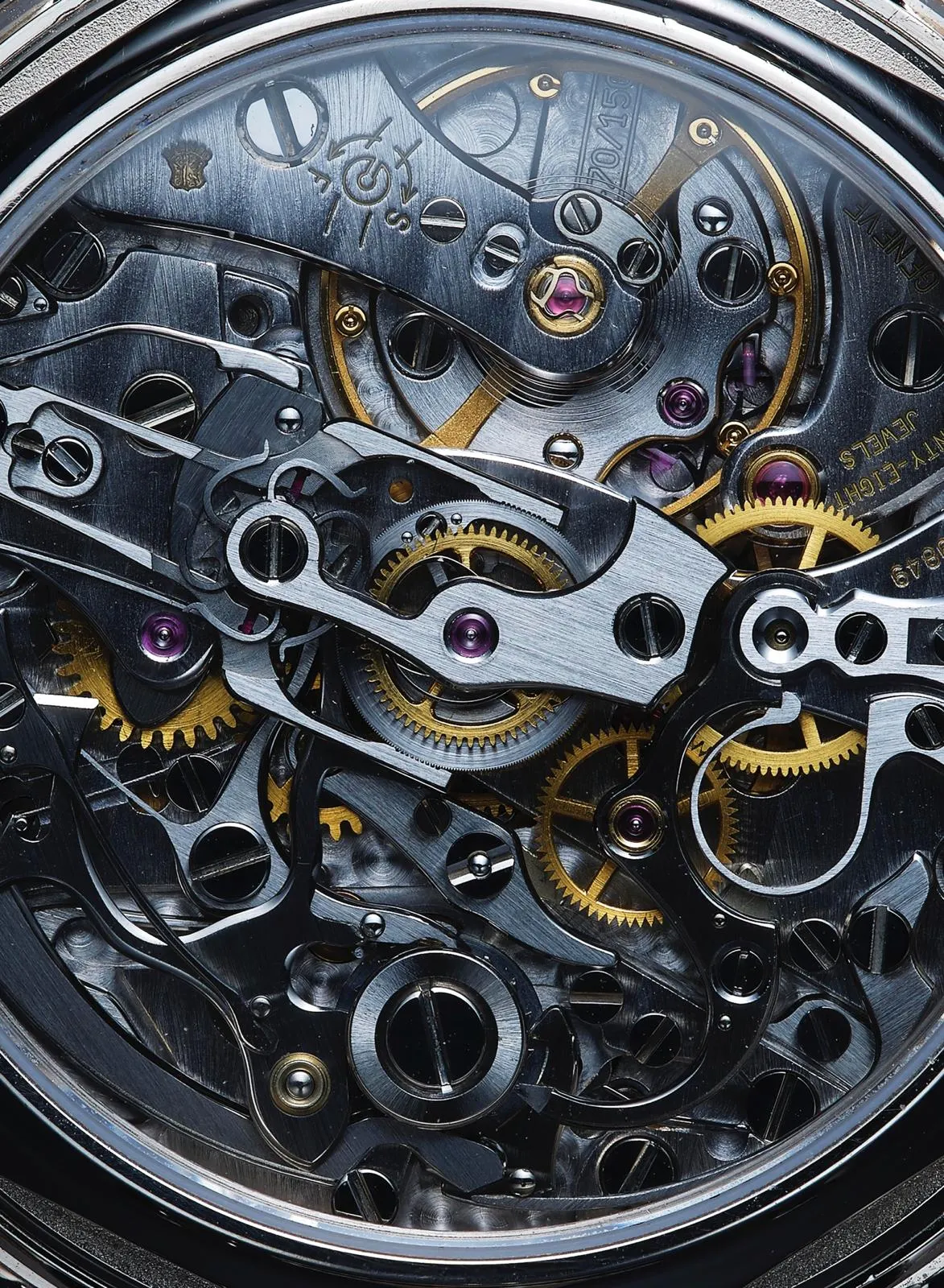
Before we get into Lémania’s relationship with Patek, it’s worth exploring why the 2320 was Henri and Philippe Stern’s movement of choice, even decades after its creation. Among the biggest triggers is the fact that the Valjoux 13-130 powering the Ref. 2499 ceased production years ago – and Patek Philippe’s supply was dwindling.
Faced with a difficult choice, the Sterns went to Lémania, asking for the calibre 2310 (or CH 27). At that time, it was already nearly four decades old, having been developed in the 1940s by Albert Gustave Piguet. Despite its famously compact size – just 27mm in diameter – the CH 27 was equipped with the full works: column wheel, horizontal clutch, large balance, and excellent adjustability.
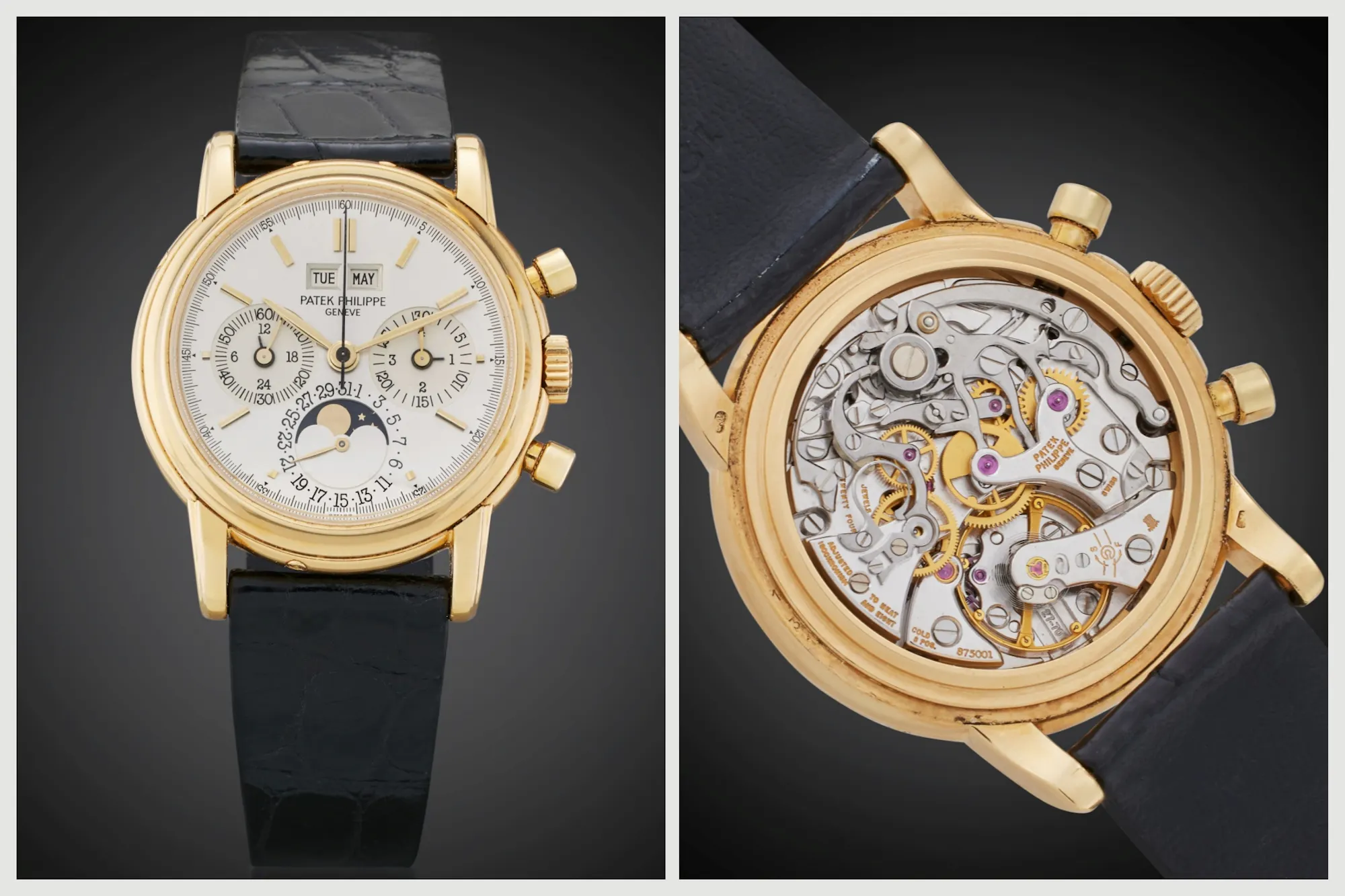
Naturally, just slapping a “Patek Philippe” engraving on a bog-standard Lémania, no matter how technically impressive, wouldn’t quite cut it. So, Patek opted for the 2320 variant of this movement – sporting 21 jewels and a ‘swan neck’ regulator – as the base for its new “Patek Philippe” Calibre 27-70.
The brand that had already become Nouvelle Lémania by this stage (a fascinating story worth an article all its own) was to supply Patek Philippe with the basic components; while the Genevan powerhouse would carry out its own modifications, assembly, and finishing. The column wheel was capped for reliability’s sake, gears were changed to allow for a new transmission ratio, and instead of the swan neck balance, Patek fitted its Gyromax (i.e. free-spring Breguet-style balance wheel), culminating in an improved power reserve of up to 60 hours.
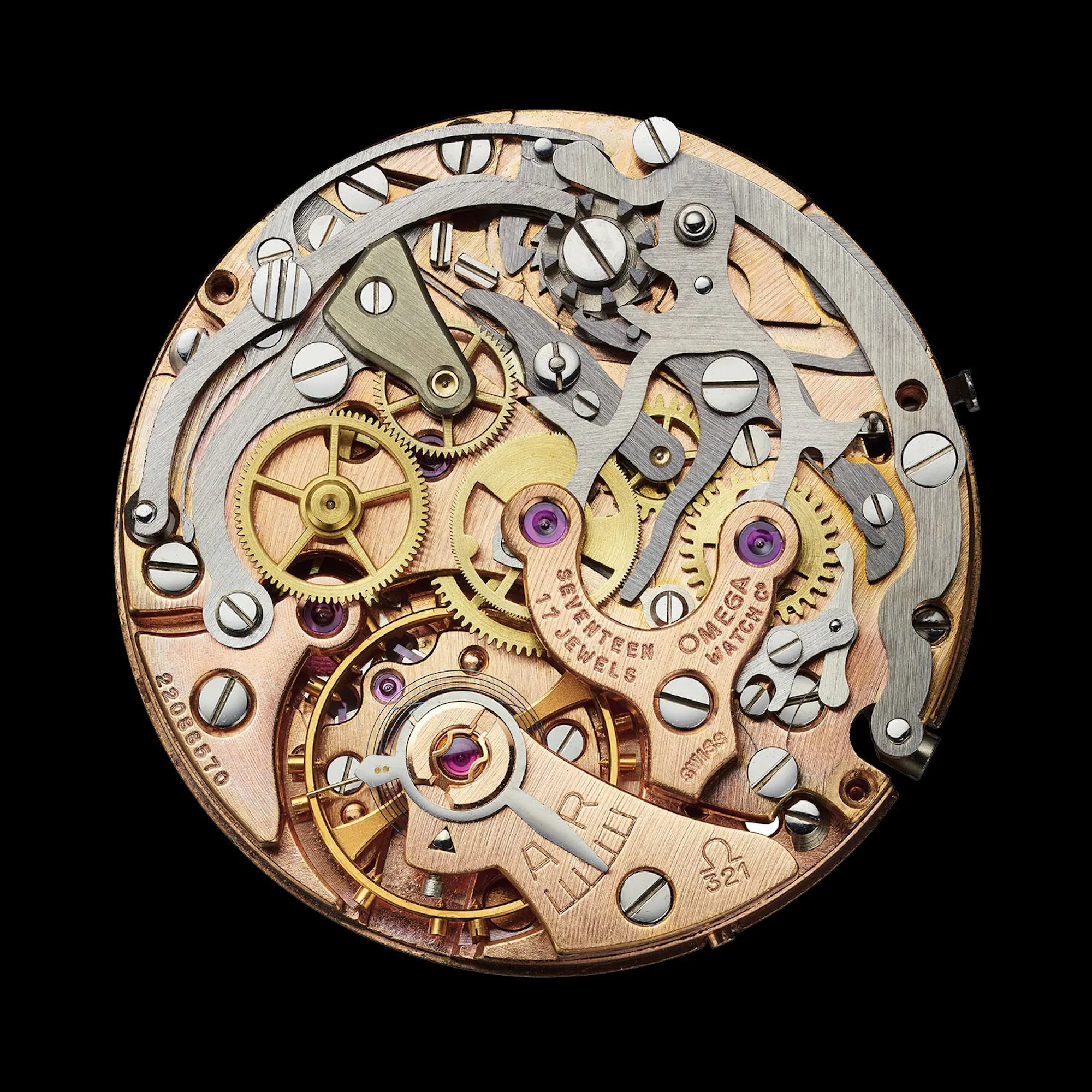
While it’s outside of the scope of this story, it’s worth mentioning that the 2310 and its many variants would become world-renowned in more than just Patek Philippe watches. Before Henri Stern ever had to worry about Valjoux turning off the tap, Omega had been to the Moon with the 2310-powered (or Calibre 321, if you want Omegaspeak) Speedy. Later, the likes of Vacheron Constantin, Breguet and Roger Dubuis (when the latter’s watches were good, mind you) incorporated it into their own collections. In fact, Vacheron continues to use the 2310 today, as an in-house produced calibre; while Breguet purchsaed Lémania outright in 1992, with the chronograph specialist coming into the umbrella of Swatch Group seven years later.
From 1986, and the introduction of the reference 3970, the 27-70 and its numerous variations would see use in a total of 10 different references, ending with the production runs of the references 5970 and 5971 in 2011.
While each of these were significant, four stand out as flagbearers for this illustrious period, and those are the ones we’ll be exploring today in more depth.
There is no better place to start than the very beginning. As Patek’s Valjoux reserves were drying up in the ‘80s, the end of the mighty, but ultra-rare, Ref. 2499 was nigh. With the new, smaller Lémania movement, Patek Philippe shrunk the case of its successor from 37.5mm down to 36mm, and would introduce two references alongside each other – the first-series references 3970 and 3971.
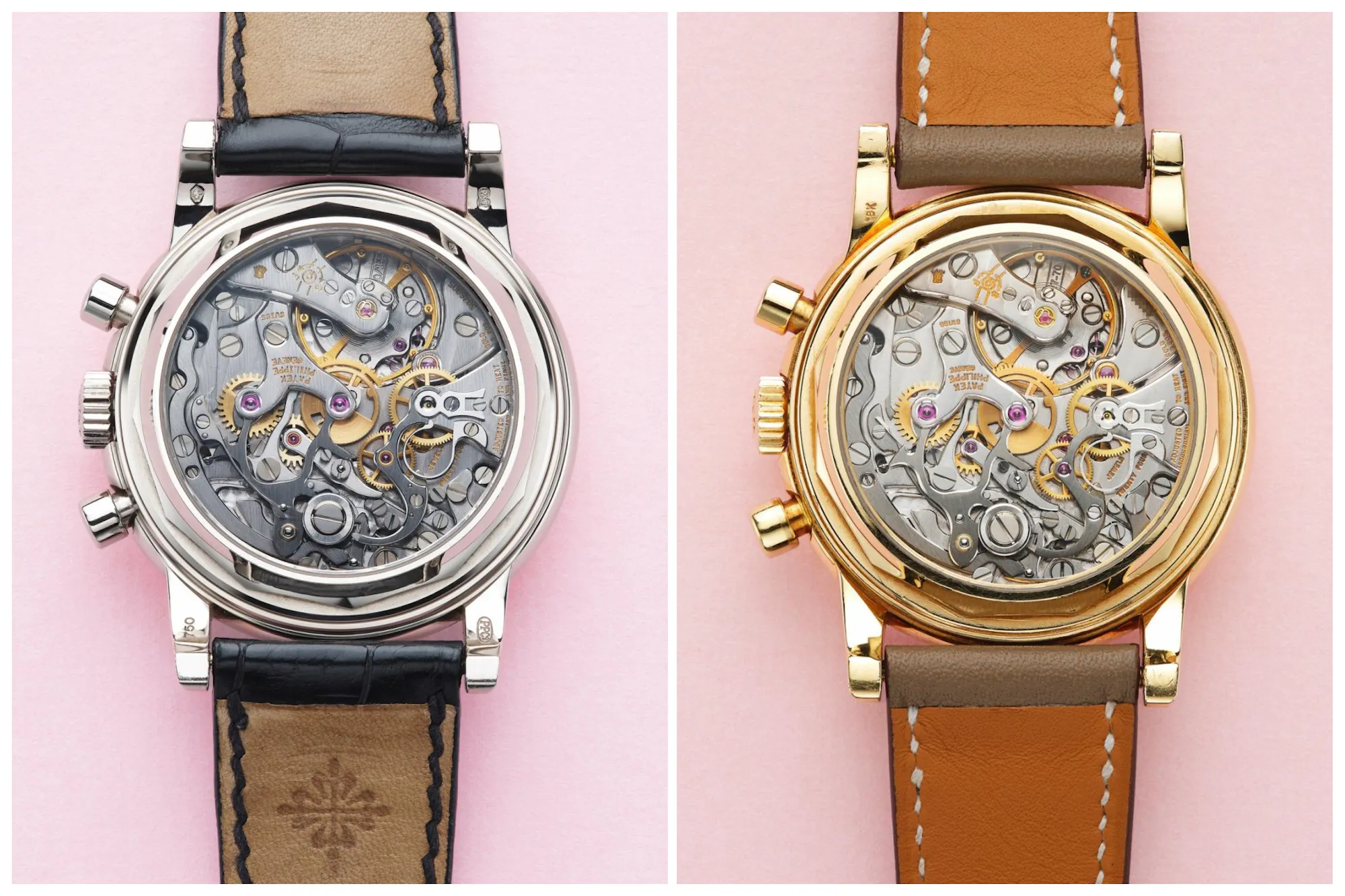
With only 100 or so examples made in yellow gold, these early references remain the most sought after (despite having a less advanced, snap-on caseback compared to the screwdown version of later series). Naturally, the Lémania-based movement was significant in its own right too – and if for any reason you thought that this was Patek settling after Valjoux supply ran out, think again. The 27-70 would become the first ever chronograph calibre to be awarded the Poinçon de Genève. Plaudits don’t get any better than that.
Patek Philippe would wait nearly a decade before following up on the 3970, eventually doing so in 1994 with the cushion-cased Ref. 5020 and 5021. While they’re cool in their own right, there was another watch that Patek released in the same year that for many represented the pinnacle of the brand’s abilities, if not all-time Patek collecting.
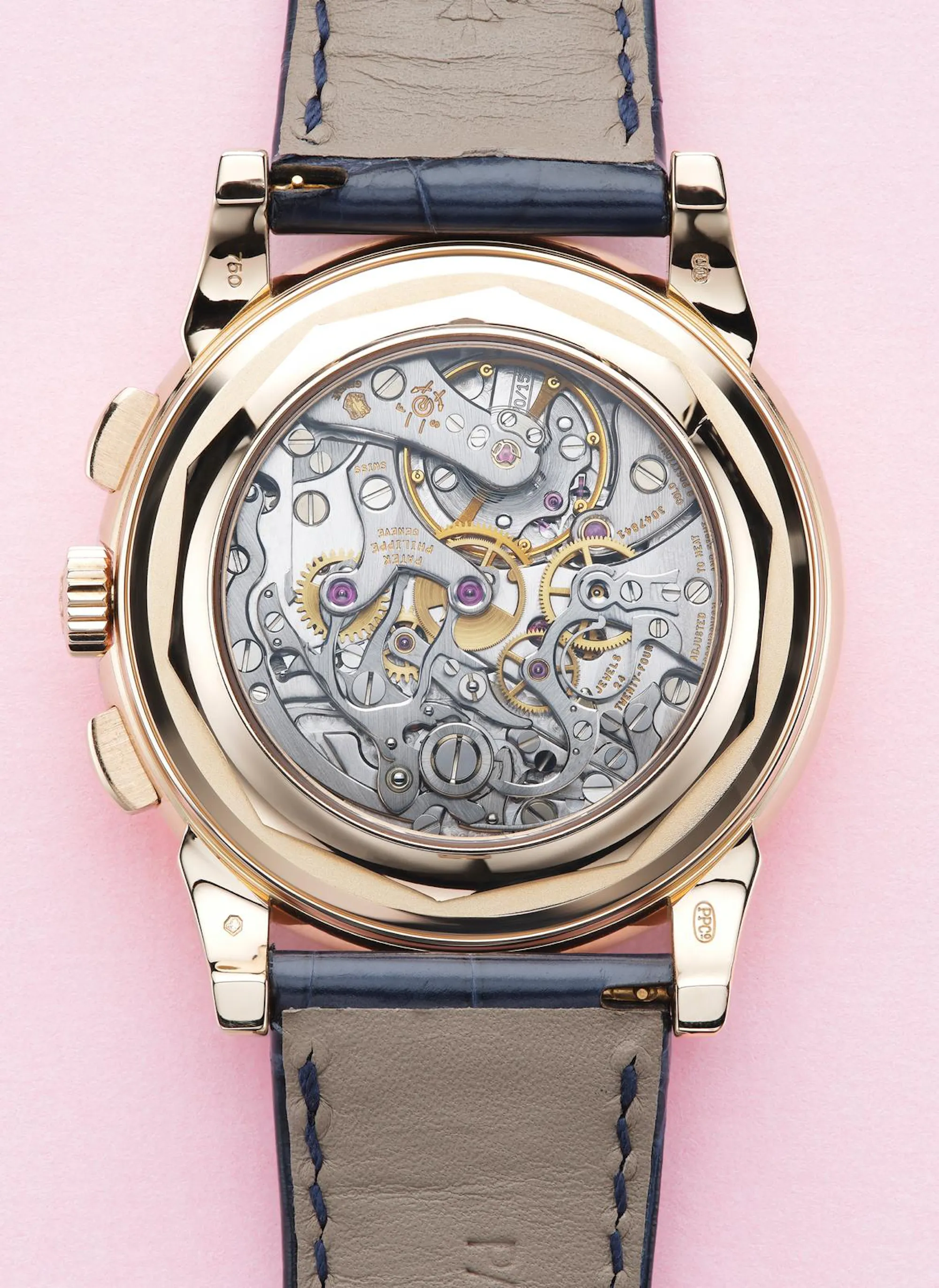
I’m talking, of course, about the rattrapante perpetual Ref. 5004. While I decline to comment about its accolades as the Patek GOAT, it’s undeniably the greatest rendition of that same Lémania chronograph movement that had been around for 50 years by this stage. Jean-Pierre Musy, Patek’s head boffin at the time, pushed the 3970’s movement to its limits, overcoming the issue of insufficient torque with a patented isolator (though issues of fragility remained). The case had to grow to 36.7mm across, and even more significantly in thickness, with both a sapphire and solid caseback included in the box akin to 3970s sold in that era.
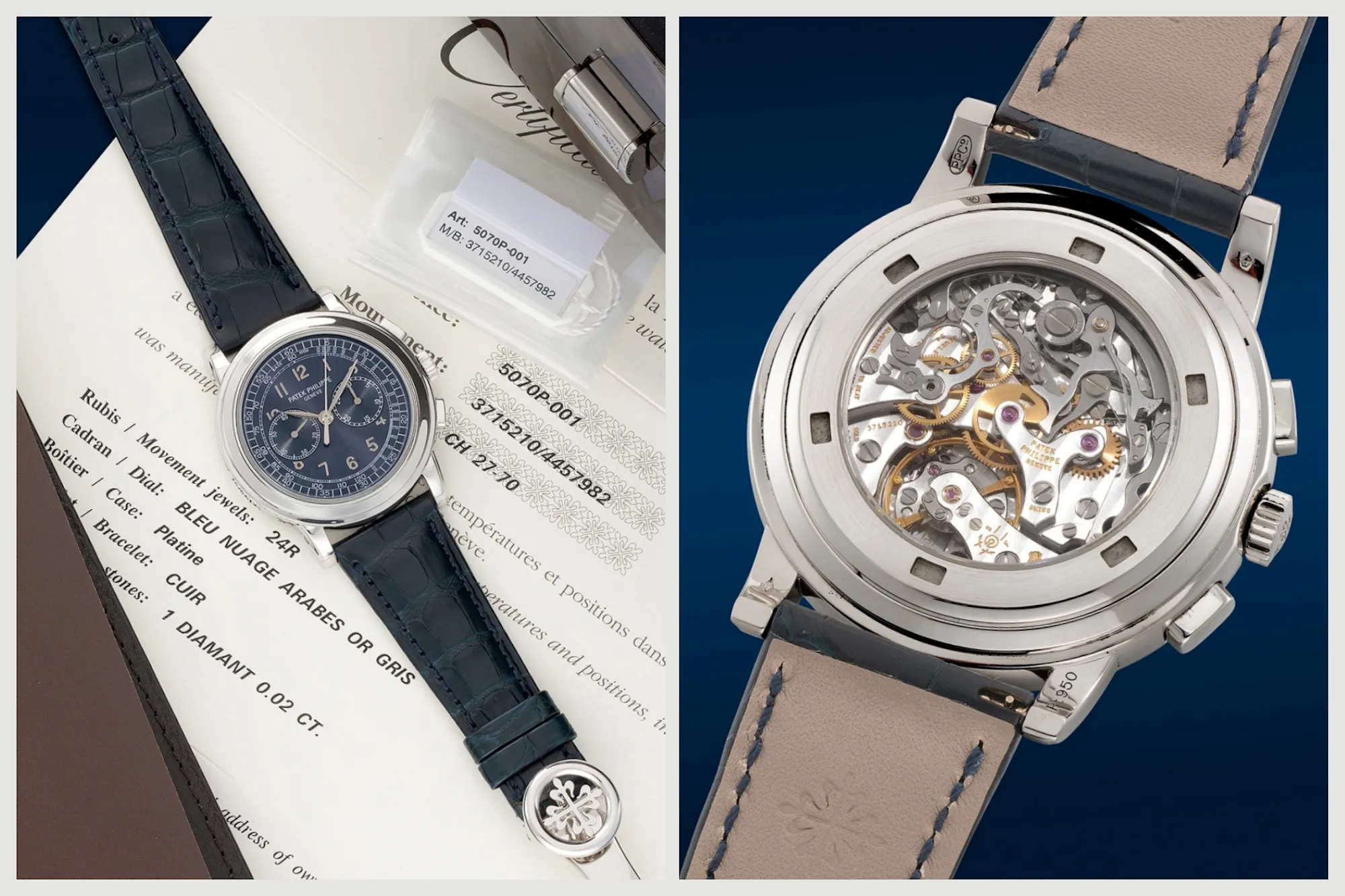
The least complicated, but in many ways most modern, of this bunch is the Ref. 5070 dual-register chronograph unveiled in 1998. It also brought a significant complication back into the catalogue, as the manually wound chronograph had been absent since the discontinuation of the Tasti Tondi in 1965. Taking inspiration from that very watch, the 5070 grew in size significantly – despite not really needing to – sporting a 42mm diameter and 11.6mm thickness.
This represented a significant step from Patek, as it was their largest watch save for a possibly unique piece from the 1950s, rivalling the likes of the Royal Oak Offshore and Panerai Mare Nostrum. As a result of this size increase, however, I can’t help but think that the 27-70 – now in its purest form – looks like it’s hiding in an undersized porthole with vast plains of caseback surrounding it. WIth all that extra perpetual stuff now removed, however, you could better appreciate the decoration, the hand-finished inner angles being the highlight.
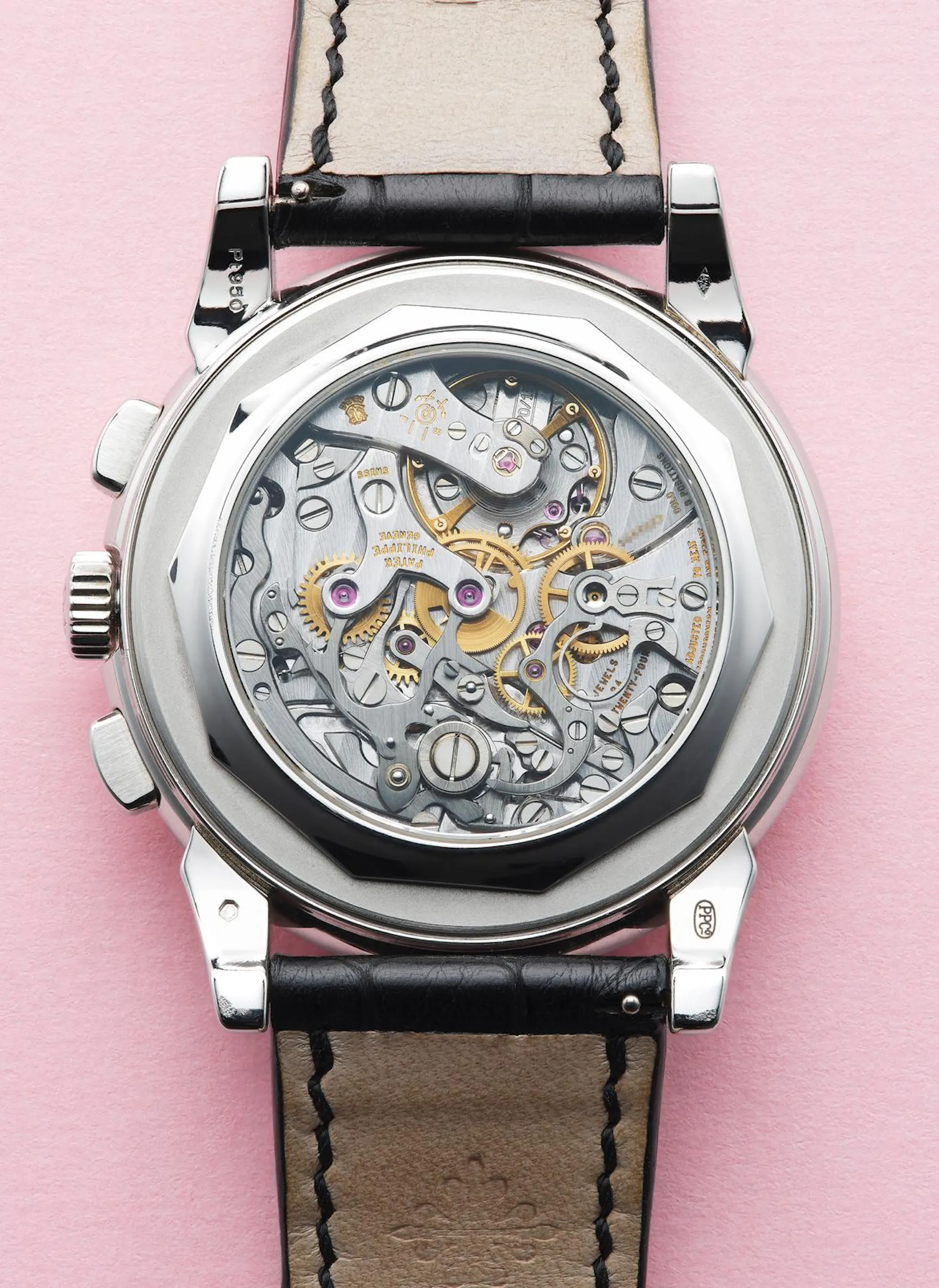
While the 5070 helped Patek cross into the new millennium, the watch that welcomed them into this new era with open arms was also the last to feature the legendary Lémania. The 5970 was the true successor of the 3970, clearly taking learnings from the watches in between, and playing the greatest hits. And this is Patek Philippe we’re talking about, so rest assured – the hits were great indeed.
The 5070 lent its large diameter and square pushers, while the case design modernised that of the 3970 to make a modern Patek perpetual chronograph. With this came more dial space, too, inciting Patek Philippe to bring back the tachymeter scale that defined its earlier models. After a short, six-year production run ending in 2010, the 5970 and 5971 (the blingy one) and their many commemorative editions and “possibly” unique special orders served as the perfect guard of honour for the Lémania 2310 which was finally being retired.
After 25 years of service at Patek Philippe and six decades since its introduction, it was time for it to pass on the mantle to the brand’s in-house movements. For collector fiends like you and me, however, it was a fitting way to wrap up a legacy spanning grail after grail.