[001][02.05.21]
[Written by THOMAS WOJTOWICZ]
THEY SAY OLD IS GOLD BUT IS IT ALWAYS ?
In the late 60’s and early 70’s the Swiss watch industry was about to enter dangerously choppy waters. The development of the more accurate battery powered quartz movement in japan heavily undermined the role of the mechanical watch. Combined with Seiko’s ability to mass produce…
In the late 60’s and early 70’s the Swiss watch industry was about to enter dangerously choppy waters. The development of the more accurate battery powered quartz movement in japan heavily undermined the role of the mechanical watch. Combined with Seiko’s ability to mass produce these movements and reduce unit cost, the mechanical watch was almost carrying its belongings out of Switzerland in cardboard box. But instead, this is when the era of the stainless steel luxury sports watch began, and three brands in particular helped kick it off.
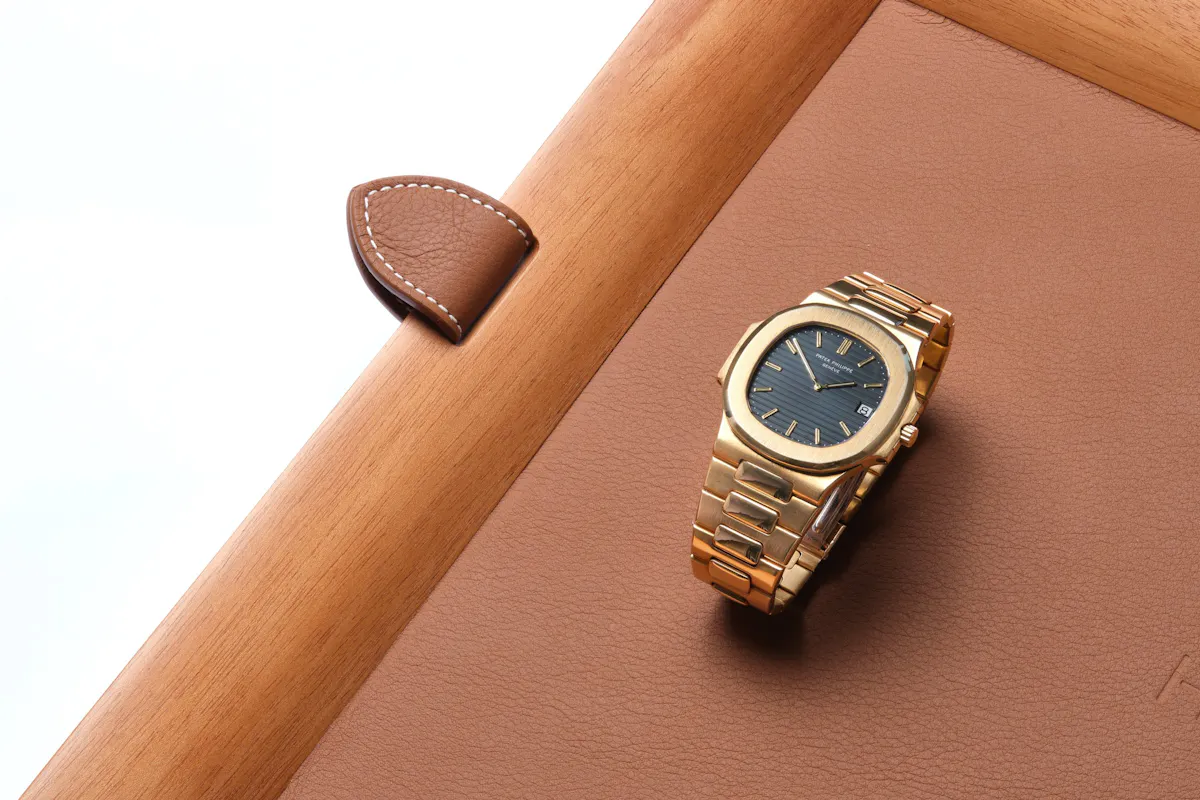
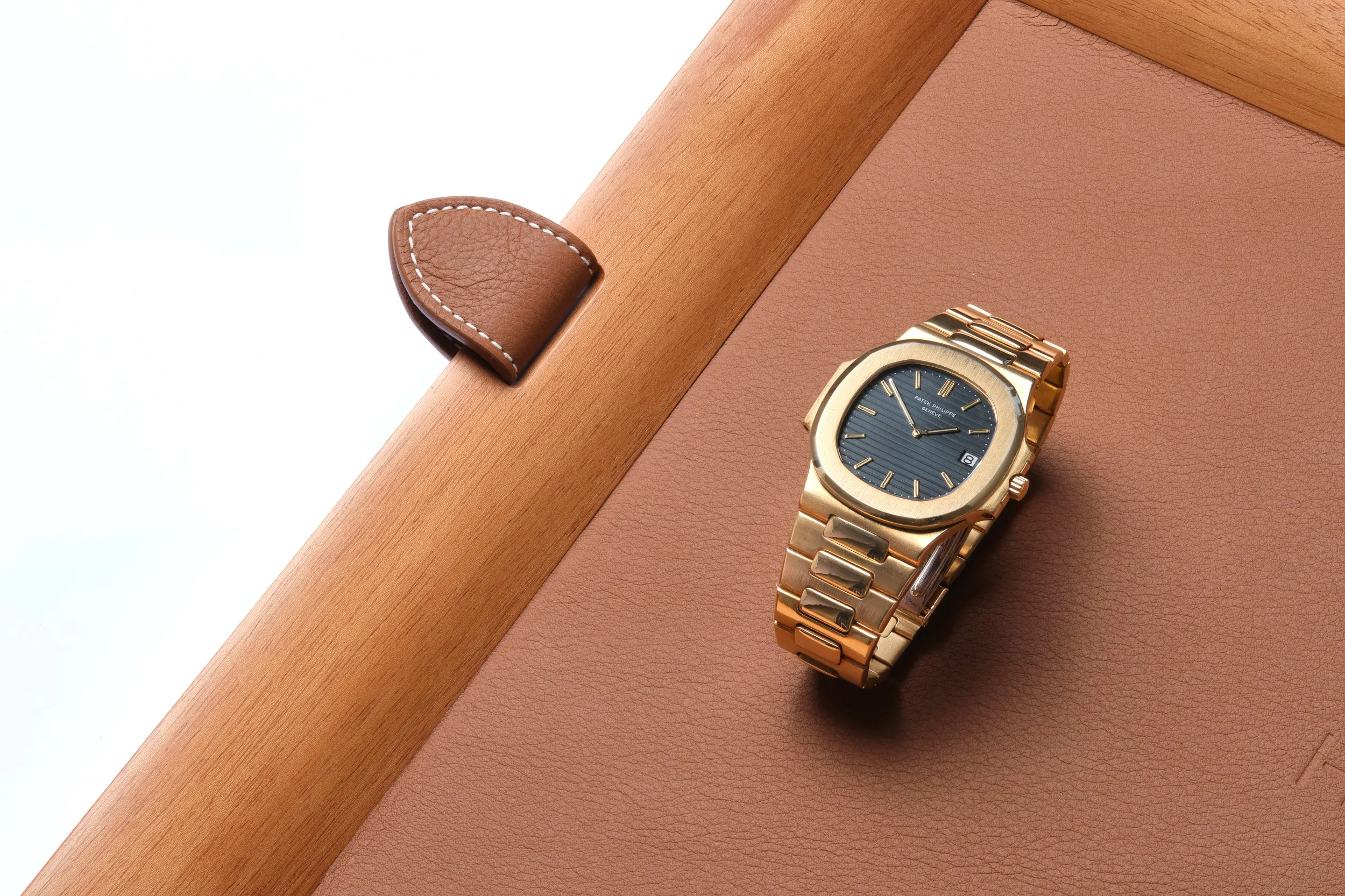
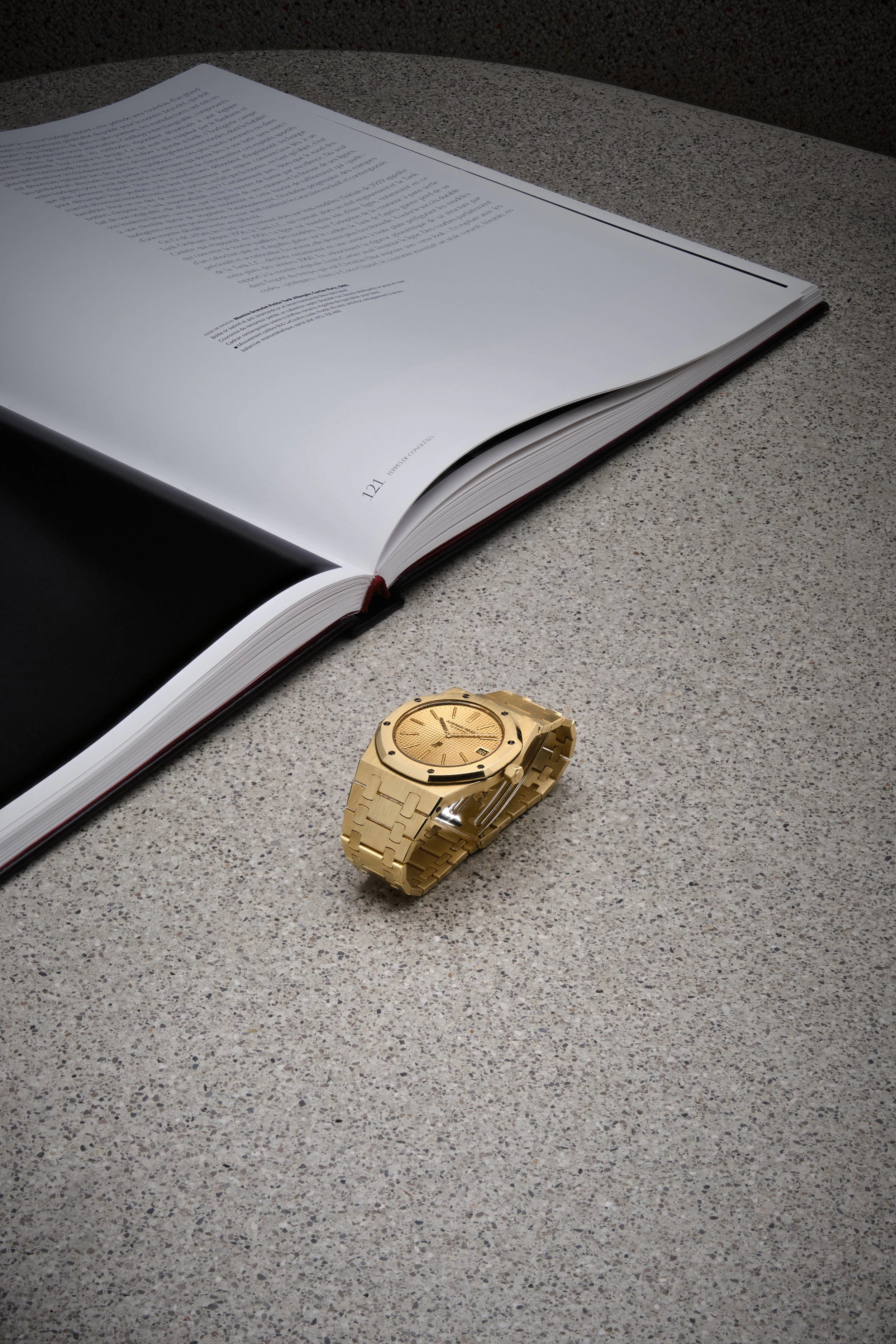
In 1972 after supposedly one night of designing, probably with a glass of whiskey or three, Gerald Genta and Audemars Piguet presented the very first Royal Oak: ref. 5402. This was the beginning of what we now know as the luxury sports watch. In 1976, four years later after having his Nautilus napkin design snubbed by Piaget, Genta’s first Nautilus was released by Patek Philippe: ref. 3700. It wasn't until 1977 when the Vacheron Constantin 222 became available, designed this time by German watch designer Jörg Hysek who wanted a slice of the Jumbo sports pie. These three watches became great icons and helped to create what we know today as the holy trinity.
They all housed the same movement, or their own variations of it. The revolutionary calibre-920 by Jaeger LeCoultre, the worlds thinnest self winding date driving movement ever. As thin as it was, it was also 29 mm wide and commanded larger case sizes, known as ‘Jumbo’s’.
The Royal Oak 5402 came in at 39 mm and housed calibre 2121, Audemars Piguet’s version of the JLC 920. The Nautilus 3700 was a whopping 42 mm, using calibre 28-255C, Patek Philippe’s version, and the 222 came in at a somewhat modest 37 mm compared to the other two. It used the calibre-1120, Vacheron Constantin’s version of the JLC movement. In all intents and purposes however, they were the same movements. They all had the same 40 hour power reserves and lacked a central sweeping seconds hand, an iconic feature of any Jumbo.
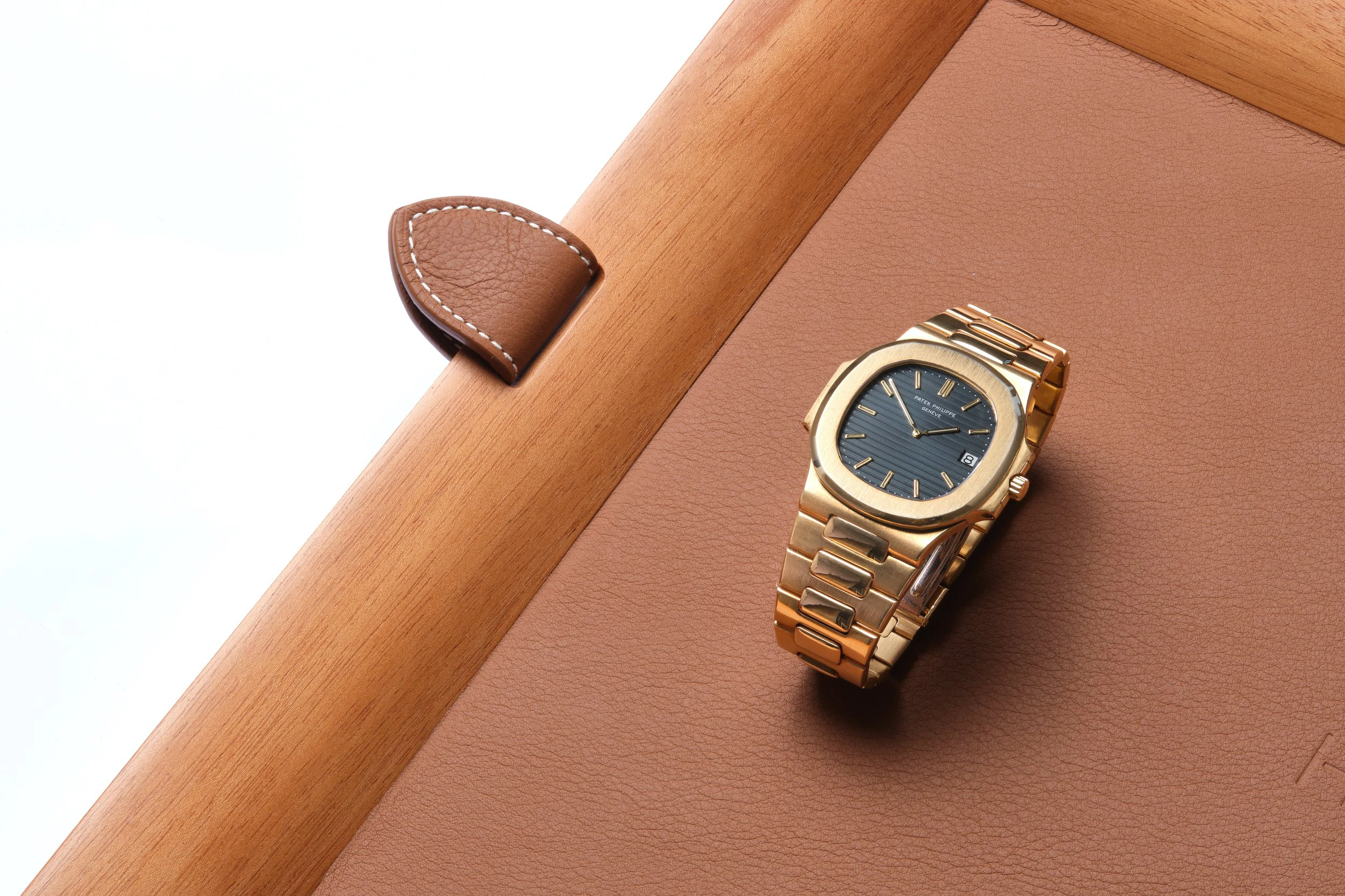
Once every day sports watches, these three iconic references have now grown delicate in their maturity, especially in the bracelet department, making them less of an every day option. The Royal Oak for example, carries a lot of bracelet bend (more than the others) because of its two small centre links. Having never handled an original 222, I cannot comment on this particular issue. I do however find that the 3700 succumbs less to this than perhaps expected, possibly because of its larger single centre links. In a precious metal it still carries significant heft and robustness allowing it to be worn to some extent as a contemporary sports watch, with condition of course being of upmost importance. As well as that, with watch cases getting larger again it seems as though the 3700 never really left at all. It ticks both boxes better than the others: the vintage icon and the wearable sports watch.
The collectability of these three icons varies significantly as they were all produced in different variations. A rule of thumb however is production numbers. The 222 had the shortest production run of only 8 years, and was produced just 500-700 times compared to the 5402 and 3700 being produced approximately 6000 and 5000 times respectively. Arguably this makes the 222 the most collectible, on paper. That being said, to see any of these in the flesh today is by any standards an uncommon sighting. One only purchases a 5402, 3700 or 222 at a certain point down their path in collecting watches (very far). It’s important to first understand the revolutionary effect that these three watches had in paving the way for the future of mechanical sports watches, especially the 5402. They act as a stamp of true enthusiasm amongst the most appreciative of collectors, separating them from those who simply clog up the waiting lists for a new watch.
The following 28 years after the inception of the Royal Oak saw Audemars Piguet produce the Jumbo references 14802 and 15002. Patek Philippe also released various references throughout this period, such as the 3800 and 3711. It wasn't until the very early 2000’s that the modern era of Jumbo sports watches from Audemars Piguet and Patek Philippe began. The Royal Oak ref. 15202 and the Nautilus ref. 5711 were released in 1999/2000 and 2006 respectively.
These were the two watches that had the biggest impact on me, perhaps because they were the models in production when I become uncontrollably addicted. Either way they both balanced sports and elegance like a coin on a rolls Royce engine. Vacheron Constantin later released the 222 historiques in 2022 as a tasteful reinterpretation of its original 1977 icon.
[News]