[001][02.02.23]
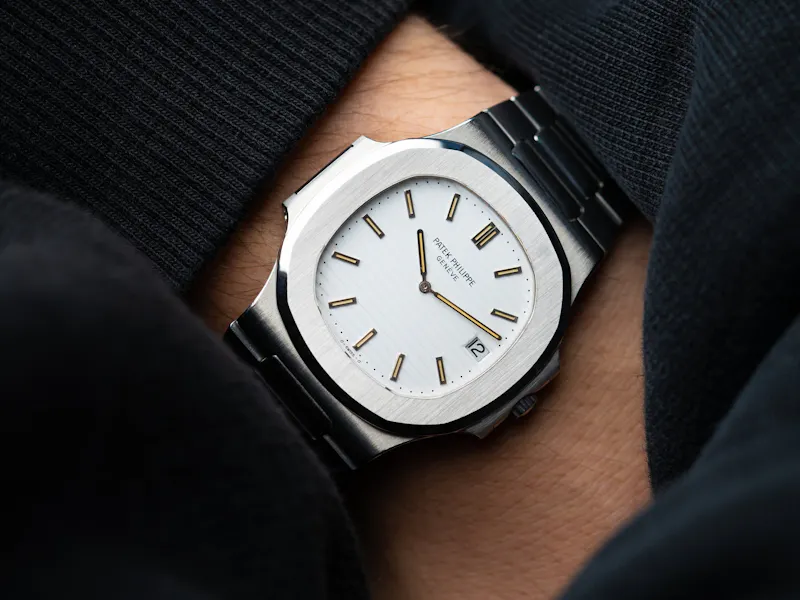
Our London-based contributor lays bare the meaning behind the hammers and keys etched into the metal of your go-to Patek grail — complete with a nifty index for quickfire reference...
Throughout Patek’s history, the brand has relied on a multitude of suppliers for important components such as bracelets, cases, and even whole ébauches. Amongst these, case makers are a frequent topic of discussion, probably due to the huge amount of variation seen between them, even within the timeline of individual references – a prime example of this is the vaunted Ref. 2499, for which Patek enlisted no less than three different case makers.
There’s already a lot of in-depth information out there about the various case makers for Patek Philippe, but we wanted to build something more concise, akin to a quick-reference guide (see below), summarising each of the key case makers and some of the crucial references they oversaw production of.
The introduction of Switzerland’s Precious Metals Act 1934 required all Poinçons De Maître Collective (one of six collective makers' hallmarks) to be registered with the Central Bureau for the Control of Precious Metals in Bern. In total, six collective makers’ marks required registration, but only two are really relevant to a discussion about the top case makers for Patek.
[ Name ] | [ Image ] | [ Indication ] | [ Other info ] |
|---|---|---|---|
Hammer head (no handle) |
| For gold, platinum, and palladium cases made within Switzerland but outside Geneva | In the context of Patek Philippe, hammer usually indicates a casemaker based in La Chaux-De-Fonds |
Key of Geneva |
| For gold, platinum, and palladium cases made within Geneva. Measuring a thickness of 0.3mm. | N/A |
Founded by Andre and Edouard Wenger, Wenger is widely considered the most important 20th century Patek Philippe case maker, responsible for a wide range of references throughout the ‘Golden Era’ (as it’s referred to by collectors nowadays).
In the early 1950s, Wenger began producing cases for the iconic 2499 reference – the grail of perpetual calendar chronographs. The earliest example of Wenger-made cases began to appear late into production of the 2499’s first series, after the company took over from the previous manufacturer, Emile Vichet (see Key 9). Wenger produced cases all the way until the late fourth series (or 2499/100) in the mid 1980s, when Patek shifted production to their newly acquired in-house case maker Atelier Réunis [see Key 28].
Wenger also produced other perpetual calendar cases throughout this period, such as those for the watertight 2438/1, as well as the vast majority of cases for the 2497.
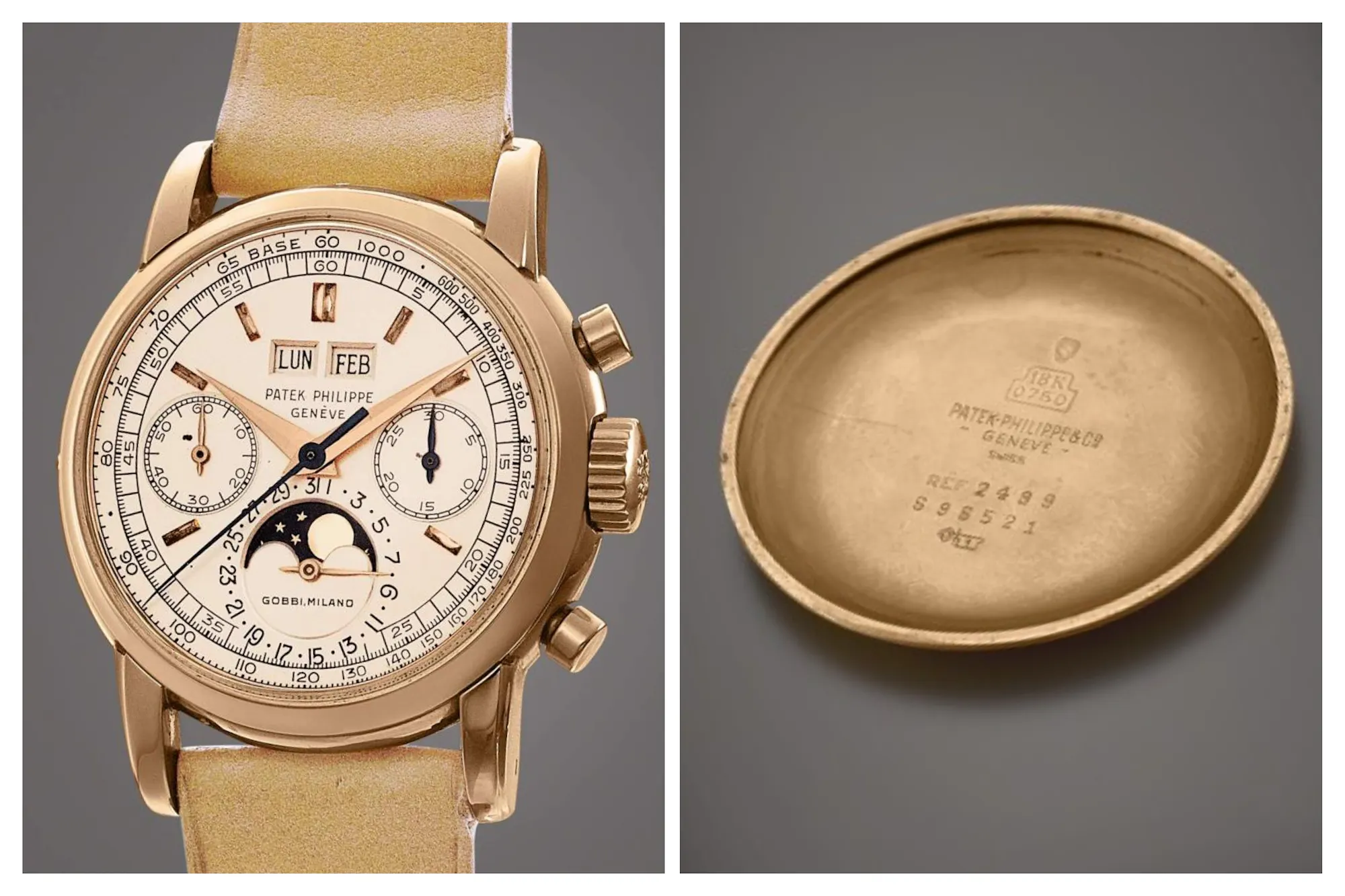
Baumgartner produced cases mostly for time-only watches, such as the Calatrava or Golden Ellipse collections. The most famous of these is probably the Ref. 2526: the first serially produced automatic wristwatch from Patek Philippe, fitted with a grand feu enamel dial.
The 2526 is an extremely collectible Calatrava, with numerous examples sold via South American retailers renowned for their impressive bracelets, notably including the ‘brick’ and ‘lobster’ styles, adding to desirability.
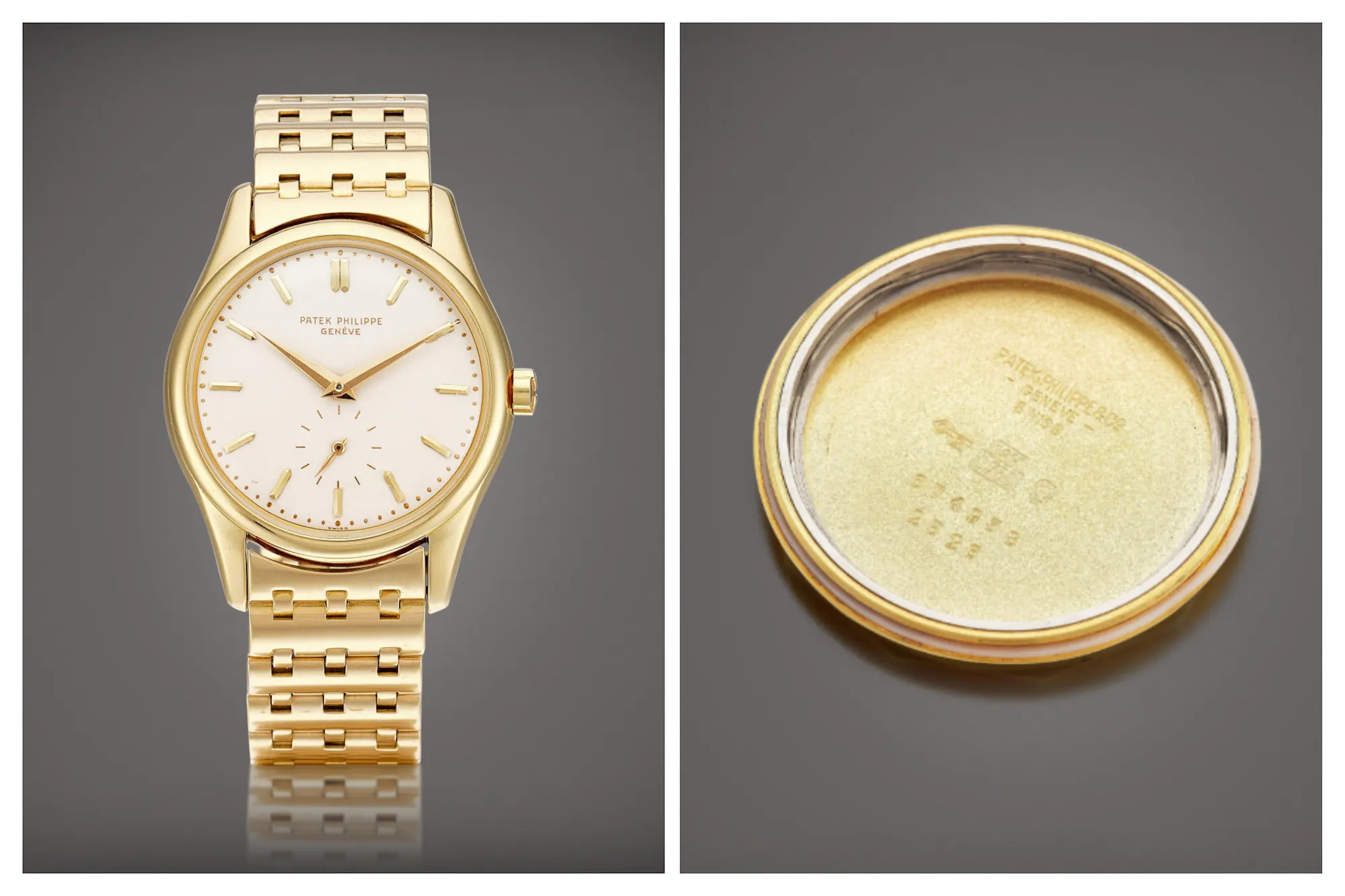
Antoine Gerlach was known for his angular approach to case production – often sharp and faceted. Gerlach was responsible for some of the early Calatrava references, such as the 96 and 570, both introduced in the 1930s.
However, Gerlach is most famous for designing the cases used in production of the legendary reference 2523: the most coveted enamel worldtimers in Patek’s history. Along with this, he produced the cases for the later 2523/1, both of which are covered in our deep-dive article.
Gerlach also produced cases for the Ref. 3448: an automatic twin-aperture perpetual calendar introduced in 1962 as the first of its kind in serial production.
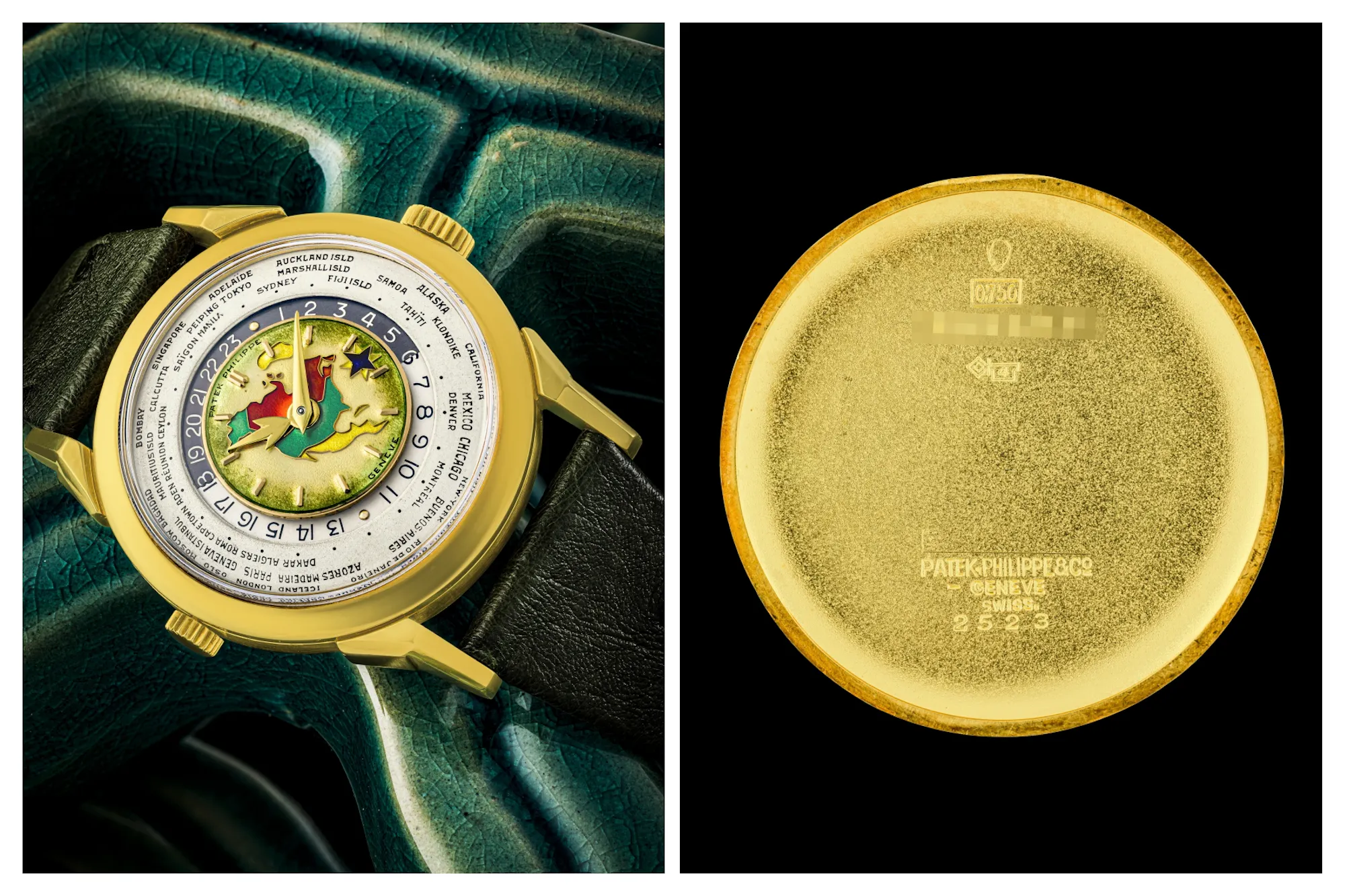
George Croisier is an interesting addition to our guide, to say the least. It appears Patek gave Croisier the specific mandate of manufacturing steel cases, such as those of the Ref. 130, the brand’s first serially produced chronograph wristwatch.
Croisier also made cases for three of the four steel 1518 references in the early to mid 1940s, but just those. The last one to reach auction notably sold for $17.6 Million in 2025. A couple of years later, Croisier produced the case for the unique 1526 in steel, which last sold at auction in 2008 for just shy of $4 Million.
François Markowski is renowned for producing possibly some of the most peculiar cases for Patek Philippe. Key highlights include production of the shaped cases modeled after Gilbert Albert’s designs – mainly the asymmetric, triangular-shaped Ref. 3412 and the asymmetric Ref. 3424. Both of these have grown hugely in collectability over recent years.
Here’s where it gets really interesting for Markowski – the ‘turtle’ collection. This group of watches from the mid-1900s is characterised by its impressively extravagant cases and lugs. These references fall between 2546 and 2550, each with their own unique artistic flair. Markowski made the cases for all of them and – with the benefit of many years of hindsight – it’s safe to say, there’s still nothing quite like them.
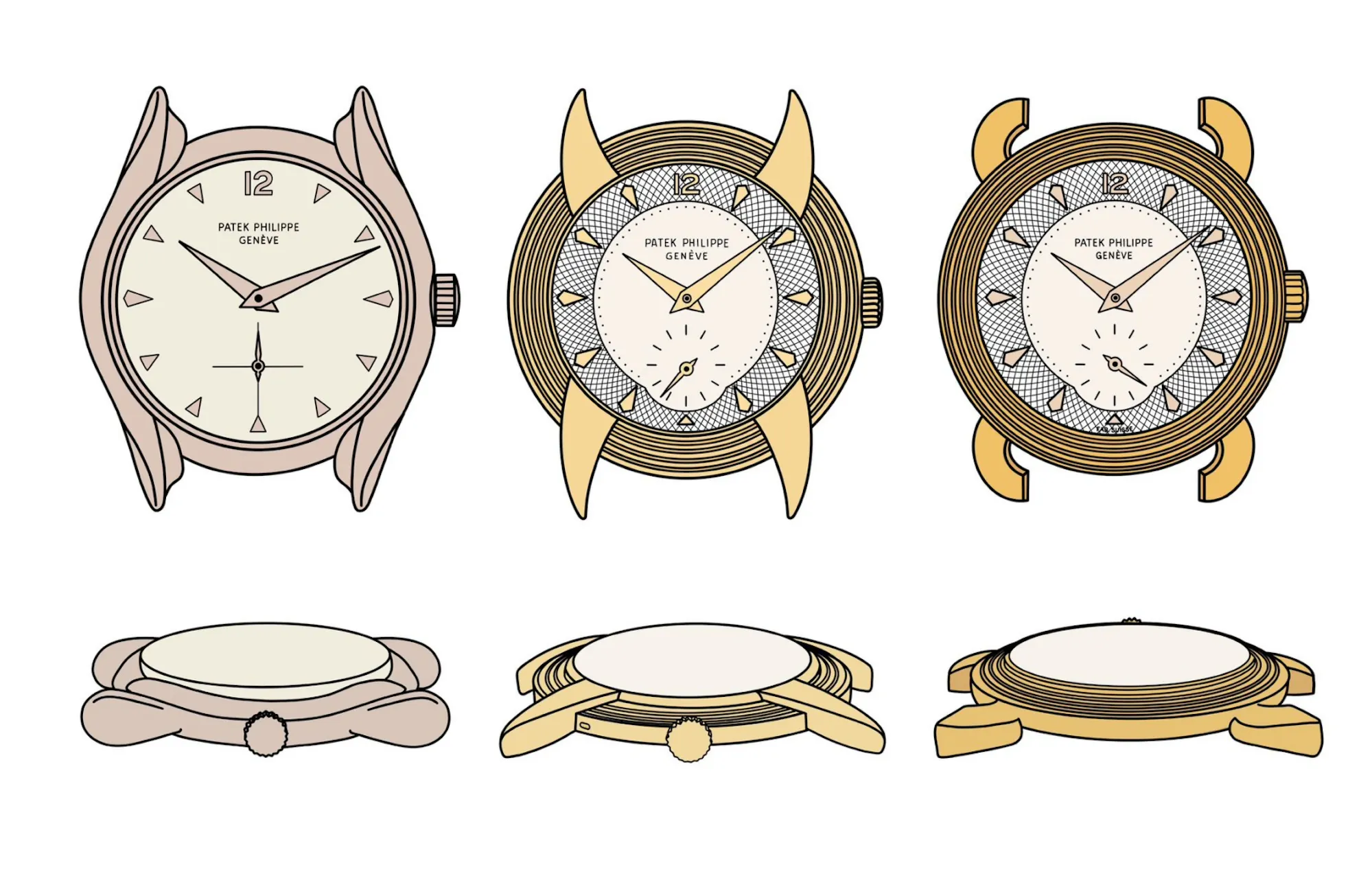
Vichet is among the case makers most prolifically associated with Patek, having been responsible for an array of the maison’s different references throughout the mid-1900s.
Vichet produced gold cases for chronographs like the Ref. 130 and 1436, as well as for perpetual calendars including the 1526 and earlier 2497 examples. The marriage of these two complications, in the guise of Ref. 1518 in 1941, also saw Vichet become the primary case maker, along with its successor, of the 2499.
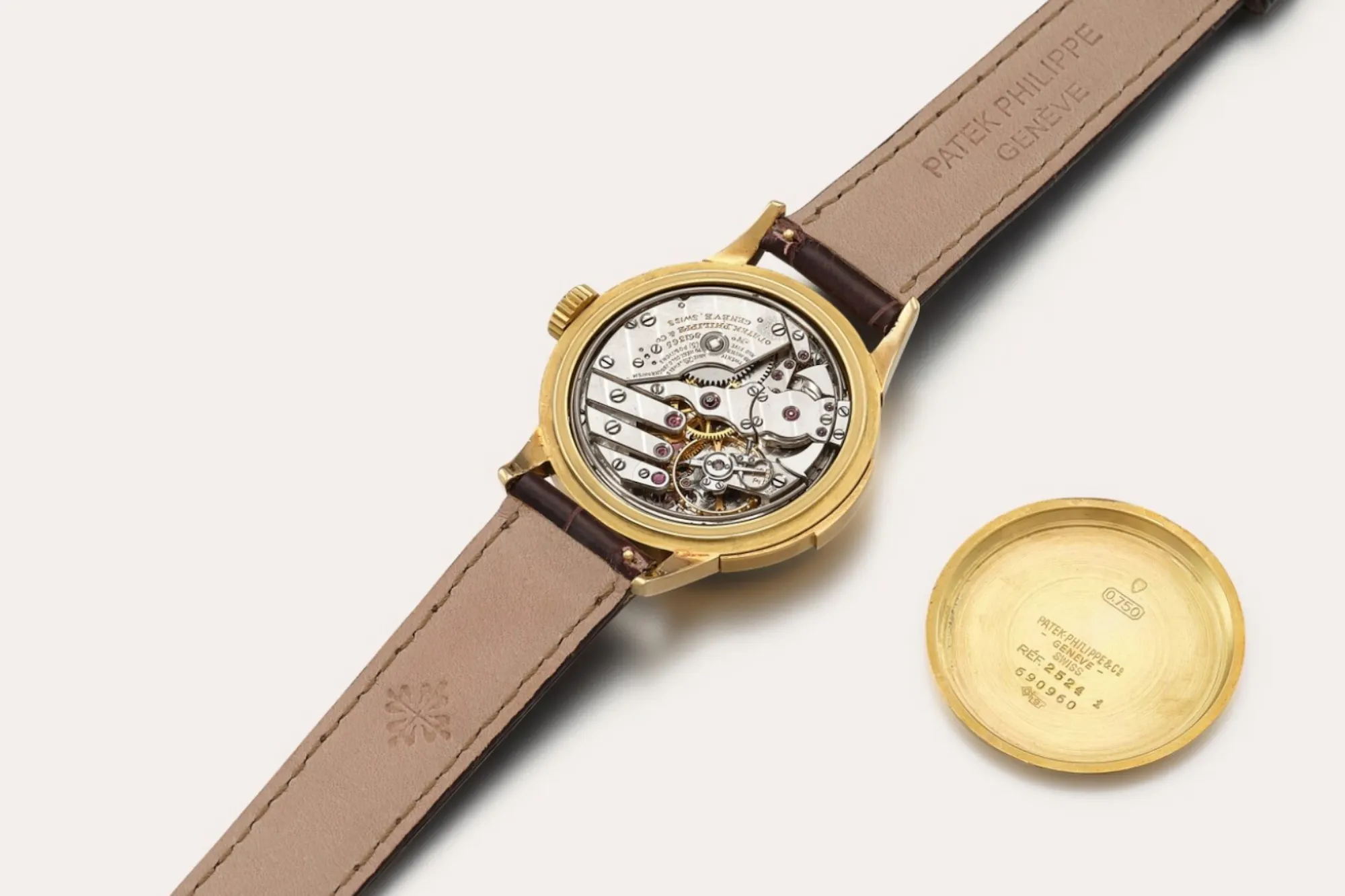
Vichet also made cases for even more complicated wristwatches, like the minute-repeating 2524 (and 2524/1), which was the only serially produced repeater during the vintage era. The company went out of business in the 1960s, making room for Wenger to take over as primary supplier of cases for Patek’s most coveted and emblematic references.
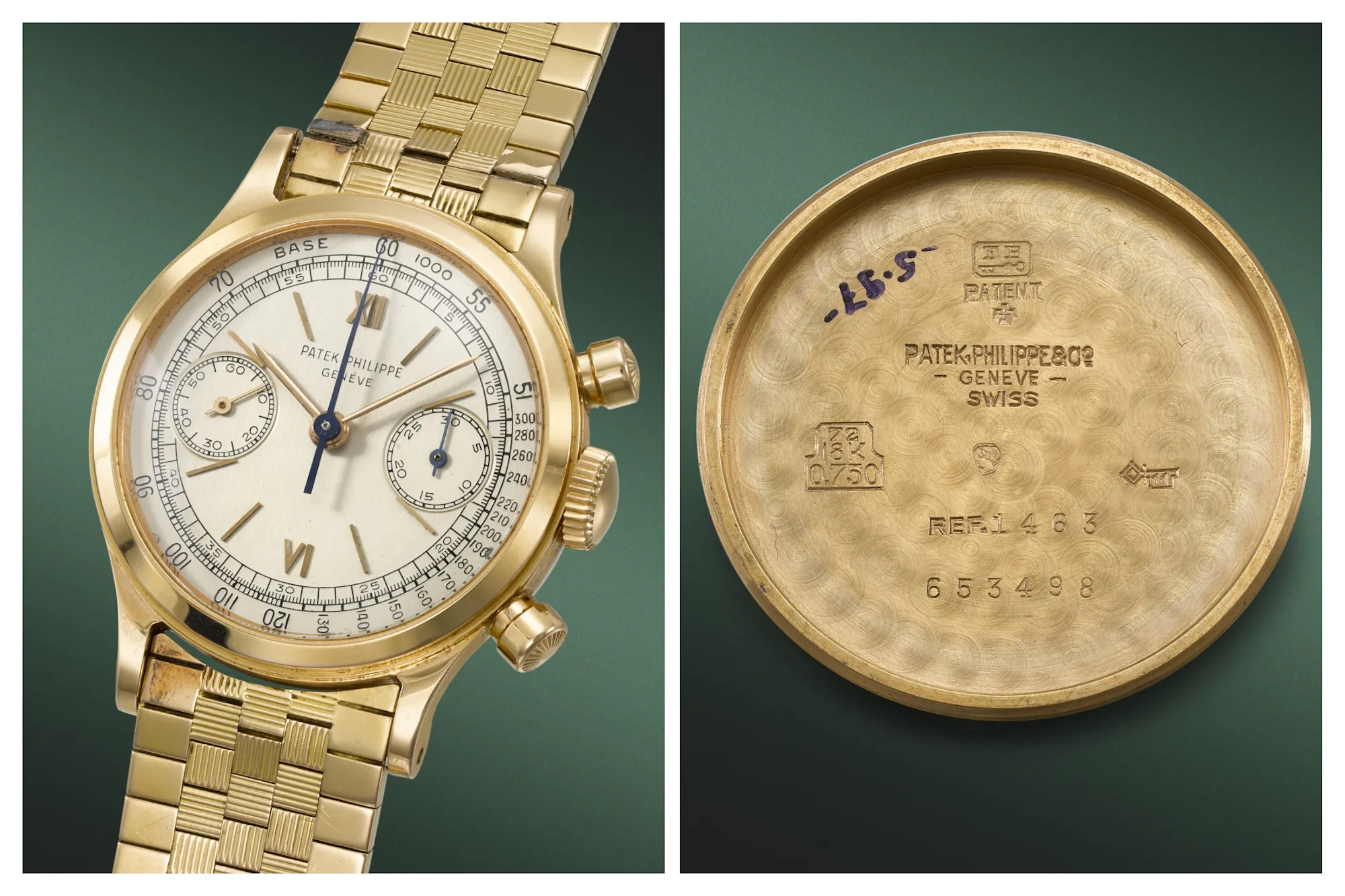
Francois Borgel, one of the founding brothers of the Borgel manufacturer, was responsible for the invention of the screwdown waterproof case, patented in 1892. It therefore comes as no surprise that Frères Borgel, later acquired by Taubert & Fils, produced the cases for Patek’s very first waterproof chronograph wristwatch – Reference 1463, a.k.a. the ‘Tasti Tondi’.
Borgel made both the steel and gold cases for the Tasti Tondi, in addition to gold cases for the aesthetically similar 1563 – Patek’s first waterproof split-seconds chronograph.
In 1975, Patek Philippe purchased Atelier Réunis as its new in-house case manufacturer. Atelier Réunis went on to produce the remaining cases of the 2499/100 and then the succeeding reference, 3970, along with the cushion-shaped equivalent, Ref. 5020. Both of these were considered flagship perpetual calendar chronographs.
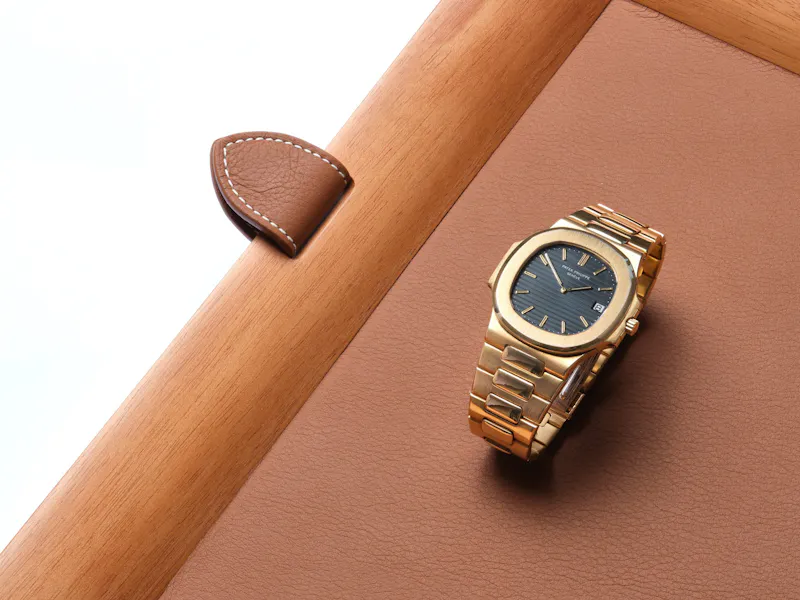
Additionally, second-generation cases for the Nautilus Ref. 3700, were also produced by Atelier Réunis after the company took over from Favre Perret [see Hammer 115]. The in-house case maker also went so far as to make the 3700’s integrated bracelets, taking over from Gay Frères (who had produced them for the first-generation Nautilus).
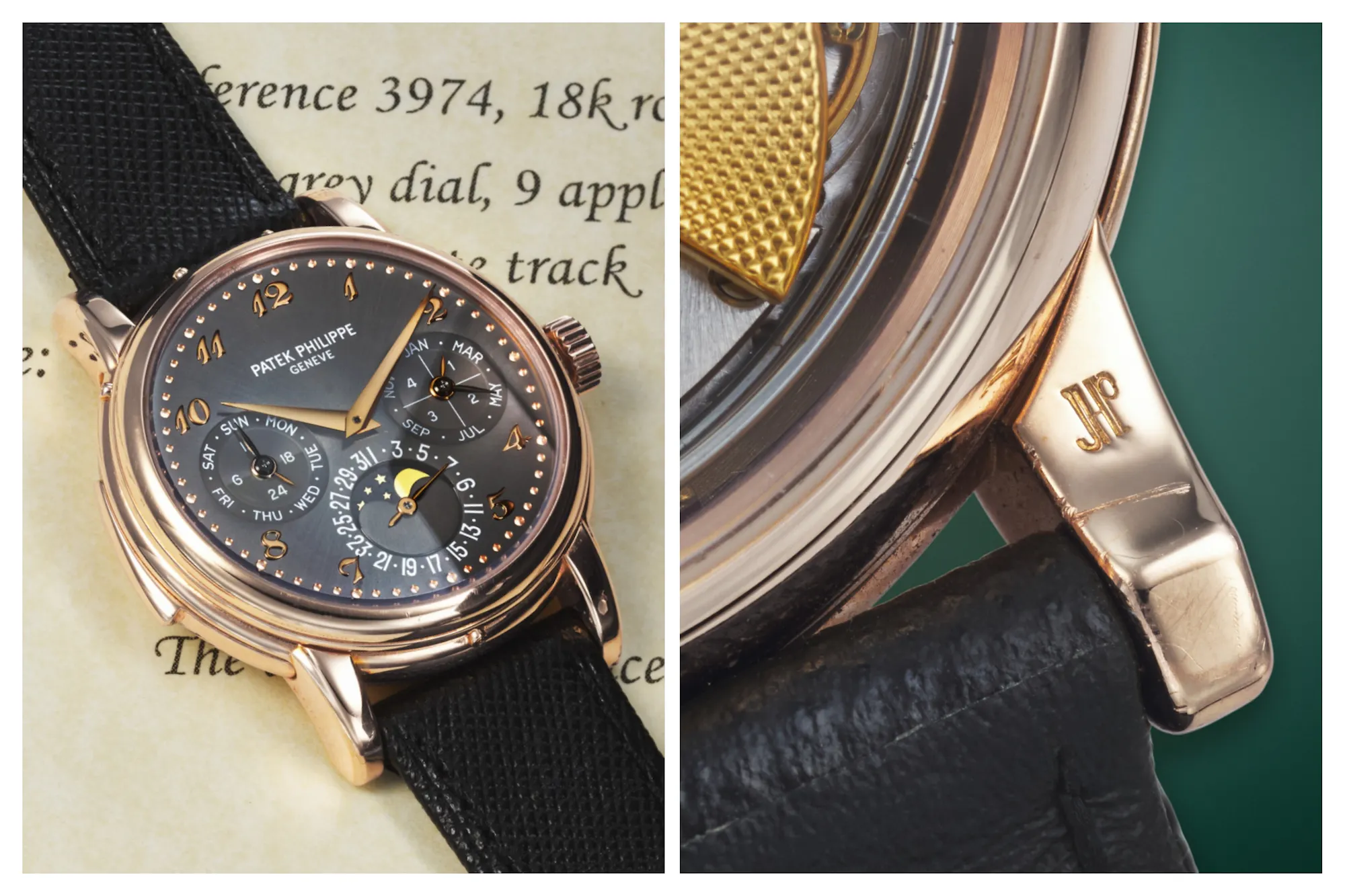
On top of this, Atelier Réunis was responsible for partial production of cases used in the making of the Ref. 3974 – a highly collectible and technically formidable watch which combined the minute repeater and perpetual calendar complications.
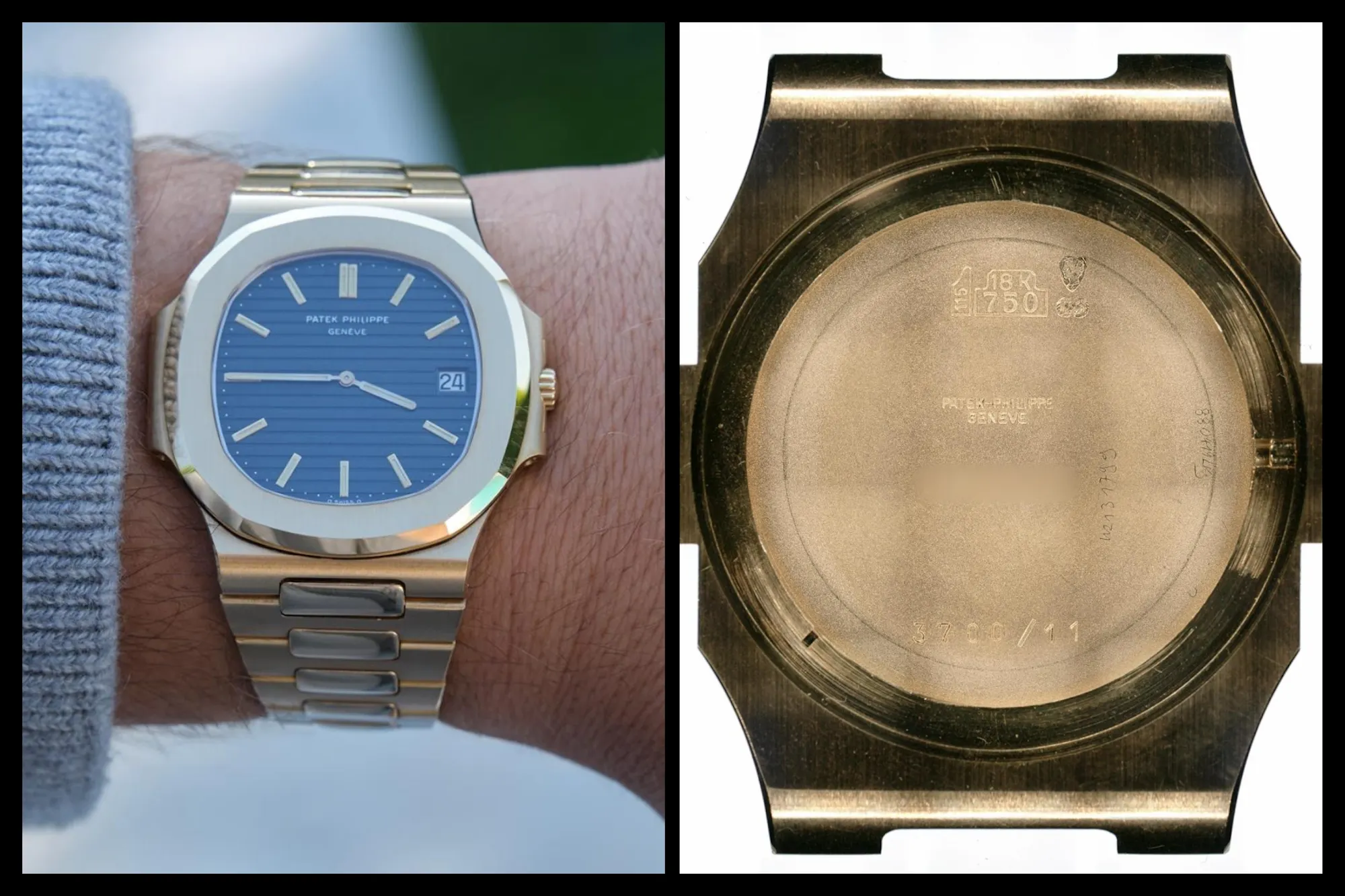
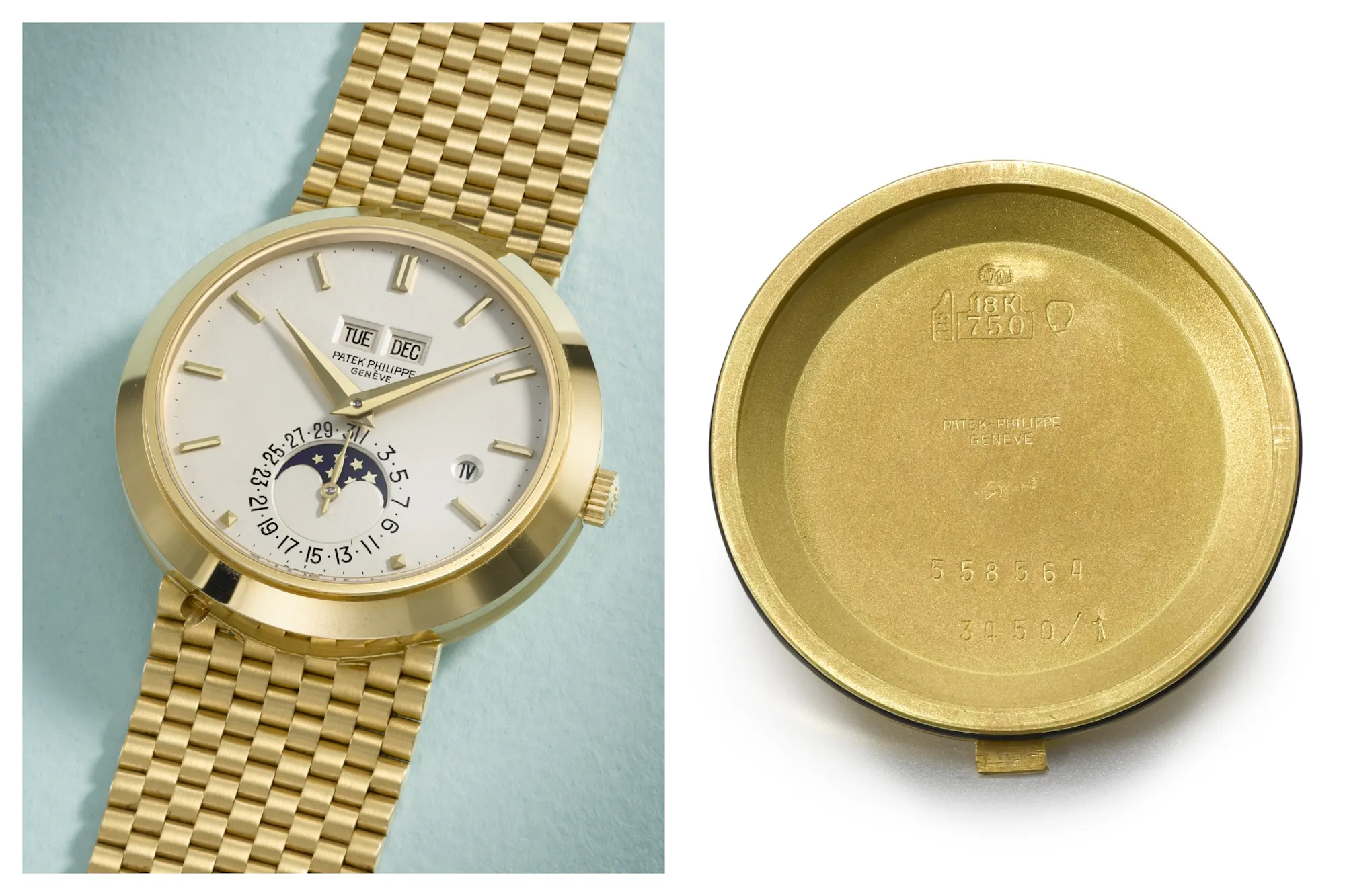
Favre Perret took over production of Patek Philippe’s automatic perpetual calendar wristwatch with the introduction of Ref. 3450, the first of its kind to feature a leap-year indicator. This continued through to 1985, when the 3450 was superseded by the now-renowned 3940. Perret produced cases for the 3940 (and 3941) as well, up until the early 2000s when a new case maker was introduced [see Hammer 357].
Most famously perhaps, Favre Perret was responsible for the early Nautilus cases, mainly the first generation reference 3700, but also the later and more compact reference 3800, which featured centre sweep seconds.
Guillod & Cie is most well known for producing cases for reference 5004, Patek’s first serially produced perpetual calendar split-seconds chronograph, which Thierry Stern has in past referred to as “the future 2499” – in matters of sheer collectability.
Calame & Cie is possibly the one example on this list enthusiasts may not have heard of. The company began supplying cases for the reference 3940 in the early 2000s, taking over from Favre Perret. They were therefore responsible for the cases of the covetable Saatchi editions of the 3940, released in 2015 for the Watch Art Grand Exhibition at London’s Saatchi Gallery.
In 2001, Patek acquired all of the shares of Calame & Cie, thereby formally acquiring the company. It has been based in Le Crêt-du-Locle since 2010.
Of all the case makers enlisted by Patek over the decades, Jean-Pierre Hagmann is by far the most intriguing, having worked for a variety of bracelet manufacturers (Ponti Gennari, Gay Frères, J.P. Ecoffey) before setting up his own case making workshop in 1984.
Hagmann went on to produce cases predominantly for use in Patek’s chiming watches, as opposed to chronograph or calendar references. His expertise lay in the execution of chime quality throughout the case, which he often felt to be superior in gold cases over platinum.
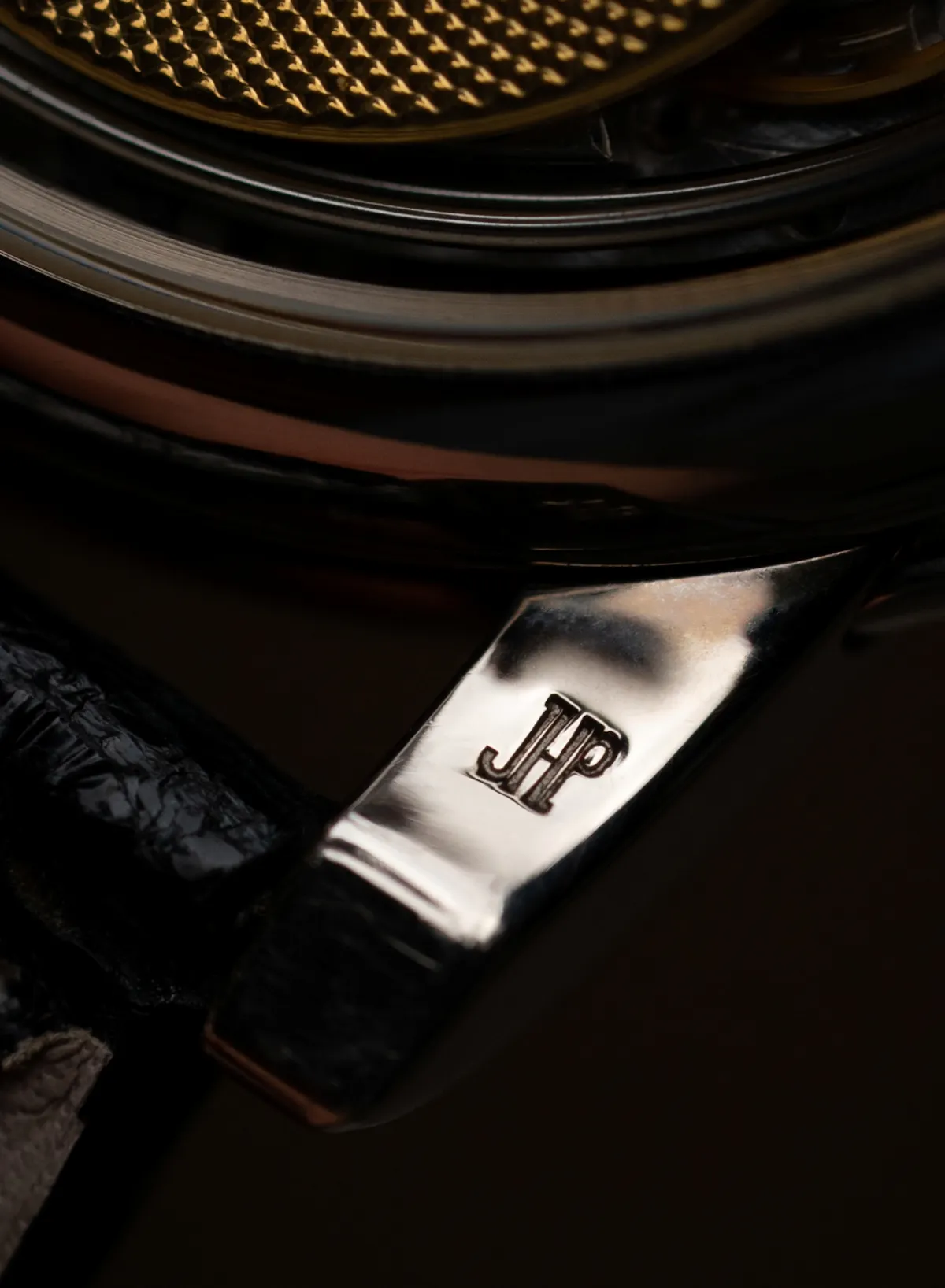
In recognition of the superlative sound that his metalwork enabled, Patek allowed Hagmann to apply his own personalised hallmark (‘JHP’, engraved in serif script) upon the lugs of cases he produced. Some of the highlights include the anniversary 3979, the first serially produced minute repeating wristwatch from Patek since the end of the vintage era, along with the beloved references 5016 and 3974.
[ Case Maker ] | [ Number ] | [ Hallmark/Poinçon ] | [ Location ] | [ References Cased ] |
|---|---|---|---|---|
Wenger | 1 | Key 1 | Geneva |
|
Baumgartner | 2 | Key 2 | Geneva |
|
Antoine Gerlach | 4 | Key 4 | Geneva |
|
George Croisier | 5 | Key 5 | Geneva |
|
François Markowski | 8 | Key 8 | Geneva |
|
Emile Vichet | 9 | Key 9 | Geneva |
|
Frères Borgel/Taubert & Fils | 11 |
| Geneva |
|
Atelier Réunis | 28 | Key 28 | Geneva |
|
Favre Perret | 115 |
| La Chaux-de-Fonds |
|
Guillod & Cie | 121 | Hammer 121 | La Chaux-de-Fonds | 5004 |
Calame & Cie SA | 357 | Hammer 357 | La Chaux-de-Fonds | 3940 |
Jean-Pierre Hagmann | N/A | JHP | Geneva |
|