[001][03.09.26]
Arguably, the purpose of a complication is to add useful functionality to a watch. Yet, one of the most revered and technically challenging complications does little more than telling the time. That begs the question: How come minute repeaters are held in such high regard?
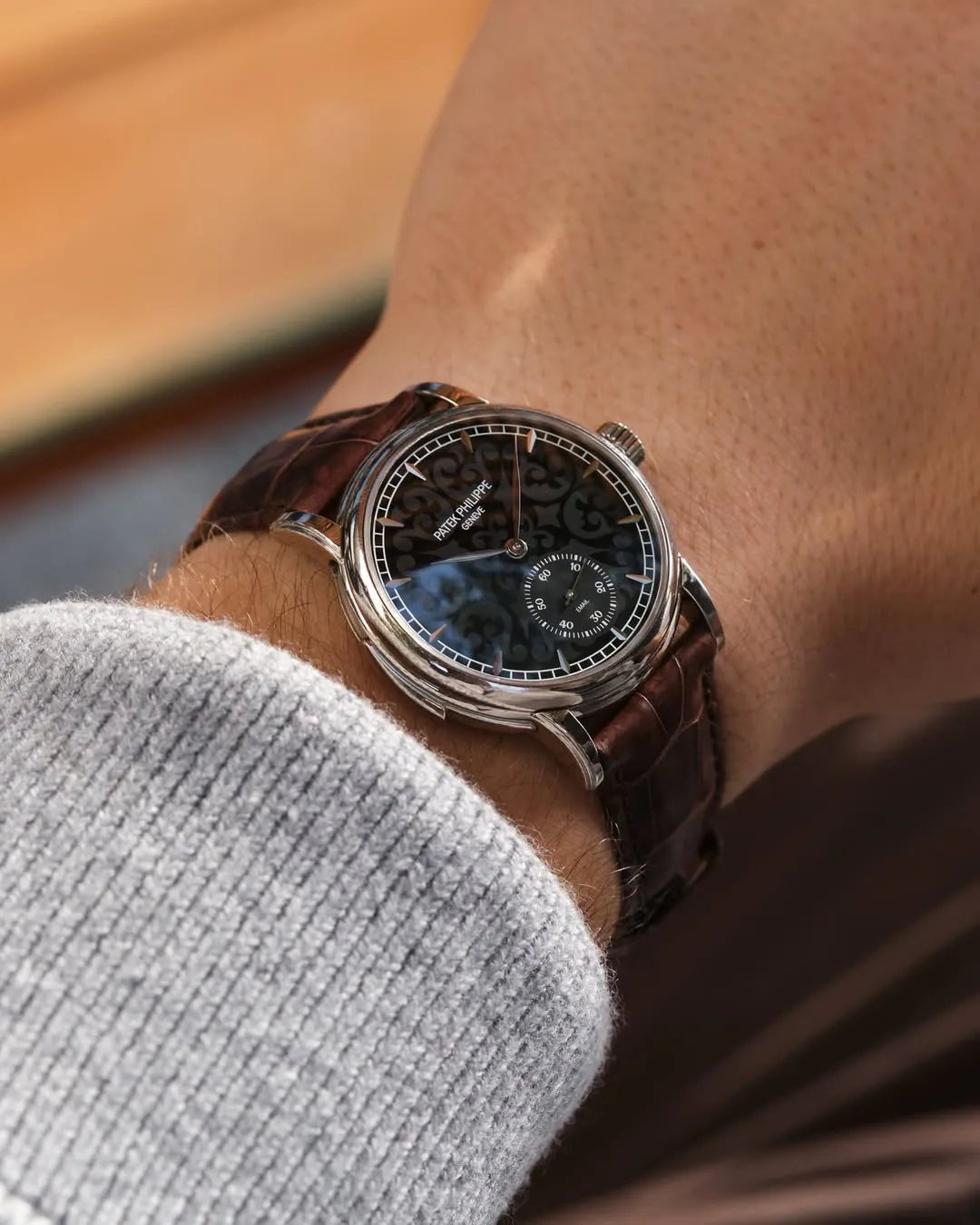
I personally believe it comes down to something less tangible than utility: emotion.
Some people make it a mission to live with the bare essentials. Not necessarily because they have to, but because they want to. And I’m not necessarily thinking of ascetics: take Japanese minimalists, for example, and their relentless commitment to removing the unnecessary from their lives, to the point of owning a few white t-shirts, two pairs of black trousers (at most), and just a handful of kitchen utensils. Allegedly, such a lifestyle sweeps away decision fatigue, frees up space in creative minds and all in all makes life easier (possibly). And if you ask me, I see the point — I really do. At the same time, however, I could never.
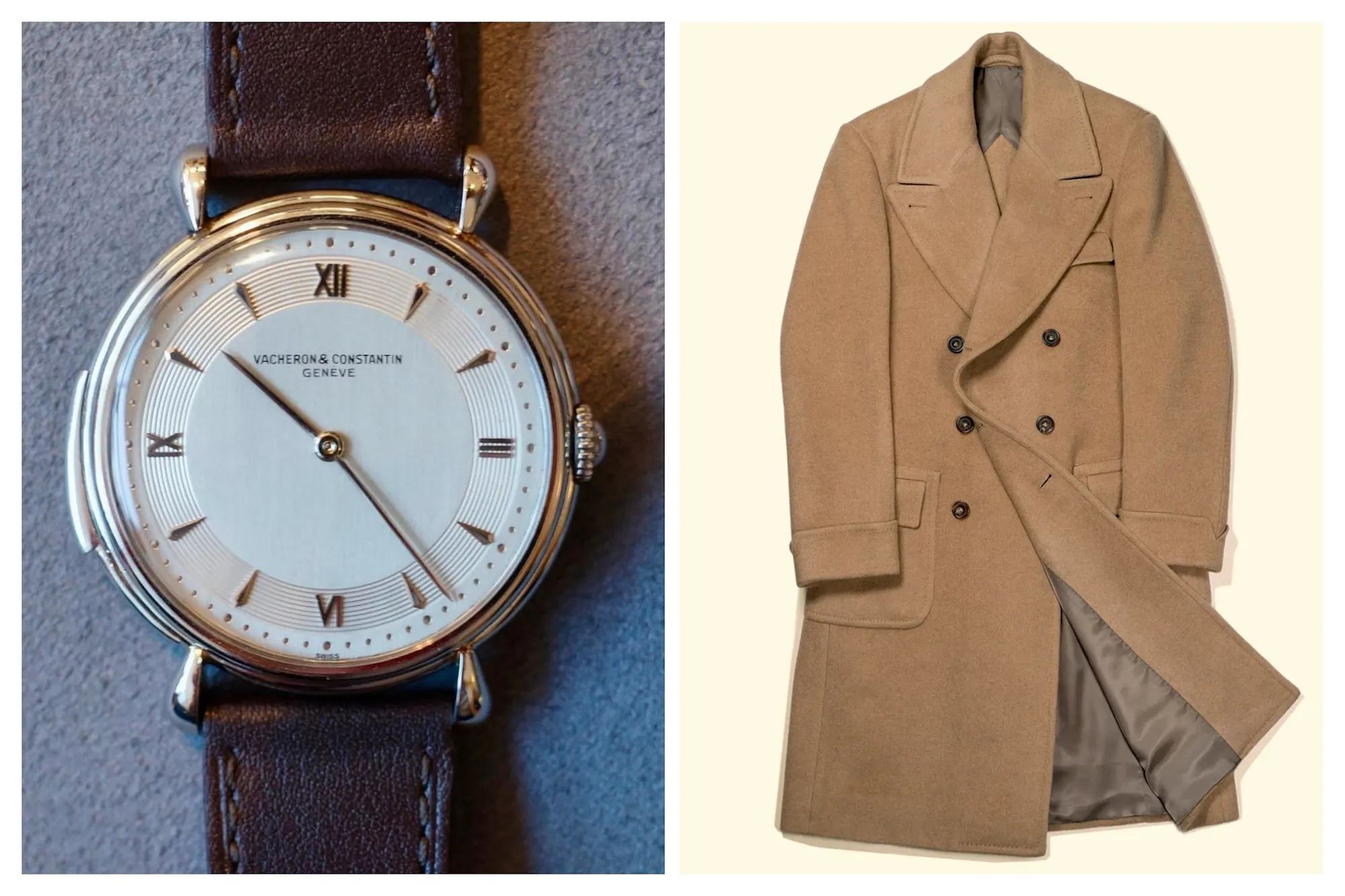
While I am fully aware that we as modern people do have a lot (some would certainly say too much), I also believe that a little extra ‘sauce’ is what makes our time on this planet truly enjoyable. Sure, I could go all winter with one single coat. But I might feel more casual one day, and slip into my M65. If I’m feeling fancy? I’ll don a camel polo coat. Superfluous? Maybe. Pointless? Absolutely not. There’s just one rule of thumb I try to live by: it’s only ‘too much’ when it feels too much, if that makes sense. It should never be about showing off: personal fulfillment is the ultimate goal.
But what does this have to do with watches, I hear you ask? To be honest, I believe this reasoning applies to timekeepers in many different ways— with the act of collecting itself being the first, most obvious case study — but let’s try and make this about complications. Complications, per se, are not necessarily superfluous: chronographs, perpetual calendars or world timers have an obvious role to play which vastly improves a watch’s existing utility. But what about minute repeaters?
Sure, some might argue that the invention of the complication — generally credited to British watchmaker Daniel Quare — dates back to a time when dim candlelight and the absence of public lampposts made it challenging to read the time after dusk. But by the time this complication had effectively been integrated into wristwatches, it was already too late for minute repeaters to add any practicality to a watch, or to make any tangible difference.
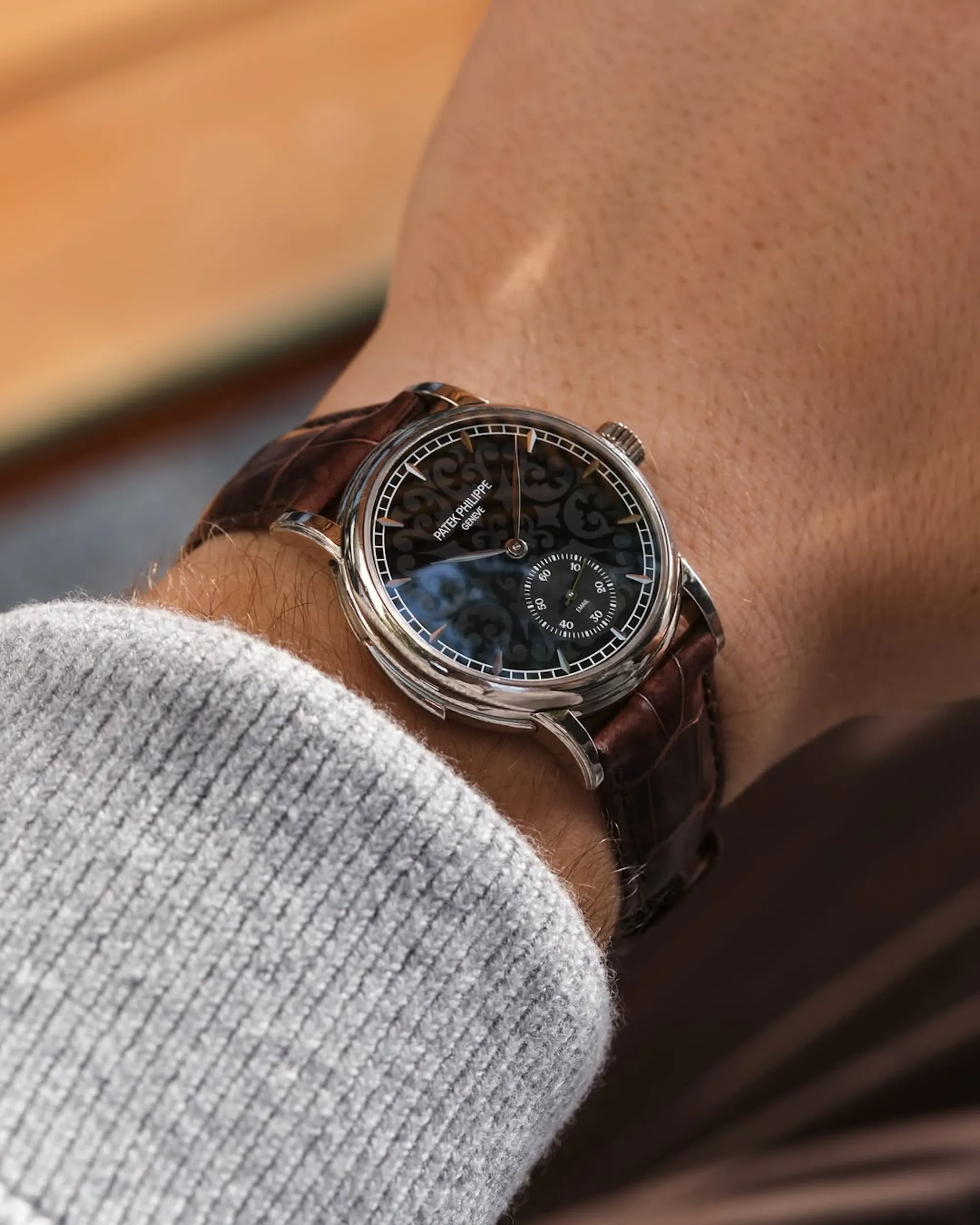
I was well aware of this the first time I handled one (a Patek pocket watch, in case that matters), and yet as soon as I pushed the slider upwards, feeling the subtle friction of the spring as it loaded, and the same energy being released in an unexpected symphony of crystalline strikes, I was forever sold on the superfluous allure of the complication.
Watches have always commanded my reverence for complexity— tiny gears, springs and levers operating in perfect harmony to deliver a precise motion. But this time, it was very different: as the chime filled the room and faded in a vivid echo, I was left wondering. There was a mechanical side to it: how can the movement translate a specific position of the hands into a sequence of high and low pitched strikes? And then, most importantly, there was the musical side: how could the sound of metal on metal — better, of the tiniest metal hammer on a thick metal case packed with countless other components — be so vivid, powerful, and melodic?
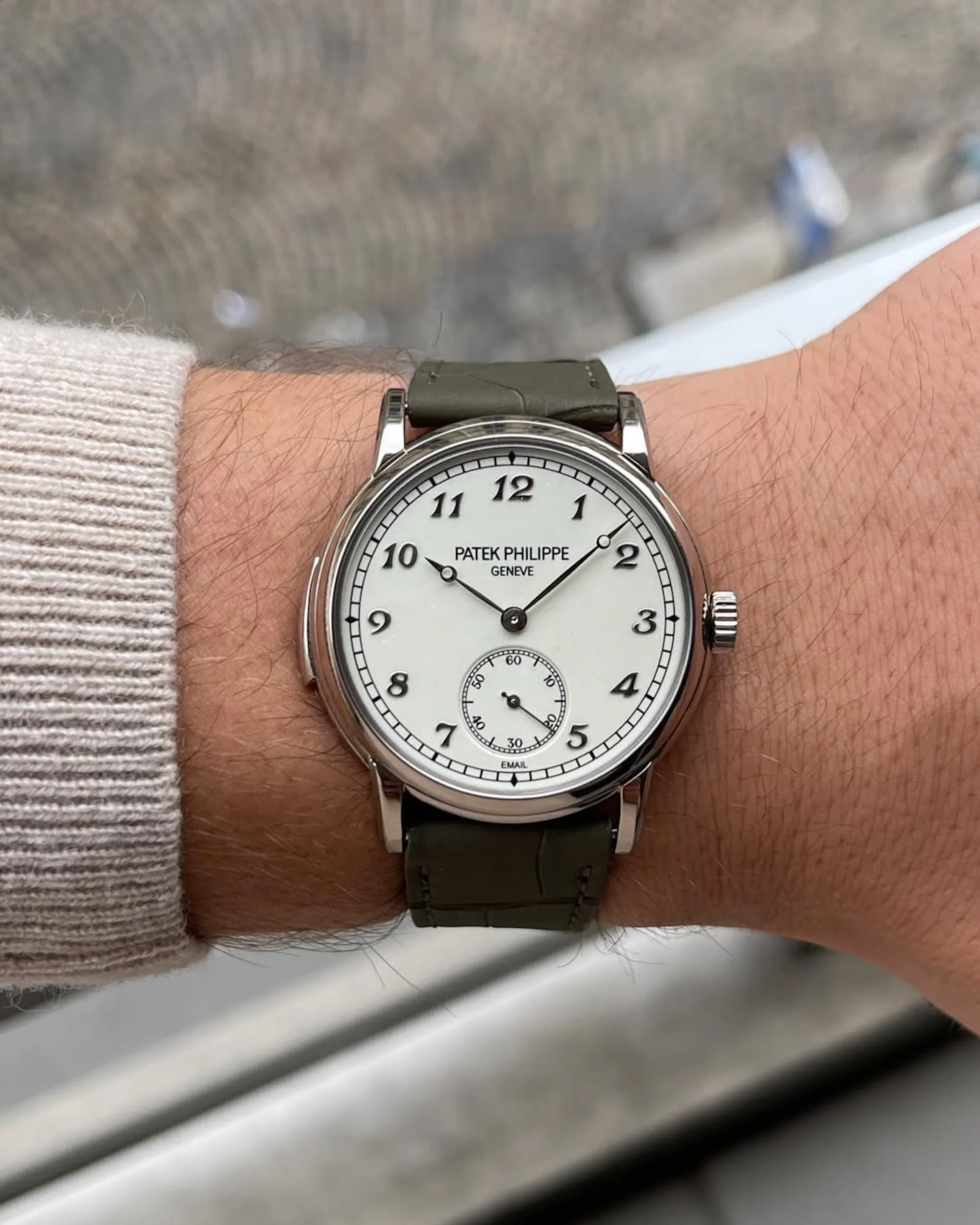
The solution to the first question can be found quite easily, assuming of course you’re willing to get all technical about it; but the answer to the second involves the sort of knowledge that’s only acquired through decades of practice and experience. It is an answer only a few chosen casemakers can give, or better put into practice as their files and chisels painstakingly refine the precious metal of a case.
There’s a video on YouTube of Thierry Stern assessing a reference 5216 in his office: infamously he tests every single minute repeater before it leaves the manufacture, personally signing its papers. Throughout his career, he must have listened to hundreds, if not thousands, of chiming watches. And yet, as the repeater chimes the final minutes of 12:58, the purest smile lights up his face. To me, that smile is the easiest way to tell no other complication beats the magic of a minute repeater.